"Revenge tax" being yanked from "big, beautiful bill," Bessent says

Add Axios as your preferred source to
see more of our stories on Google.
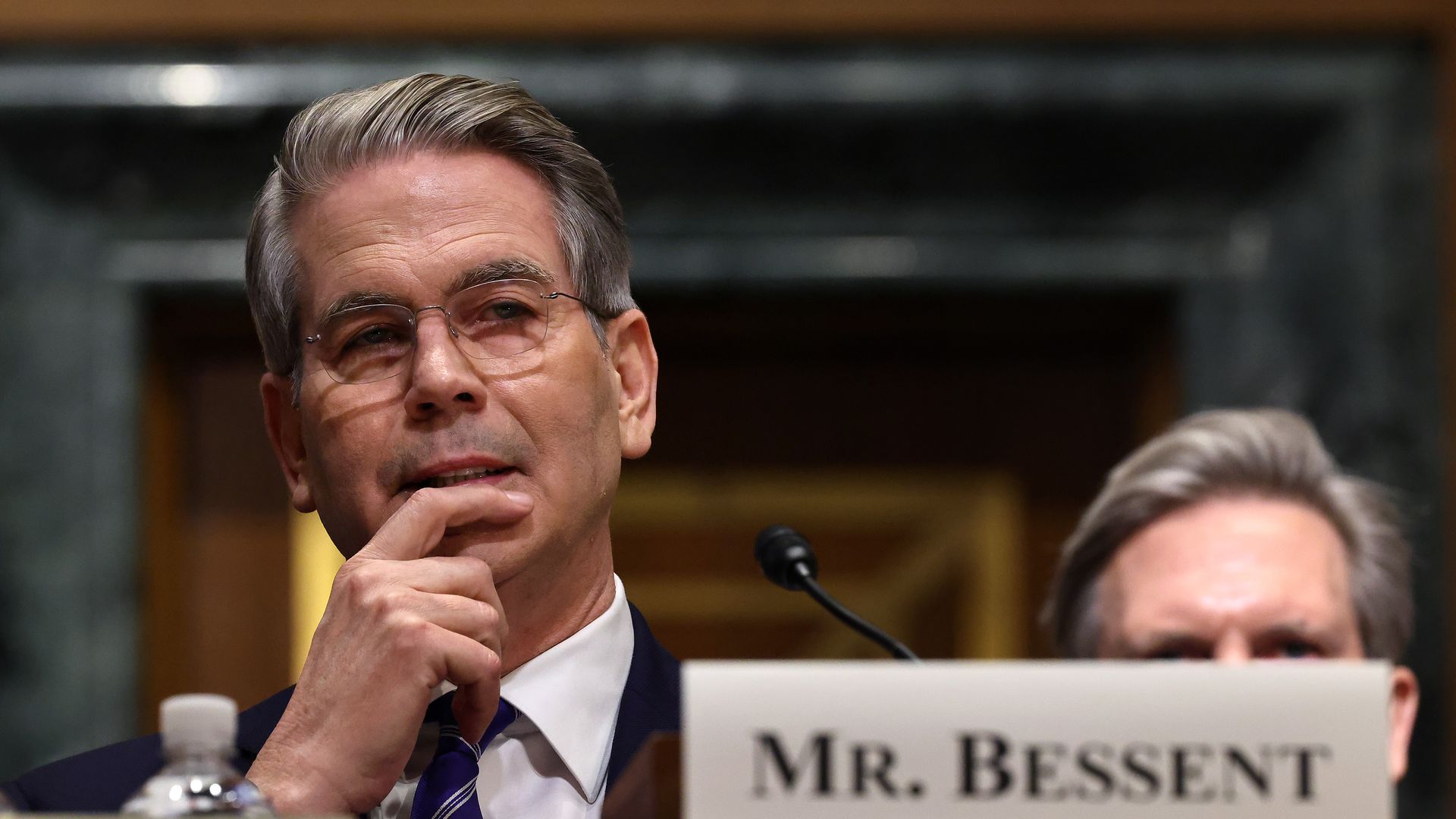
Treasury Secretary Scott Bessent. Photo: Chip Somodevilla/Getty Images
Treasury Secretary Scott Bessent has asked Congress to remove a controversial "revenge tax" provision of the "big, beautiful bill" after striking a deal on global corporate taxes, he said said Thursday.
Why it matters: The provision worried global investors, as it gives the president the authority to tax foreign holdings of U.S. investments. Some worried it would slow the flow of foreign capital into the U.S.
- Now, the provision also known as Section 899 appears likely to be stricken from the One Big Beautiful Bill Act, which has passed the House and is pending before the Senate.
Driving the news: After months of dialogue, "we will announce a joint understanding among G7 countries that defends American interests," Bessent posted on X Thursday afternoon.
- A Biden-era deal for minimum global taxes on corporations "will not apply to U.S. companies," Bessent wrote.
- "Based on this progress and understanding, I have asked the Senate and House to remove the Section 899 protective measure from consideration" in the sweeping tax legislation.
- "This understanding with our G7 partners provides greater certainty and stability for the global economy and will enhance growth and investment in the United States and beyond," he wrote.
Catch up quick: The provision gave the president the authority to tax foreign holdings of U.S. investments, in retaliation for what the Trump administration saw as unfair overseas taxation of U.S. companies agreed to by the Biden administration.
- It would have given the president a new unilateral taxing power for use to use in international negotiations, not unlike his control over tariff policy.
- But its potential use stoked fears in the investment community that just its existence, if enacted, would create big disincentives for investment in the U.S.
- Bond investors in particular may cheer the change, as the provision was seen as another headwind to foreign ownership of U.S. bonds. Foreign debt holdings were already under pressure thanks to policy uncertainty and deficit concerns.
The bottom line: As the tax legislation enters the home stretch for passage, it appears that a provision that was making Wall Street sweat will not end up in the law.
Madison Mills contributed.
Editor's note: This story has been updated with new information throughout.
