Venture capital firm seeks to offset some Trump research cuts

Add Axios as your preferred source to
see more of our stories on Google.
Many venture capitalists are alarmed by the Trump administration's cuts to academic research, at Harvard and beyond, given that such funding has helped forge such foundational technologies as the internet and gene editing.
- Lux Capital wants to help fill the void.
Driving the news: Lux, whose portfolio includes Anduril and Databricks, last month carved $100 million out of existing funds to back stranded scientists.
- It refers to the effort as a "helpline" for researchers at a crossroads, including those who haven't viewed themselves as entrepreneurs or who feel their work is too early for commercialization.
- In some cases this could mean forming and funding a de novo startup.
- In others, it could mean having an existing Lux portfolio company sponsor, license, or acquire ongoing research.
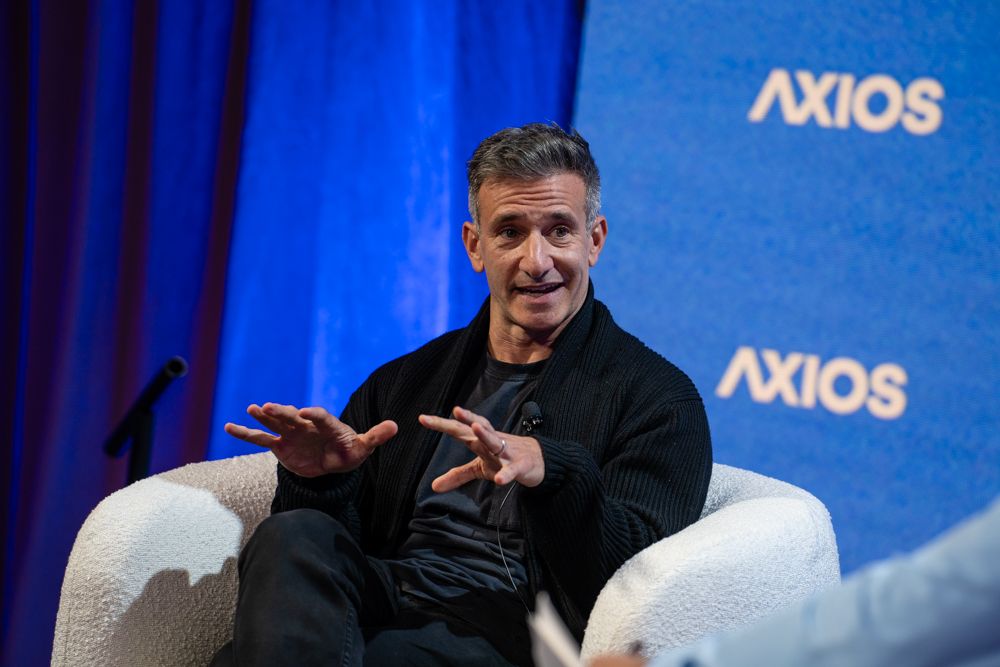
What they're saying: "You look at so many of our publicly traded companies that come from academically-derived science, from Genentech ... to Google," explained Lux co-founder Josh Wolfe, during an on-stage conversation in New York City at the Axios AI+ Summit. "It's absolutely critical — probably 10 or 15% of our portfolio are things totally derived from university research."
- "The sort of sledgehammer approach as opposed to a surgical approval is hurting American science ... [and] national security," he adds.
Behind the scenes: Lux's endeavor began when its partners began getting inundated with calls for advice from friends and peers. Eventually, a decision was made to take it national.
Look ahead: The big question now is if other VC firms will do something similar, either in partnership with Lux or on their own.
- Particularly the small cohort of investors who have cheered the cuts on social media, saying private industry can make up the difference. At the very least, they could put their money where their mouths are.
The bottom line: Time is of the essence. A lot of research, particularly in medicines for such conditions as cancer and Alzheimer's, is very difficult to restart once stopped.
