Cybersecurity's trillion-dollar chase

Add Axios as your preferred source to
see more of our stories on Google.
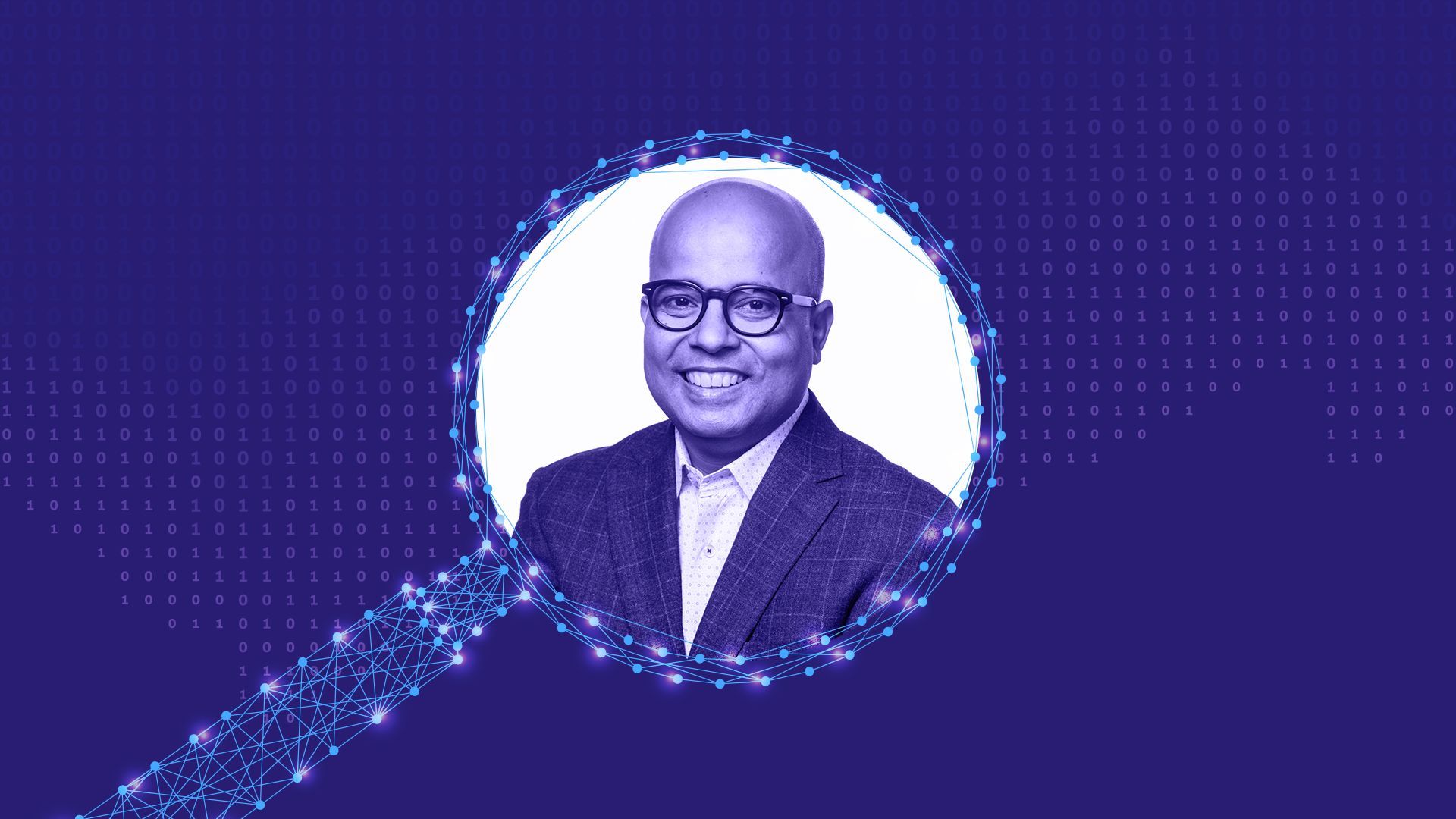
The first trillion-dollar cybersecurity company will be here in the next five years, Rubrik CEO Bipul Sinha told me last week at his company's HQ in Palo Alto.
- I sat down with Sinha for a new monthly-ish series we're starting in Future of Cybersecurity where I dive into a security prediction for the cyber world — and what it would take to get there.
Why it matters: If Sinha is right, cybersecurity could be one of the few economic areas that will see high growth in the next half decade — alongside artificial intelligence.
The big picture: No cybersecurity company has ever achieved a trillion-dollar market cap, but several publicly traded companies are well on their way.
- Palo Alto Networks sits at around $113 billion, as of close of market yesterday. CrowdStrike has an estimated $87 billion market cap, and Fortinet is worth $74 billion.
- A trillion-dollar cybersecurity company "sounds unbelievable right now, but I remember 10 years ago, if somebody told me that there will be a $100 billion cyber company, I would say it's impossible," Sinha told me.
Driving the news: Google's $32 billion, all-cash purchase of cloud security company Wiz adds more fuel to the fire, Sinha said.
Reality check: Sinha has plenty of incentive to want a $1 trillion cyber player. He's running one of the few cyber companies that's gone public in the last year.
- It's now valued at around $12 billion.
- And before that, he was a venture capitalist at Lightspeed and Blumberg Capital, where he was a founding board member at Nutanix and Hootsuite.
Between the lines: Geopolitical tensions and growing defense tech investments in cyber warfare are likely to have a trickle-down effect on the industry, Dave Zilberman, a general partner at Norwest Venture Partners, told Axios.
- "CrowdStrike will continue to get bigger, Palo Alto will continue to get bigger," he said. "There's enough revenue in the industry, [and] there's enough adversarial action to demand that kind of revenue."
What they're saying: "The trends are very clear. If you look at cloud: massive trend. AI: massive trend. AI-led productivity gains: massive trend," Sinha said.
- "But all of these massive trillion-dollar trends create massive risks, and businesses have to transform themselves … to be able to take advantage of AI opportunity."
Yes, but: None of this growth happens if the macro conditions aren't right, and the second Trump administration has proven more unpredictable than the business world had anticipated.
What's next: Mergers and acquisitions like Google's will play a huge role in the industry's growth.
- "The largest player is less than 10% of the market," Sinha said. "It is a highly fragmented market — the largest player will try to consolidate and acquire technology to grow."
