Trump claims control over historically independent agencies

Add Axios as your preferred source to
see more of our stories on Google.
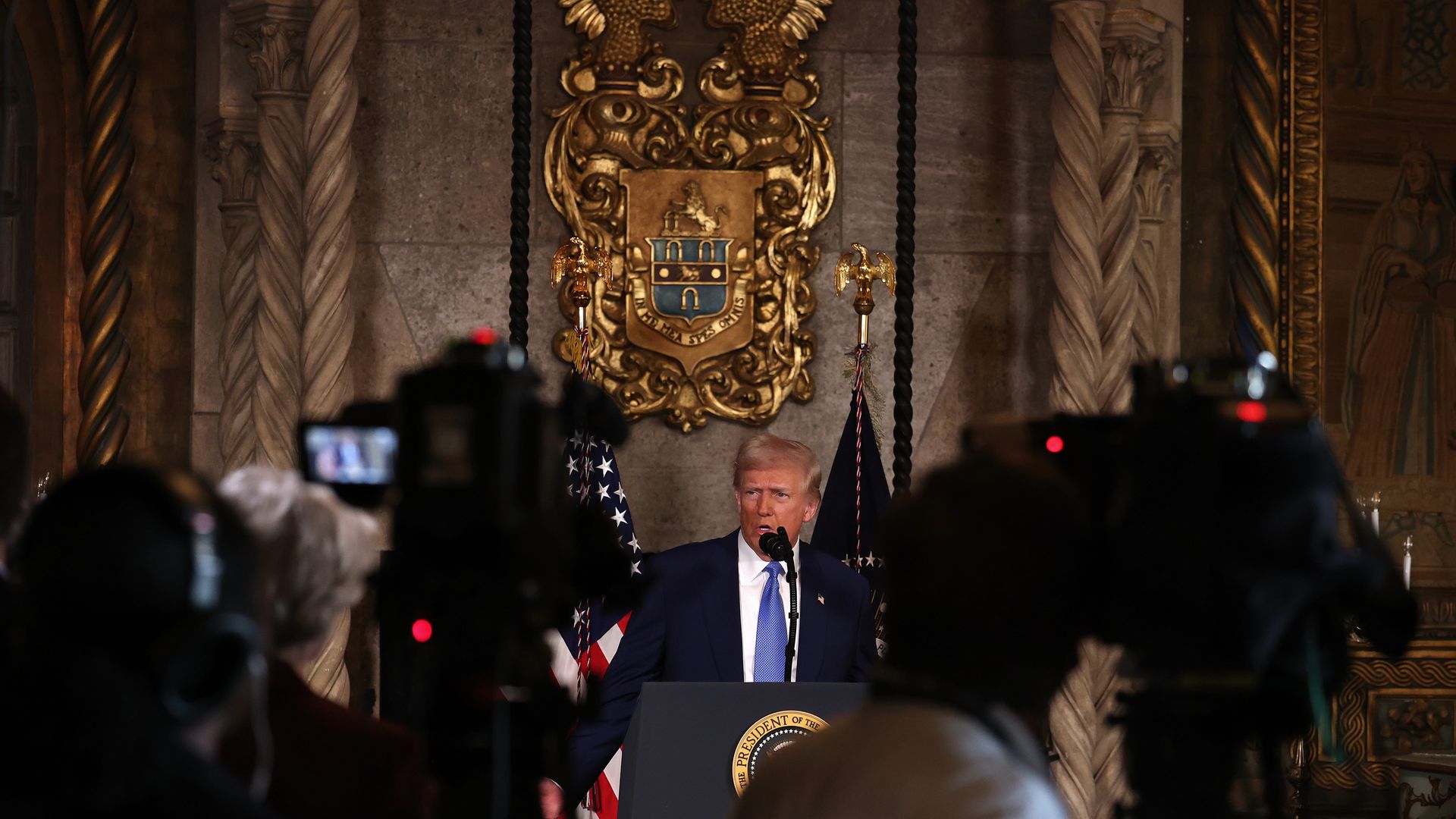
Photo: Joe Raedle/Getty Images
For more than a century, Congress has entrusted many policy areas to agencies that the president does not directly control. President Trump seeks to change that with an executive order Tuesday night.
Why it matters: The order claims direct presidential authority over the work of federal boards and commissions designed by Congress to operate without day-to-day oversight by the White House, with especially broad implications in the financial regulatory arena.
- The order, pending legal challenges, creates more White House control of agencies, including the FDIC, SEC and CFTC.
- It covers the Federal Reserve in its role as a regulator of the banking system but explicitly excludes the setting of monetary policy from this new presidential oversight.
State of play: Independent agencies are led by presidential appointees who share the president's philosophy. But once installed, they are generally left to lead as they see fit.
- They oversee the writing of regulations and the enforcement of rules while, in many cases, navigating the politics of multimember boards with appointees from both parties.
- The idea is that agencies act on the president's big-picture agenda, but day-to-day agency decisions — how to regulate bank capital levels, for example, or which securities fraud cases to bring — are insulated from politics.
Driving the news: Trump seeks to upend all of that. The order states that these agencies' ability to exercise independent authority "undermine such regulatory agencies' accountability to the American people and prevent a unified and coherent execution of Federal law."
- The order requires previously independent agencies to submit all proposed regulations to the White House's Office of Information and Regulatory Affairs first.
- It states that the director of the Office of Management and Budget will set performance standards and objectives for independent agency heads and adjust their budgets, including stopping them from spending money on particular activities.
What they're saying: "Congress and presidents of both parties have created regulatory agencies structurally independent of the president because the bipartisan consensus for generations has held that this was in our economic interest," Aaron Klein, a senior fellow at the Brookings Institution, tells Axios.
- "This executive order upends that multigenerational bipartisan consensus."
Between the lines: The order turns the OMB director into a kind of uber-regulator, with power over agency heads across the government, including those who historically operated with little White House meddling.
The intrigue: Trump's leaving the Fed's monetary policy decision outside the purview of the new order is a relief for believers in the importance of separating control of the money supply from politics.
- But it doesn't answer some tricky questions about where the new presidential authority over the Fed's regulatory apparatus ends and its continued independence on monetary policy begins.
- Some major Fed functions, including its control of the payments systems that route trillions of dollars between banks and its lender-of-last-resort function to protect against bank runs, are at the intersection of bank regulation and monetary policy.
