What's behind "lore," TikTok's Old English buzzword

Add Axios as your preferred source to
see more of our stories on Google.
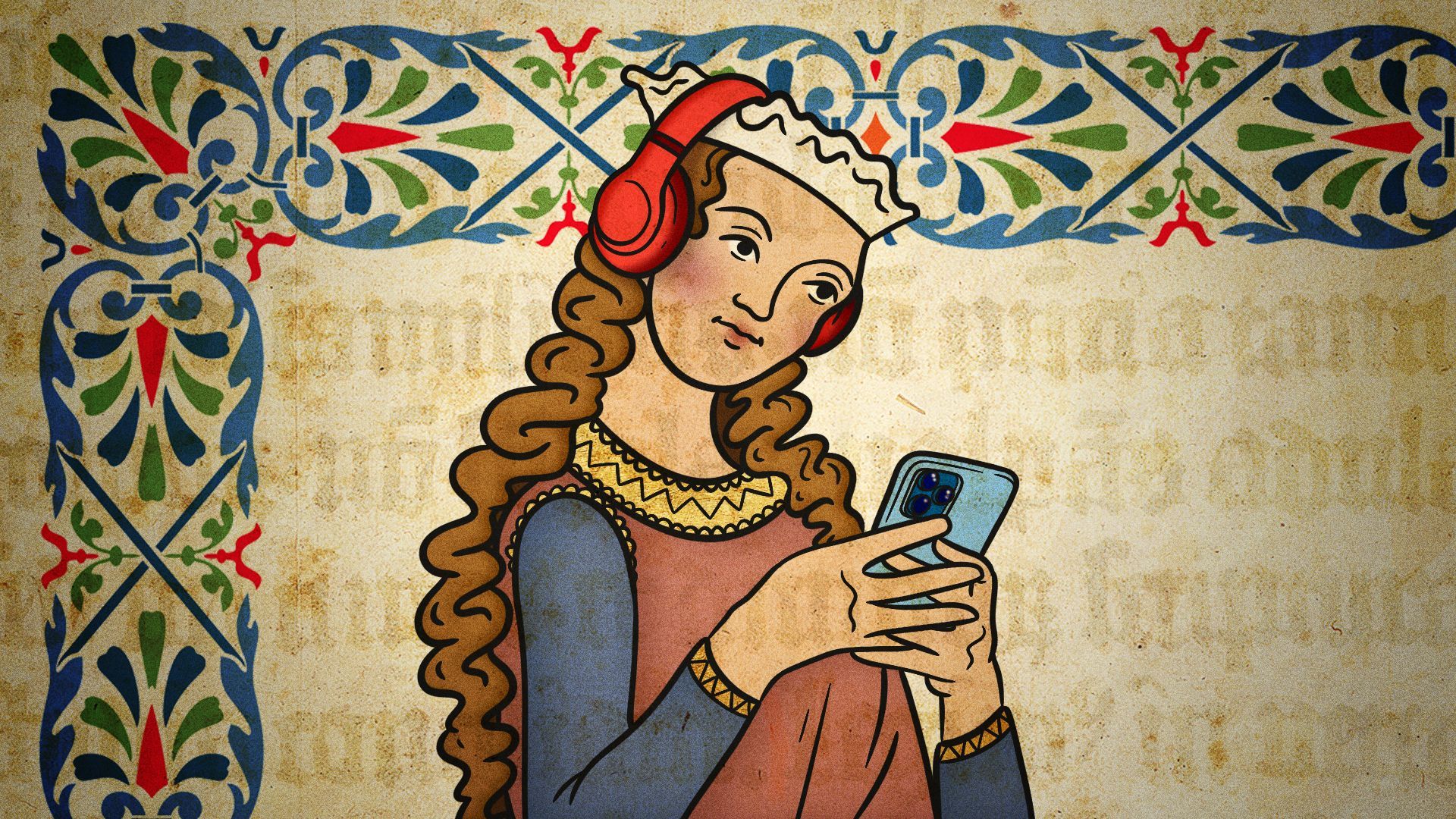
Illustration: Maura Losch/Axios
More people on social media are gracing their followers with "lore drops": stories with juicy, dramatic or even traumatic information.
The big picture: The Old English word "lore" was on the shortlist for Oxford University Press' 2024 word of the year. But it fell short to "brain rot," a condition that ails the perpetually online.
- Lore is the knowledge that allows a consumer to fully understand a franchise, like a book series or long-running video game. Fandoms often apply it when talking about celebrities and entertainment.
State of play: Creators leaned into TikTok's temporary doom last month with especially lore-filled videos, the Wall Street Journal reported on Tuesday. The app's signature "get ready with me videos" have been narrated lately with intriguing or intense stories as lore.
- "It makes your life sound like something that has these hidden facets that people would really want to know about," Dan Walden, a humanities professor at the University of Tulsa told the WSJ.
- "Instead of just saying, 'I had depression when I was 16,' it sounds more mystical to say, 'That's my lore.'"
Zoom in: Learning about an unheard-of ex from a friend's dating life? That's lore.
- A parent casually shares a monumental story from their childhood? Also, lore.
- A coworker, usually quiet about their personal life, reveals they have kids? Lore!
Context: Oxford defined lore as "a body of (supposed) facts, background information and anecdotes relating to someone or something, regarded as knowledge or required for full understanding or informed discussion of the subject in question."
- The oldest sense of the word revolves around teaching and being taught, going back about a thousand years, per Oxford.
Go deeper: Oxford University Press' word of the year: "brain rot"
