What Trump's tariffs mean for your wallet

Add Axios as your preferred source to
see more of our stories on Google.
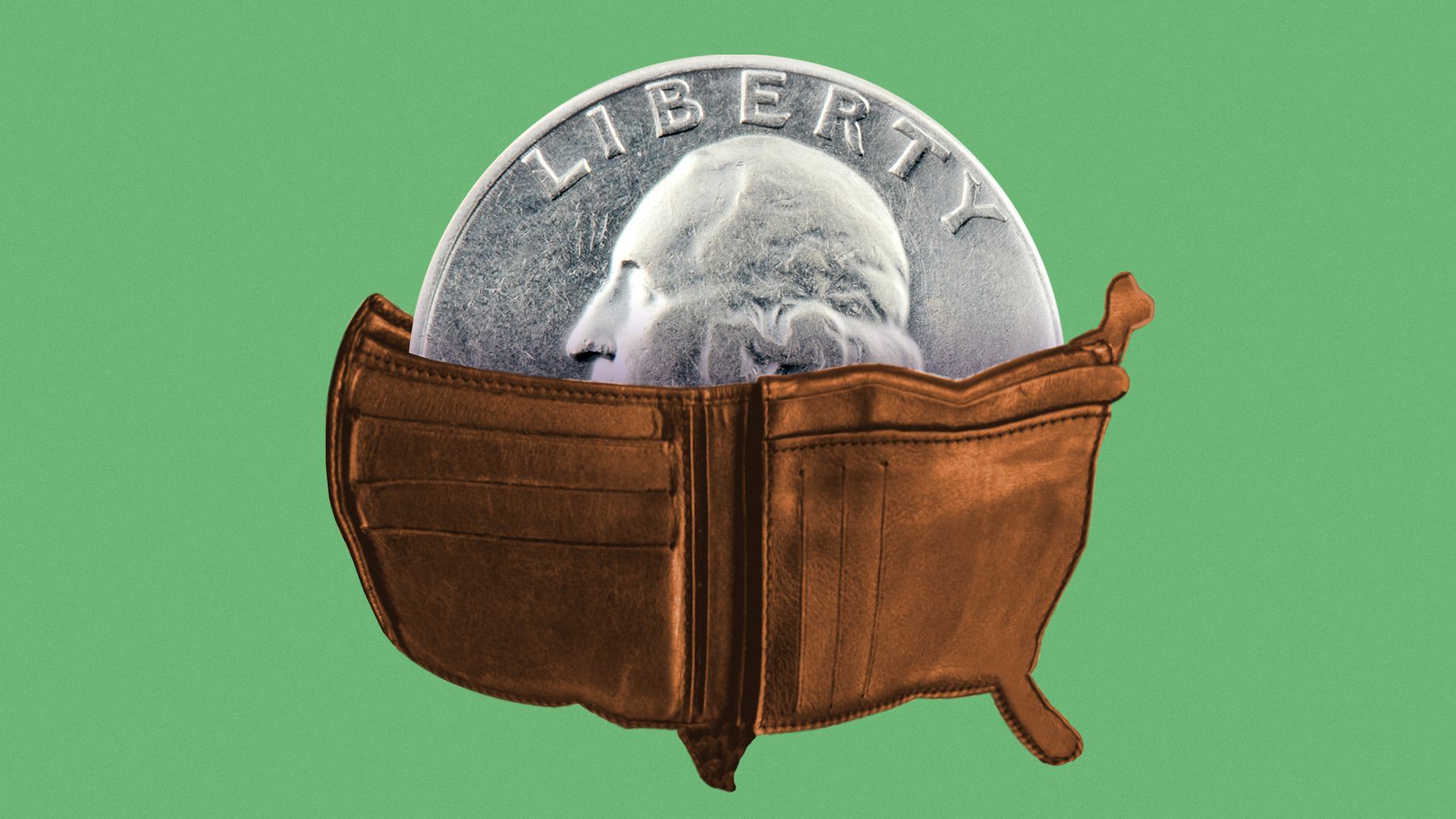
Illustration: Annelise Capossela/Axios
Economists almost universally agree that the tariffs imposed by President Trump will cost the average American household hundreds, if not thousands, of dollars every year in higher goods costs.
Why it matters: It's not yet clear those households can, or will, pay it.
The big picture: In a matter of days, we're all going to learn how much pricing power is left in U.S. supply chains — from the wholesalers, to the distributors, all the way through to retail.
- Whether the extra 25% levy on avocados at the Mexican border turns into a 25% hike on your Super Bowl guacamole will depend on a range of factors and business decisions.
State of play: At every step of the process, everyone who touches that avocado (or any other tariffed good) will ask themselves two questions:
- Can my profit margins absorb — or survive — any of this price increase?
- Will customers accept any of that price increase, or just stop buying?
The intrigue: Now ask those same questions at tens of thousands of businesses, thousands of times every day, selling everything from TVs to tires and avocados to amplifiers.
By the numbers: There are short-term and long-term costs at play.
- As Trump's tariffs first hit, the Tax Foundation estimates they will be an effective tax of more than $830 per U.S. household this year.
- Next year, the Tax Policy Center says, the full impact of the tariffs will reduce consumers' average after-tax income by 1%.
- In the long term, economies re-arrange themselves to account for the new order, and central banks react to the inflationary pressures. The Budget Lab at Yale University forecasts even after all that, the average U.S. household will still lose about $1,000 of purchasing power a year.
- Over the medium to long term, the Budget Lab estimated the biggest persistent price increases would be in natural gas (think heating and cooking), and the broad category of "computer, electronic and optical" (cell phones, among other things).
It may not take that long, either — as the well-known free trade expert Douglas Irwin posted on Sunday, his own home heating fuel provider immediately raised their prices to match the tariff, before it had even gone into effect.
The bottom line: "The big worry for markets is that President Trump may be willing to let the U.S. take considerable economic pain in an attempt to achieve his stated goals of reducing trade deficits, bringing jobs to the U.S., and enhancing border security," BMO Wealth Management chief investment officer Yung-Yu Ma wrote Monday.
Go deeper: Trade war begins, as Trump leaves the world guessing
