Biden posthumously pardons Marcus Garvey

Add Axios as your preferred source to
see more of our stories on Google.
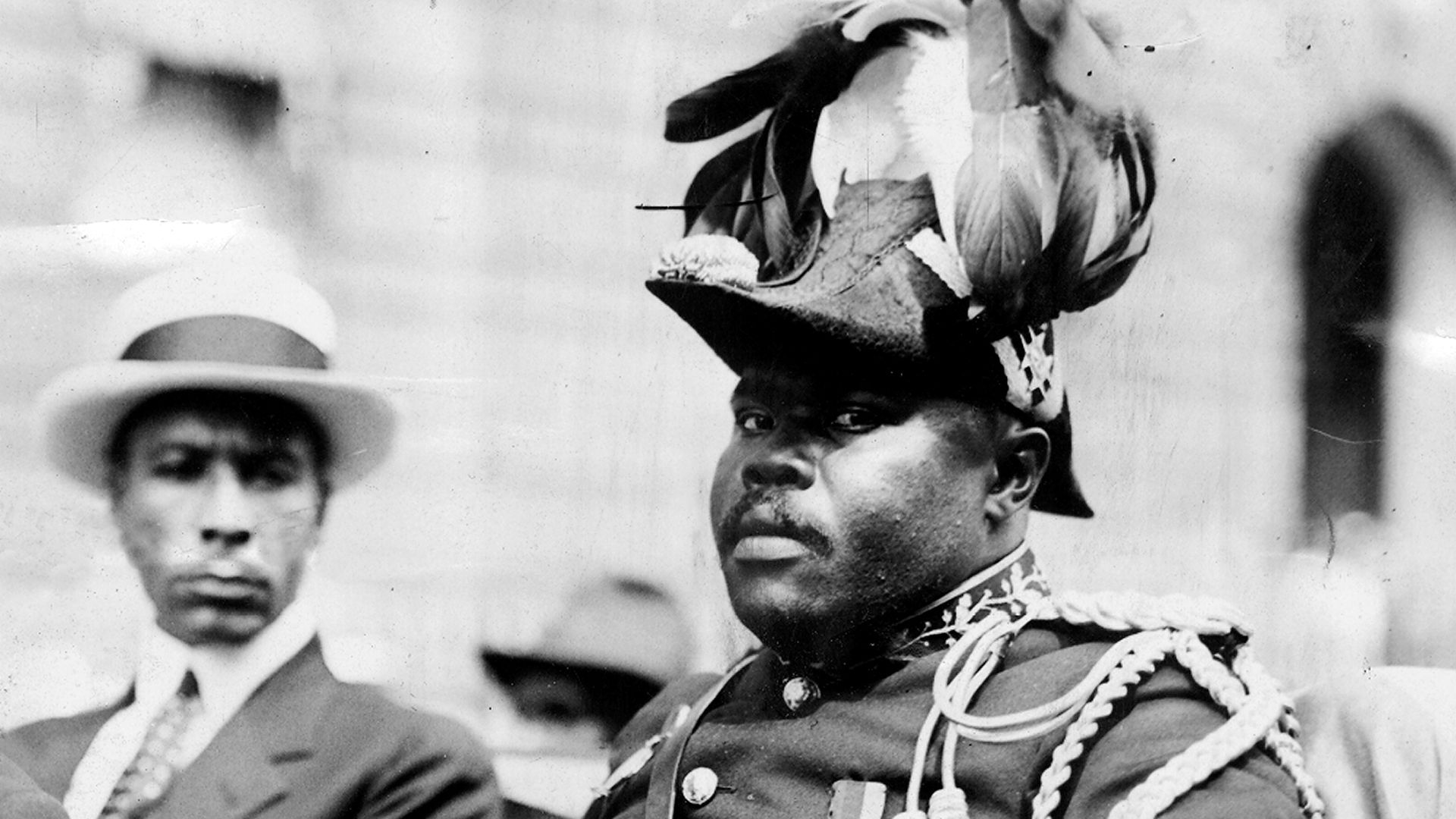
Marcus Garvey in military uniform during a Universal Negro Improvement Association (U.N.I.A.) parade in New York City, in 1922. Photo: Universal History Archive/Universal Images Group via Getty Images
As his presidency winds to a close, President Biden issued a posthumous pardon for Marcus Garvey, a notable Black nationalist who inspired figures like Malcolm X, Nelson Mandela, and later generations of Black Panther Party activists.
Why it matters: The pardon—an action that has been presented to multiple administrations—comes more than a century after Jamaican-born Garvey was convicted of mail fraud on June 21, 1923.
- Garvey's case is one that supporters have long claimed was politically motivated and aimed at discrediting his growing popularity among Black Americans amid lynchings and racial violence.
- Garvey was among five people granted pardons on Sunday, a day before President Trump's inauguration.
What they're saying: Tony Pierce, a partner at Akin Gump who has worked pro bono with Marcus Garvey's family for years, told Axios he was ecstatic when he learned about the pardon.
- "The family has been advocating for this since the 1980s, and I first got involved during the Bush administration," he said. "To see it all come to fruition now is an incredible feeling."
- "A pardon or exoneration is the country saying it got something wrong. And in this case, it's saying it got something wrong in the 1920s. That's significant."
Calls for Garvey's pardon have persisted for decades, with historians, lawmakers, and activists citing his transformative impact on Black pride and economic self-determination.
Catch up quick: Last month, a group from the Congressional Black Caucus, led by Rep. Yvette Clarke (D-N.Y.), sent a letter urging Biden to pardon Garvey.
- Garvey's 91-year-old son, Dr. Julius Garvey, has also publicly urged Biden to grant the pardon, which he and others have sought since 1987.
- Advocates have said a pardon would correct a century-old injustice.
- "His name needs to be cleared," Dr. Garvey, a retired cardiothoracic and vascular surgeon, told Axios earlier this month.
Between the lines: Garvey's exoneration symbolizes a broader recognition of how systemic forces have historically been used to suppress Black leaders and movements. His story highlights the resilience of marginalized communities in the face of structural oppression.
The bottom line: Pierce said this moment is a vindication not only for the Garvey family but also for those who believe in justice and the importance of revisiting historical wrongs.
- "It's no coincidence that this comes as we prepare to celebrate Dr. Martin Luther King Jr.'s birthday," Pierce noted. "Dr. King once described Garvey as 'the first man of color in the history of the United States to lead and develop a mass movement.' This is more than a legal victory—it recognizes Garvey's monumental contribution to civil rights."
Go deeper: Biden sets presidential record on pardons and clemency
Editor's note: This story has been updated with comments from Tony Pierce.
