Axios Event: Improving public trust is key focus for health care industry, leaders say

Add Axios as your preferred source to
see more of our stories on Google.
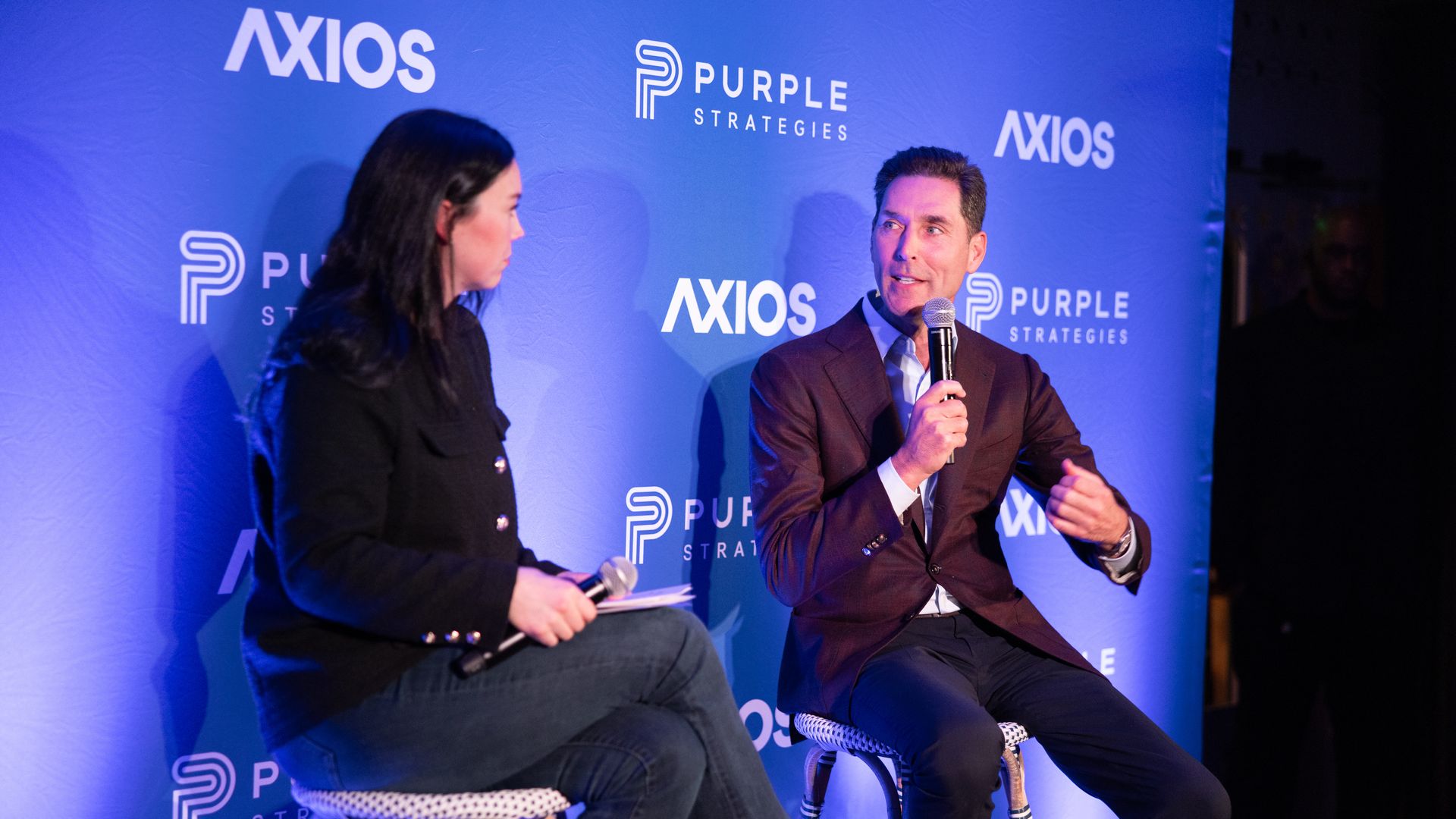
Axios' Eleanor Hawkins sitting on stage in conversation with PhRMA's Steve Ubl. Photo: Chris Constantine on behalf of Axios
SAN FRANCISCO – Improving trust and transparency is at the heart of health care industry efforts heading into the next four years of the new Trump administration, leaders said at an Axios event.
Why it matters: Public trust in the health care industry and scientific messaging has declined, and leaders are trying to rebuild it at a time when the media landscape is fragmented and the new administration is expected to bring changes.
Axios' Eleanor Hawkins and Erin Brodwin moderated conversations with Abridge founder and CEO Shiv Rao, Hims & Hers chief corporate affairs officer Khobi Brooklyn, and PhRMA president and CEO Steve Ubl at the Jan. 13 event. The event was sponsored by Purple Strategies.
What they're saying: "Trust is everything, it's the only currency," Rao said.
- Rao said many doctors and nurses are reluctant to work in health care now, which has become a "public health emergency."
- Abridge aims to help doctors better engage with their patients by documenting their discussions, Rao said, adding that technology can have a role in easing provider burden.
- "We get these bits of feedback that are positive on a daily basis from clinicians who are telling us that they're not going to retire anymore, they have more years in them now," Rao said.
Brooklyn said Hims & Hers was created to make health and wellness solutions more accessible, particularly for treatments for conditions that some may stigmatize.
- One area the company is thinking about moving into is menopause treatments.
- "I think there's been a theme with everybody that's come on this stage that's talked about trust. … There's a lot of work for us to do, both with the administration and with our customers to talk about what treatments look like, what can be impactful, what is safe, what people can expect and what the journey … looks like, starting from care and information all the way to something like hormone therapy," Brooklyn added.
Communication in a fragmented media landscape has changed now that audiences are getting information from a wide array of sources.
- PhRMA has been doing things differently, Ubl said, and "one is we listen a lot more."
- "We're also partnering with other credible voices, our voice is not enough. You don't get anything done in Washington without working in coalitions," he added.
What's next: Speakers expressed optimism about working with the incoming Trump administration.
- Brooklyn thinks that the new administration will be more open to new ways of thinking. "It's been encouraging to see that this administration is looking at health care and saying 'we can do better,',".
- "If you listen to President Trump, he's talked about a few things that really resonate with us," Ubl said, such as: strengthening the U.S. industry, improving efficiency in government, and developing new treatments for chronic diseases.
Sponsored content:
In a View From the Top sponsored segment, Purple Strategies managing partner and COO Kristen Morgante noted that informal communication is one way health care companies can improve public trust and reduce skepticism.
- "[P]eople don't want to be force-fed information. They want organic, curated information that they're finding themselves. Ideally, when you say trust the science, people don't believe that, it invites skepticism. And what we've discovered is informality lends itself to credibility," Morgante said.
- "You need the science that the industry is predicated on, you need it for discovery, you need it for getting through the FDA process, but you need to balance that with the way people are receiving information and the way you're communicating," she added.
