Kevin Merida on life after LA Times and new Kamala Harris book

Add Axios as your preferred source to
see more of our stories on Google.
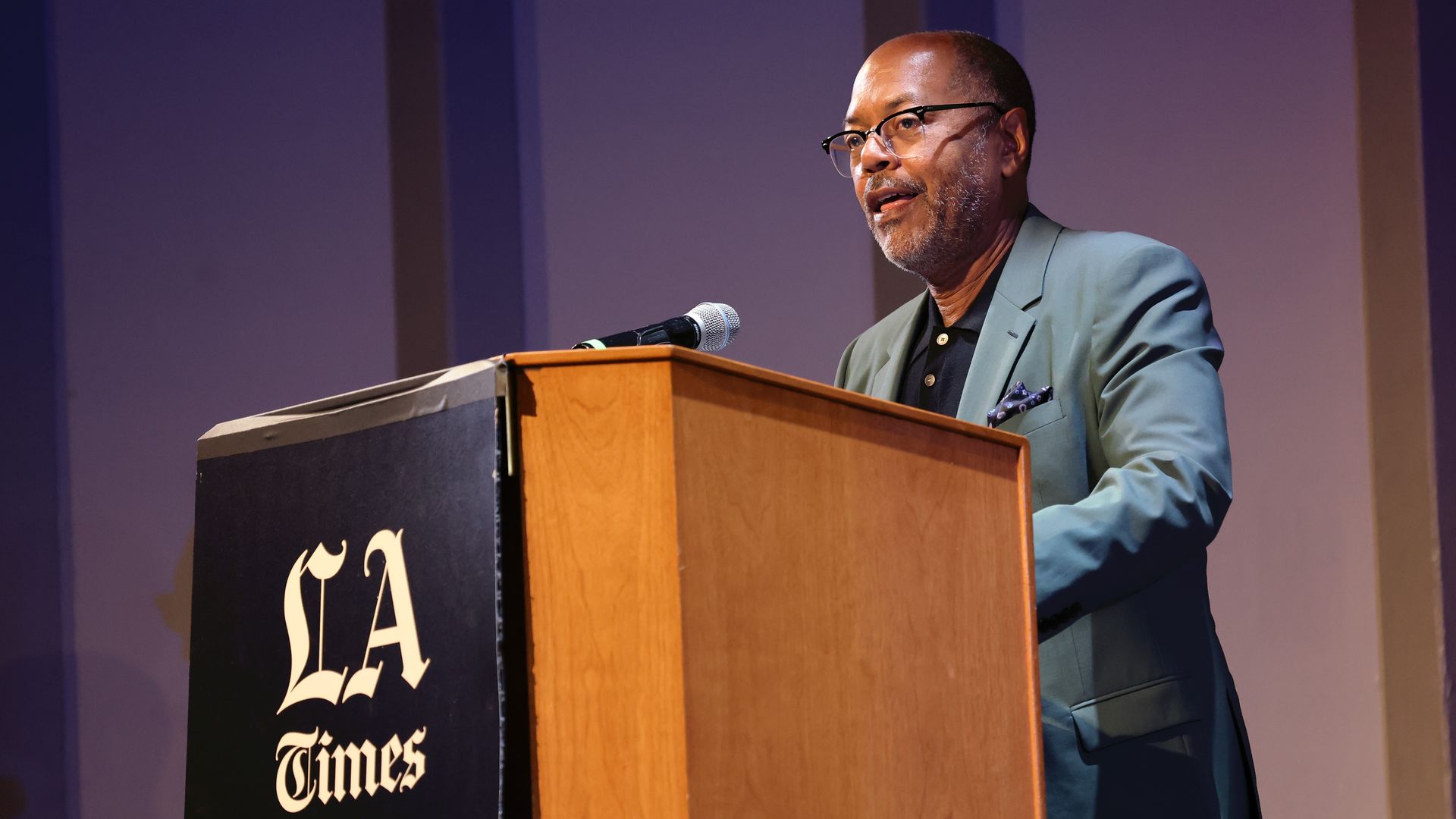
Kevin Merida speaks on stage at the Los Angeles Times Festival of Books at the University of Southern California on April 23, 2022. Photo: David Livingston/Getty Images
Nearly a year after stepping down as executive editor of the Los Angeles Times, veteran journalist Kevin Merida is navigating a new chapter in his storied career.
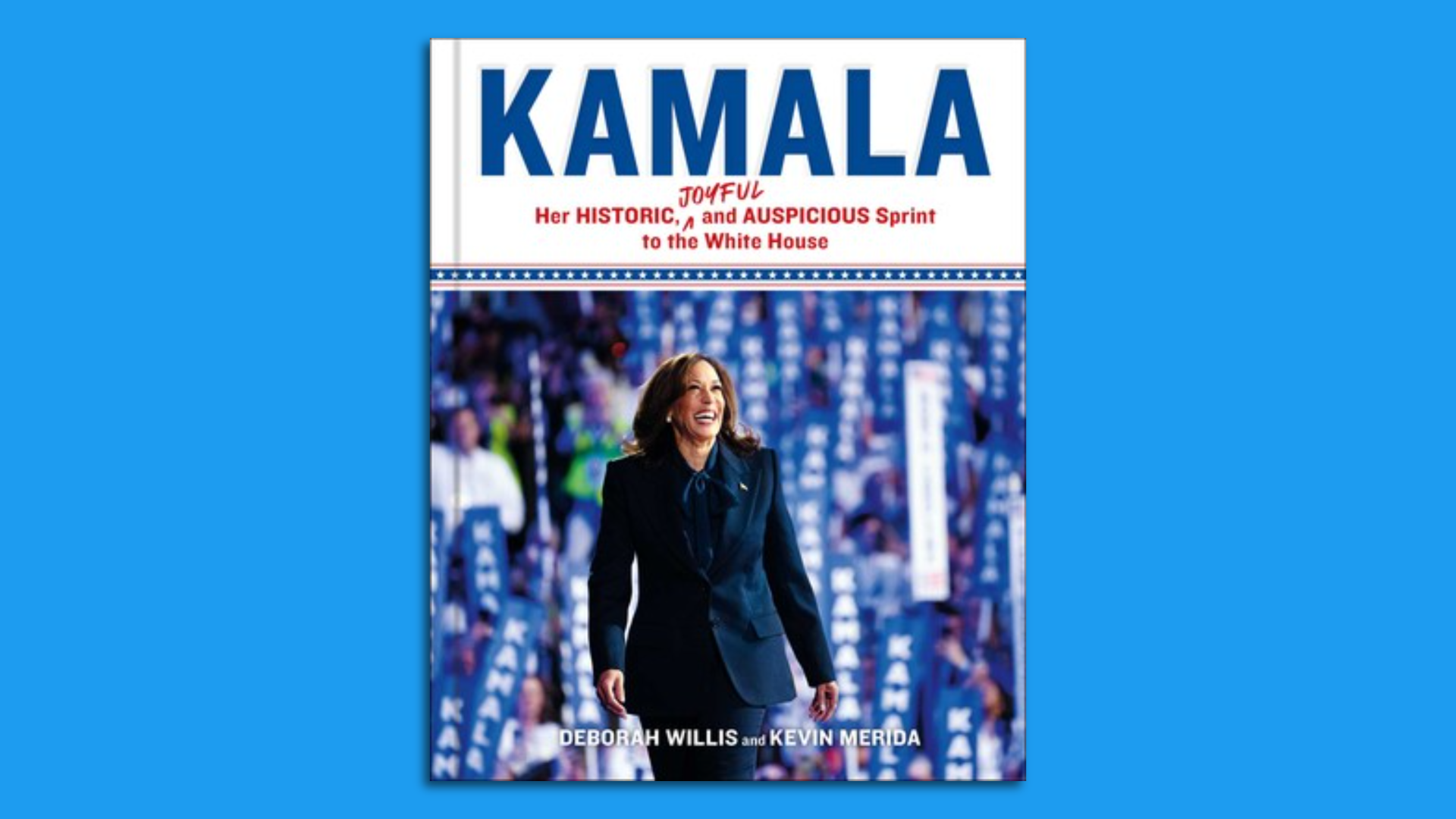
The big picture: Amid this period of exploration and reinvention, Merida partnered with acclaimed photo historian Deborah Willis to co-create "Kamala: Her Historic, Joyful and Auspicious Sprint to the White House."
- The photographic biography, released on Dec. 17, reflects Kamala Harris' historic role as the first Black and South Asian woman to hold the vice presidency, her position as the most powerful woman in America, and her ambitious 107-day sprint to capture the presidency — an extraordinary chapter in political history.
Below is an excerpt from Axios' conversation with Merida, edited for clarity.
QUESTION: What inspired you and Deborah Willis to create this book on Kamala Harris' campaign?
ANSWER: "Deborah and I had previously collaborated on a photo book about [President] Obama's 2008 campaign ("Obama: The Historic Campaign in Photographs"), and it was such a rewarding experience.
- "When this project came up, it felt natural to work together again. We had a very tight deadline — essentially a month, though it stretched to six weeks — but we were committed. Kamala Harris' campaign was historic, and we felt a responsibility to document it, not just as a political event but as a cultural and historic milestone."
Q: How does this book compare to your previous work on Obama's campaign?
A: "The Obama book was a bit easier because I was steeped in the campaign as a journalist then.
- "For this book, it was more of a sprint. Kamala's campaign spanned just 107 days, but it was transformative. We wanted to capture not just the campaign but her life and legacy. This included moments from her childhood, family dynamics, and her rise in politics alongside the campaign's historic elements."
Q: You've been involved in chronicling two historic moments: Obama's presidency and Harris' campaign. How does that feel?
A: "These milestones are incredibly important to chronicle — they're part of history. But I also hope we get to a point where we're not constantly talking about someone being the first to do something. It's a reflection of progress and how far we still have to go. For now, though, these moments must be celebrated and recorded so future generations can study and learn from them."
Q: The book is described as a photographic biography. How did you approach the curation of images and storytelling?
A: "Photography itself is a powerful medium. We didn't want this to be a strictly chronological account but rather a thematic exploration of her life and campaign.
- "Deborah led the photo curation with her incredible visual sense, but it was a team effort. We selected about 150 images from countless sources — some from major photographers, others from individuals who happened to capture meaningful moments. Beyond photos, I worked on captions, section lead-ins, and an essay to give context and depth."
Q: What challenges did you face during the creation of this book?
A: "The timeline was the biggest challenge. Balancing two coasts, late nights and early mornings made it hectic.
- "Then, the complexity of photo rights and narrowing down selections were added. Deborah and I often debated what to include. But in the end, the collaboration, even with its intensity, was gratifying."
Q: Kamala Harris branded her campaign with joy. How did you reflect that in the book?
A: "We wanted to show all facets of her personality. While joy was a campaign theme, we also captured moments of contemplation, fierceness and connection with people.
- "Whether flipping burgers at a rally or helping a child adjust their glasses, these moments tell the story of a multifaceted leader."
Q: What message do you hope readers take away from this book?
A: "I hope readers see this as a moment of history, not just for Kamala Harris but for representation in leadership.
- "It's about chronicling her journey in a way that inspires future generations. And photography allows readers to interpret and reflect on the emotions and significance of these moments."
Q: What are you working on now, and do you miss the daily news grind?
A: "I've taken some time to reflect and explore new projects. I'm writing a series of essays on LeBron James for The Washington Post and working as a strategic adviser with Breakwater Studios.
- "I've also joined a nonprofit news initiative focused on strengthening local journalism. I don't miss the daily grind, but I stay involved in ways that allow me to contribute meaningfully."
Q: Any advice for aspiring journalists or historians?
A: "Focus on chronicling history as it unfolds. Journalism is not just about reporting current events; it's about understanding the long-term significance.
- "And collaborate — whether in big organizations or local initiatives, partnerships can create impactful storytelling."
