ServiceTitan's ratchet motivation for going public

Add Axios as your preferred source to
see more of our stories on Google.
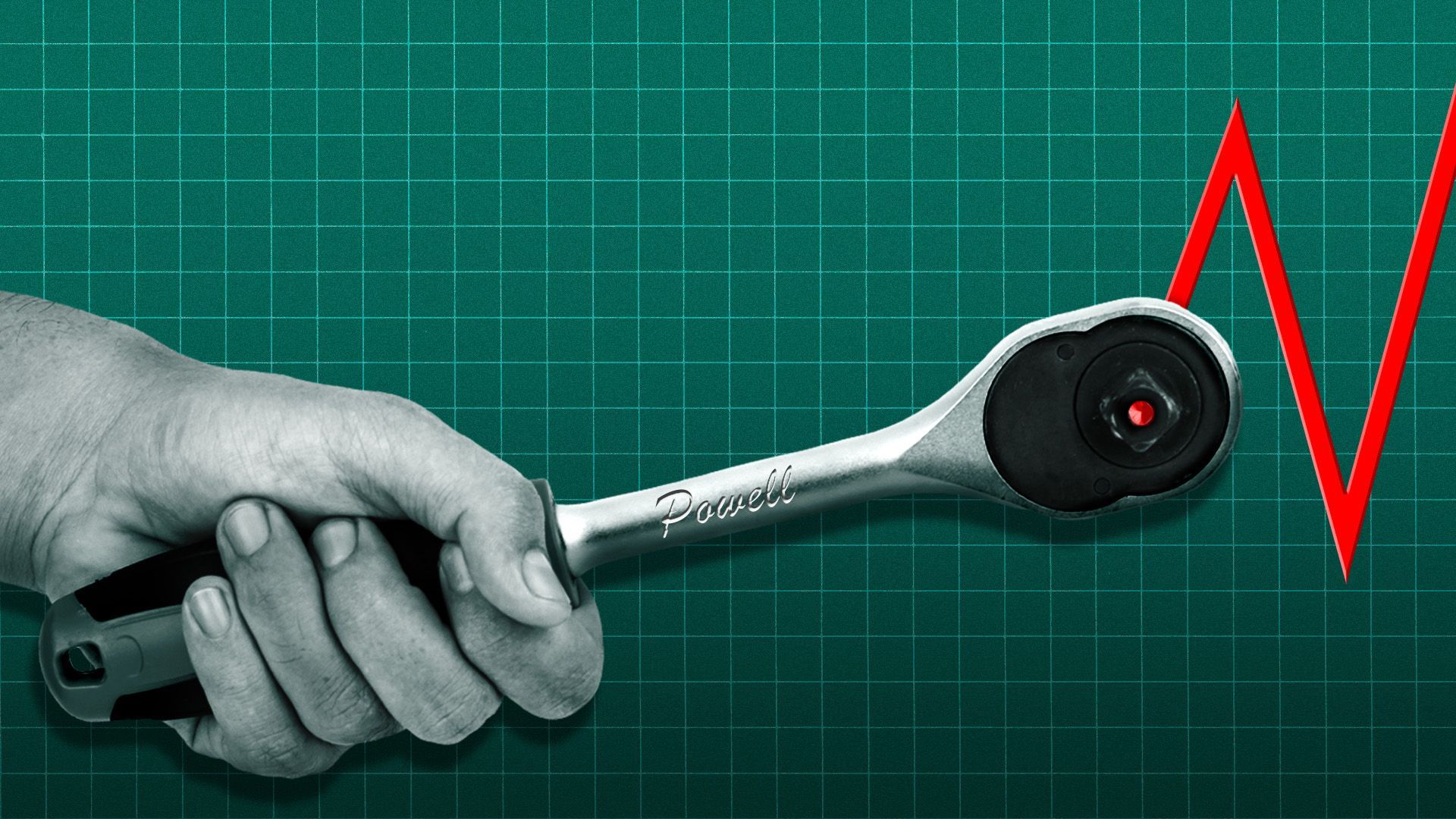
Illustration: Shoshana Gordon/Axios
ServiceTitan is expected to be one of the very few "unicorns" to go public in 2024, with its IPO roadshow likely to launch within the next week.
The big picture: One reason is that ServiceTitan should go public, but perhaps the bigger reason is that ServiceTitan needs to go public.
Should: The tradesperson SaaS company was founded in 2007 and generated $614 million in revenue during its most recent fiscal year (31% YoY growth). Still no profits, but that's not been a traditional impediment for tech IPOs.
Needs: ServiceTitan accepted an onerous antidilution term tucked into its Series H fundraising round led by TPG.
Zoom in: The term in question is a ratchet, which effectively would make TPG and other Series H invstors whole were ServiceTitan to go public below the Series H share price.
- This was common in ZIRP-era growth rounds, as startups were eager to maintain their inflated valuations (or at least most of them, since ServiceTitan was actually valued higher in its Series F and Series G rounds).
- This ratchet, however, compounds at 11% per year if ServiceTitan didn't go public within 18 months (i.e., May 2024).
To sum up: The lower the IPO price, the more shares go to Series H investors (and away from other existing shareholders). The longer ServiceTitan waits to go public, the wider that delta grows.
- It is, as venture capitalist Bill Gurley recently noted in a podcast, a massive misalignment of interests. Meritech Capital also published a smart breakdown of the math.
- Right now, the dilution impact is fairly minimal. But given the ratchet's compounding nature, that could change in a hurry were ServiceTitan to stay private longer.
What to watch: How many other compounding ratchet time bombs are out there in unicorn-land, and if that is what finally unclogs the IPO pipeline.
