Film examines Elvis 1968 comeback special after divisive election

Add Axios as your preferred source to
see more of our stories on Google.
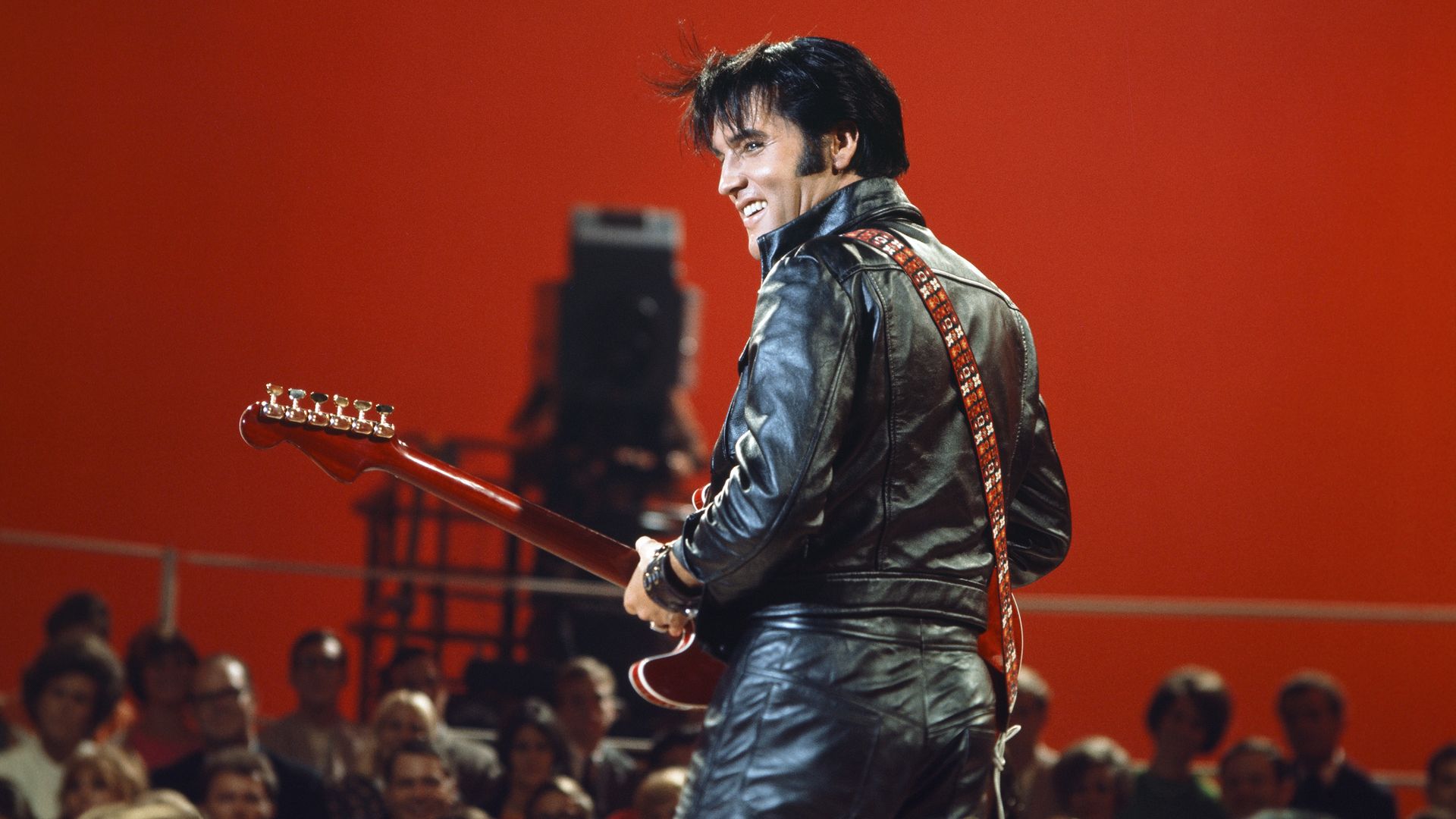
Elvis Presley during his '68 Comeback Special on NBC. Photo: Frank Carroll/Gary Null/NBCU Photo Bank/NBCUniversal via Getty Images via Getty Images
A new Netflix documentary is tackling Elvis Presley's 1968 comeback special that revitalized his faltering career and aired amid racial violence, assassinations and a divided country.
The big picture: The documentary to be released Wednesday comes as other recent projects on Elvis have re-examined his role in racial desegregation after previous generations dismissed him as an appropriator of Black art.
Zoom in: "Return of the King: The Fall and Rise of Elvis Presley" looks at the rock-n-roll pioneer's attempt to stage an artistic return to the public eye following a string of unforgettable movies and not performing live for years.
- Interviews and rarely-seen footage show Elvis taking what he thinks is his last shot at saving himself and, by chance, creating one of the best musical specials in television history.
- "He would not be the king of rock-n-roll, if not for those two nights of taping in late June 1968," Jason Hehir, the film's director, tells Axios.
- Hehir says he pitched the documentary idea to Priscilla Presley and Netflix as a sports story. " This is a guy who has one play left. He's on the 50-yard line, and he needs to throw a Hail Mary to continue his career."
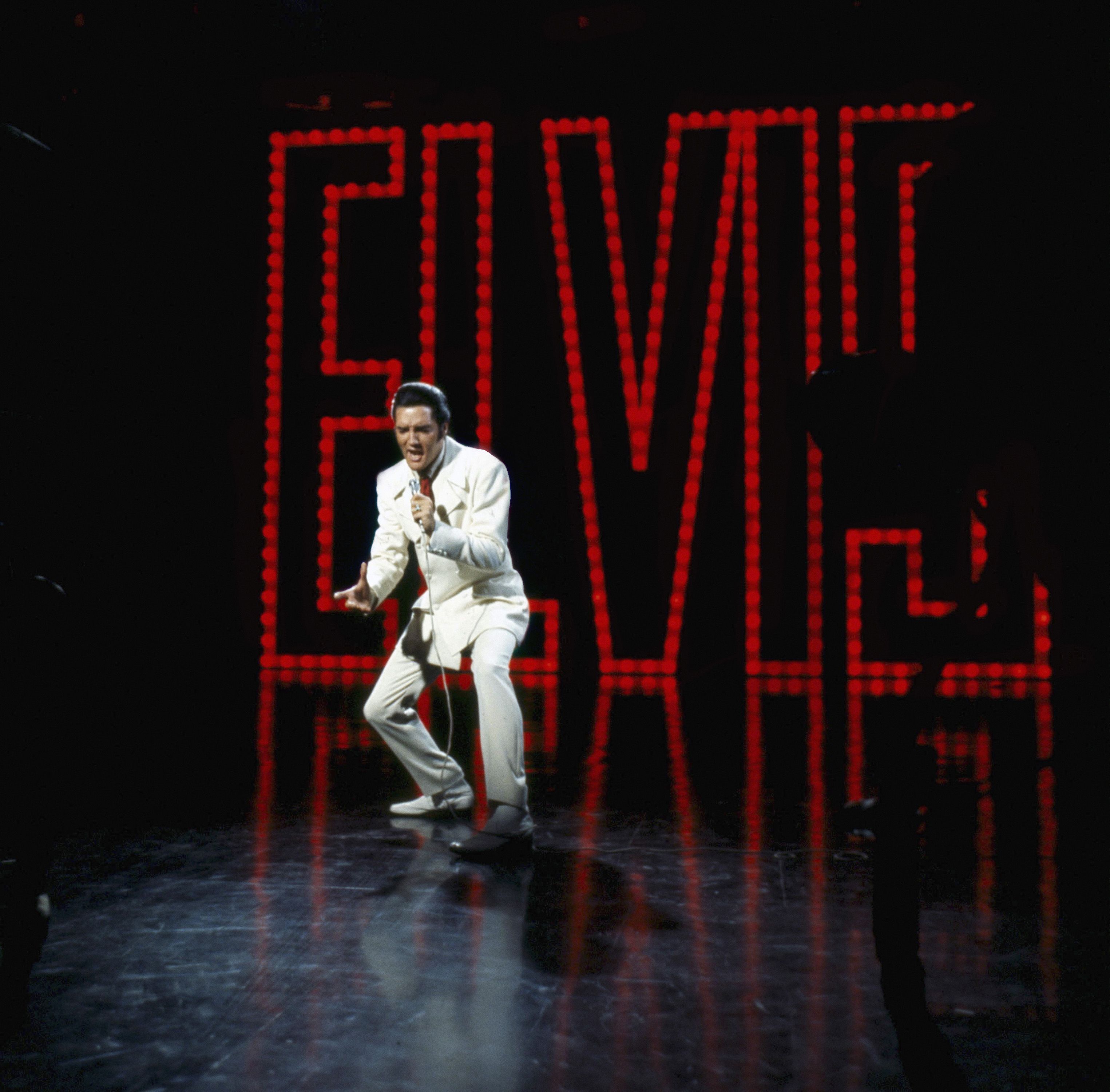
The intrigue: The film shows how Elvis and his manager, Colonel Tom Parker, were locked in a battle over the content of the special, and how Elvis eventually got to perform old hits with his old band via a jam session.
- Elvis also ignored Parker's insistence for a Christmas song ending and instead performed the gospel-inspired "If I Can Dream" in what would become one of his most iconic performances.
- The song was a homage to the late Dr. Martin Luther King, Jr., who was murdered in Elvis' hometown of Memphis.
Context: Before the special, Elvis was on the verge of becoming irrelevant with the emergence of the Rolling Stones, the Beatles, Motown, Jimi Hendrix and more politically charged music.
- Robert Kennedy and King had been assassinated, riots besieged cities, college students were protesting the Vietnam War and Richard Nixon was about to take the White House following a tense presidential election.
- Once a dangerous artist who faced critics wanting to ban his ground-breaking music, Elvis had become a family entertainer to some and a joke to others.
What they're saying: "He comes out, and he's the best-looking guy on the planet," Conan O'Brien, late-night host and comedian, says in the film.
- "I felt like my team came back and they're winning again," Bruce Springsteen says.
- O'Brien and Springsteen talk about seeing the special and thinking that the real Elvis had returned.
Zoom out: Production of the documentary began during the pandemic and after Priscilla Presley gave the green light, Hehir says.
- Hehir says he did not anticipate that the documentary would come out similar to the time when the special aired — after a divisive election and violent campaign.
Between the lines: For years, Elvis has been attacked by some Black critics as a performer who used his white privilege to make hits of songs originally performed by Black artists like Big Mama Thornton.
- Public Enemy's Chuck D famously called Elvis a racist in the 1990s anthem "Fight the Power," but later said he now sees him as a more nuisance figure.
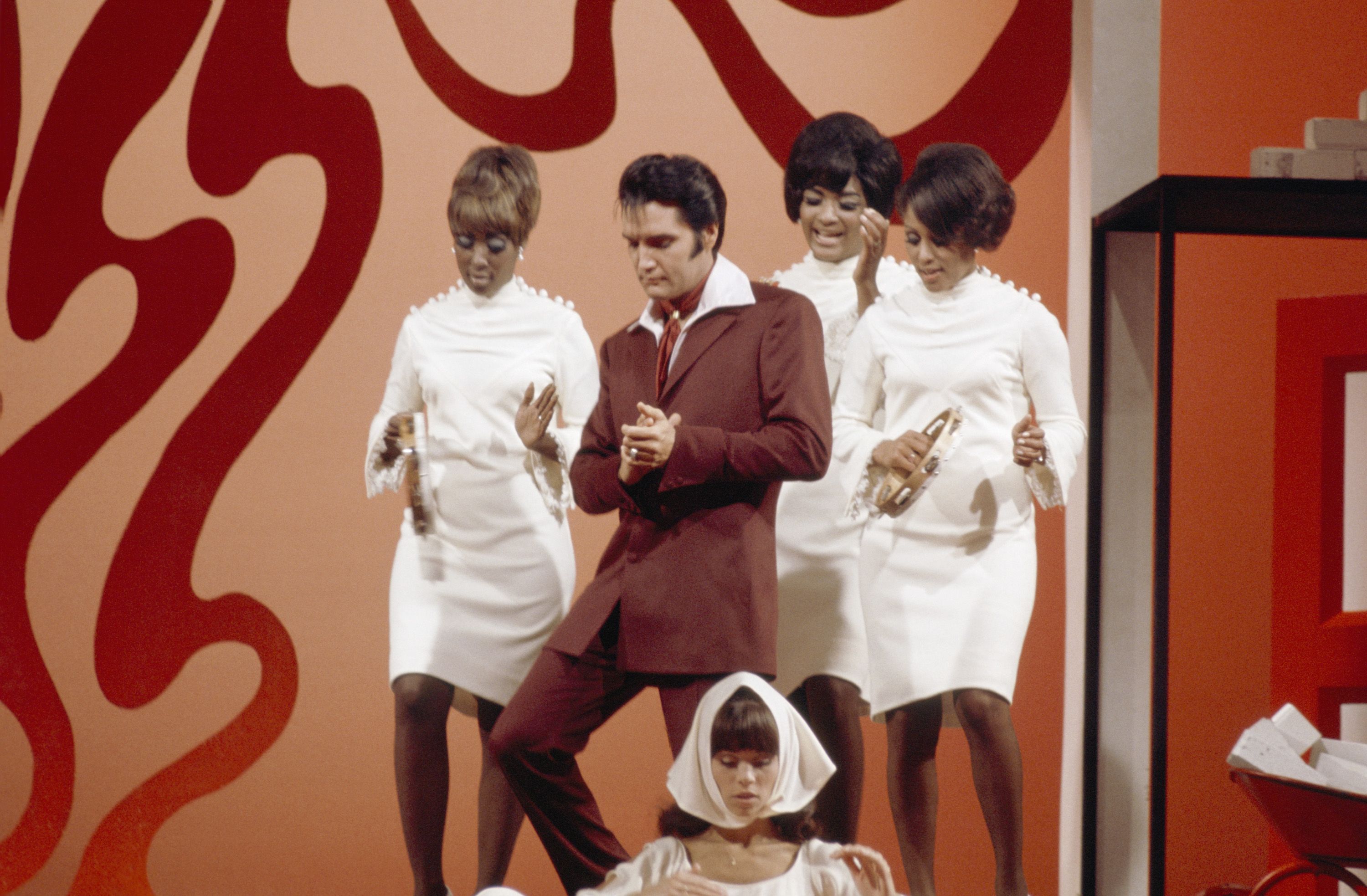
- Hehir says that's why it was vital for him to get into the documentary voices like Darlene Love, a Black Rock & Roll Hall of Famer who performed with Elvis on the special as a member of The Blossoms.
The bottom line: Hehir wants the documentary to show how the Elvis special inspired hope during a trying time and end on a happy note during the performer's long career.
- "Because we know how it will all eventually end."
