U.K. raises private equity tax, but by less than expected

Add Axios as your preferred source to
see more of our stories on Google.
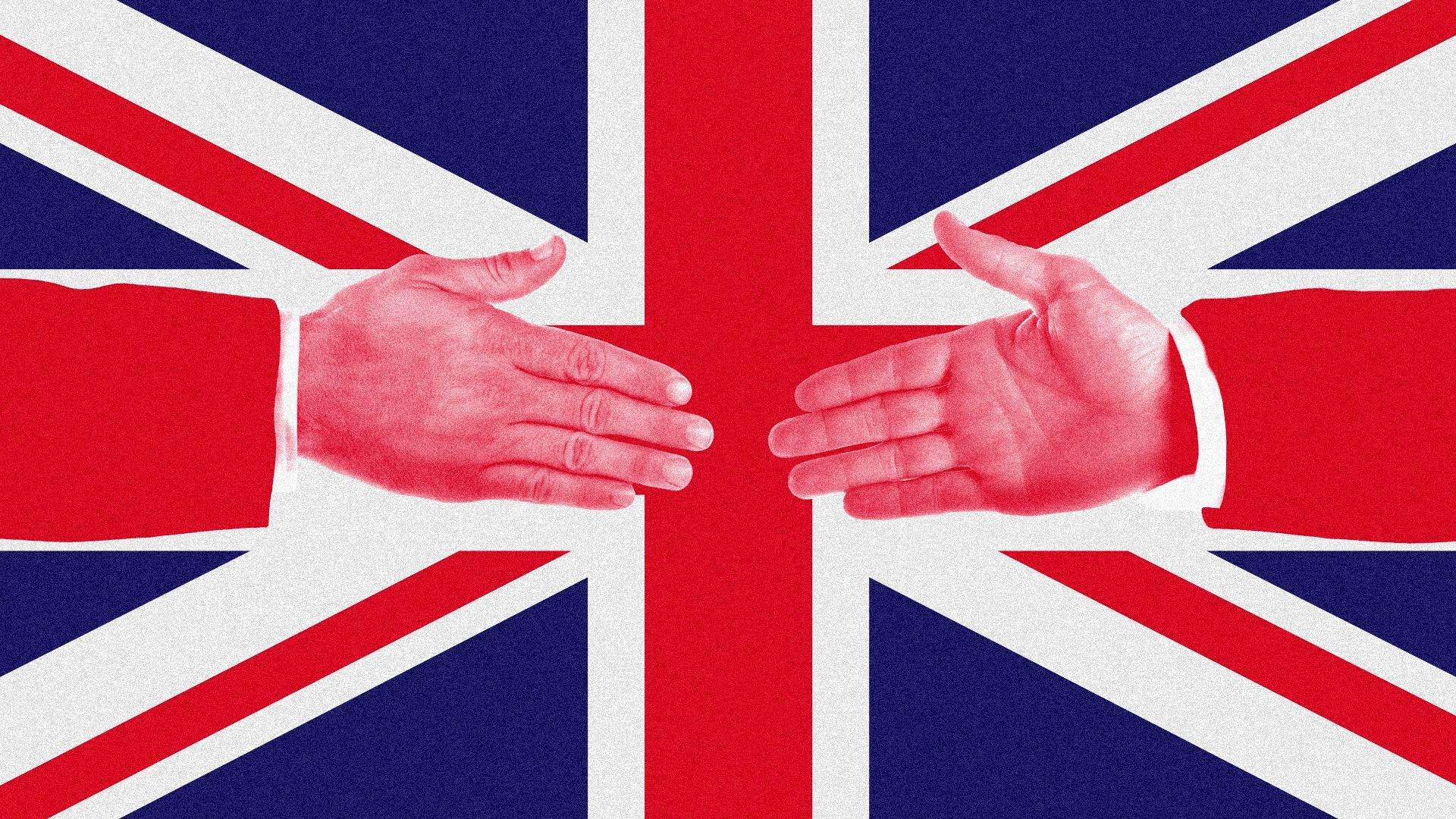
Illustration: Shoshana Gordon/Axios
U.S. politicians talk a big game about changing the tax treatment of carried interest. But then they fold.
- Apparently it's not just an American condition.
Driving the news: U.K. Finance Minister Rachel Reeves yesterday said that Labour will increase the tax on carried interest to 32% from 28%, which is well below the 45% rate promised during this past summer's election campaign.
Why it matters: This is a huge win for British private equity (and its lobbyists).
- Yes, it's an increase and a much higher rate than in the U.S., where carried interest continues to be treated as a long-term capital gain (i.e., 20%).
- But the U.K. has a special tax category for carried interest, which makes it easier for the government to target.
- Reeves has generated past headlines for referring to private equity bosses as asset-strippers, although yesterday she noted that "the fund management industry provides a vital contribution to our economy."
Behind the scenes: Private equity firms had spent the past several months cajoling Reeves and other Labour officials, with scattered threats to relocate London investors.
- It's a similar playbook to what we've seen stateside, where Presidents Obama, Trump, and Biden all promised to treat carried interest as ordinary income — only to back down after being stymied by Congress.
By the numbers: The milder increase is expected to generate around £300 million in additional tax income by early 2030, as opposed to the initial proposal's £1 billion projection.
Look ahead: The increase would take effect in April 2025, and Reeves says that by April 2026 she will "deliver further reforms to ensure that the specific rules for carried interest are simpler, fairer, and better targeted."
