Fossil fuel transition lacks incentives, key climate official says

Add Axios as your preferred source to
see more of our stories on Google.
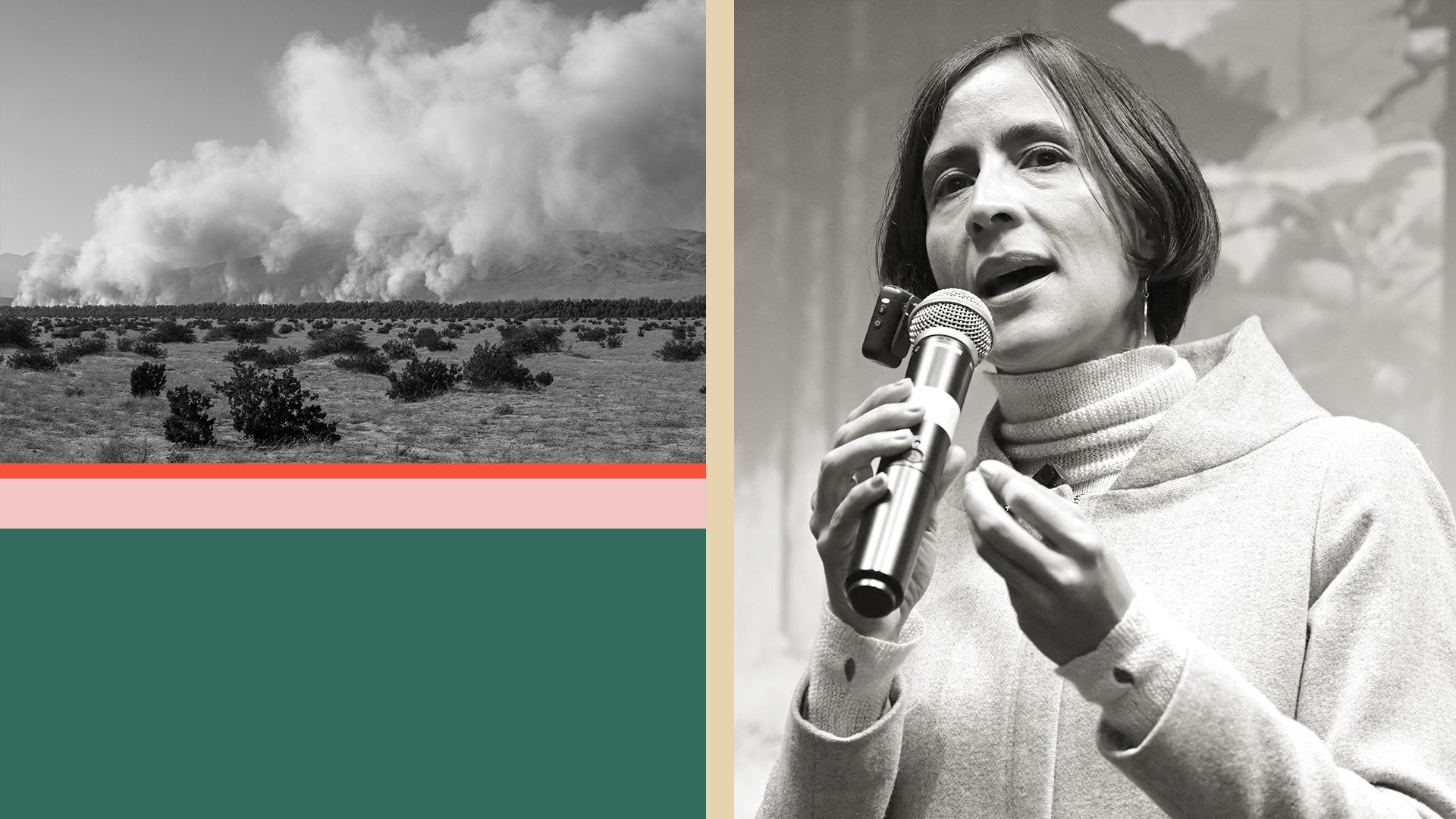
Photo illustration: Axios Visuals. Photo: Raul Arboleda/Getty Images
Colombia's top environment official tells Axios that countries like hers lack critical financial support to transition away from fossil fuels.
Why it matters: Susana Muhamad, Colombia's secretary of the environment and sustainable development, is set to chair international talks on a new biodiversity pact.
- Unlike the COP climate talks, special interests such as the fossil fuel industry haven't dominated the biodiversity discussions, she said.
The big picture: Muhamad — viewed as a rising star in international climate circles — represents a government that, under President Gustavo Petro, halted new oil leases last year and has sought to replace that income through other sources.
- She portrays the country as a trailblazer for setting up ways for other countries to decarbonize, because without financial incentives, climate goals may never be achieved.
- Muhamad has worked to develop a large investment portfolio, including potential commitments from major donors. The environment ministry stated last week it aims to raise up to $40 billion for Colombia's energy transition.
Zoom in: Axios sat down with Muhamad for a wide-ranging conversation on the sidelines of the UN General Assembly and during Climate Week NYC last week.
This interview has been edited for length and clarity.
On how biodiversity talks differ from UN climate negotiations:
- "I have a sense that it's a different environment between the biodiversity and the climate COP. My feeling is that biodiversity has created a lot of excitement and a lot of momentum, and in a way that I feel is more down to Earth and more practical.
- It is maybe like an island in between a more uncertain situation on the climate discussion, and I guess it has worked so far. Let's see how it plays out.
- I will call it the COP that has momentum and has good vibes."
On climate finance for countries that shift away from fossil fuels:
- "Financial system reform is absolutely critical. Otherwise we won't have fair transitions and done by everybody. We have very good opportunities in this climate transition, economic opportunities, more peace and stability, because actually, countries could increase their conditions for their people if we do this right. But we need a new financial pact.
- And this new financial pact requires the access of capital to governments at a fair, very low rate and a lot of concessional finance. Otherwise, the numbers don't [come] close."
On incentives for countries to reduce their dependence on fossil fuels:
- "A country like Colombia, making the transition from fossil fuels as an export country, there is no policy around export countries, right? So who's going to put their economy at risk first to save the planet? What are the international conditions? And then we have, there's no response. And so nobody does it."
Her take on the 2024 election:
- "As an official, I cannot give too much opinion on the U.S. election. But of course, there's two different paths, totally different paths, and of course, we will have a stronger possibility of moving forward a climate agenda with the Harris administration, potentially.
- But we will need more commitment from the U.S. toward international policy in climate.
- "On the other hand, if we get to the Republican government, it's a disaster. It's a climate disaster."
