Not "very demure": Trademark spats are a trend for creators who go viral

Add Axios as your preferred source to
see more of our stories on Google.
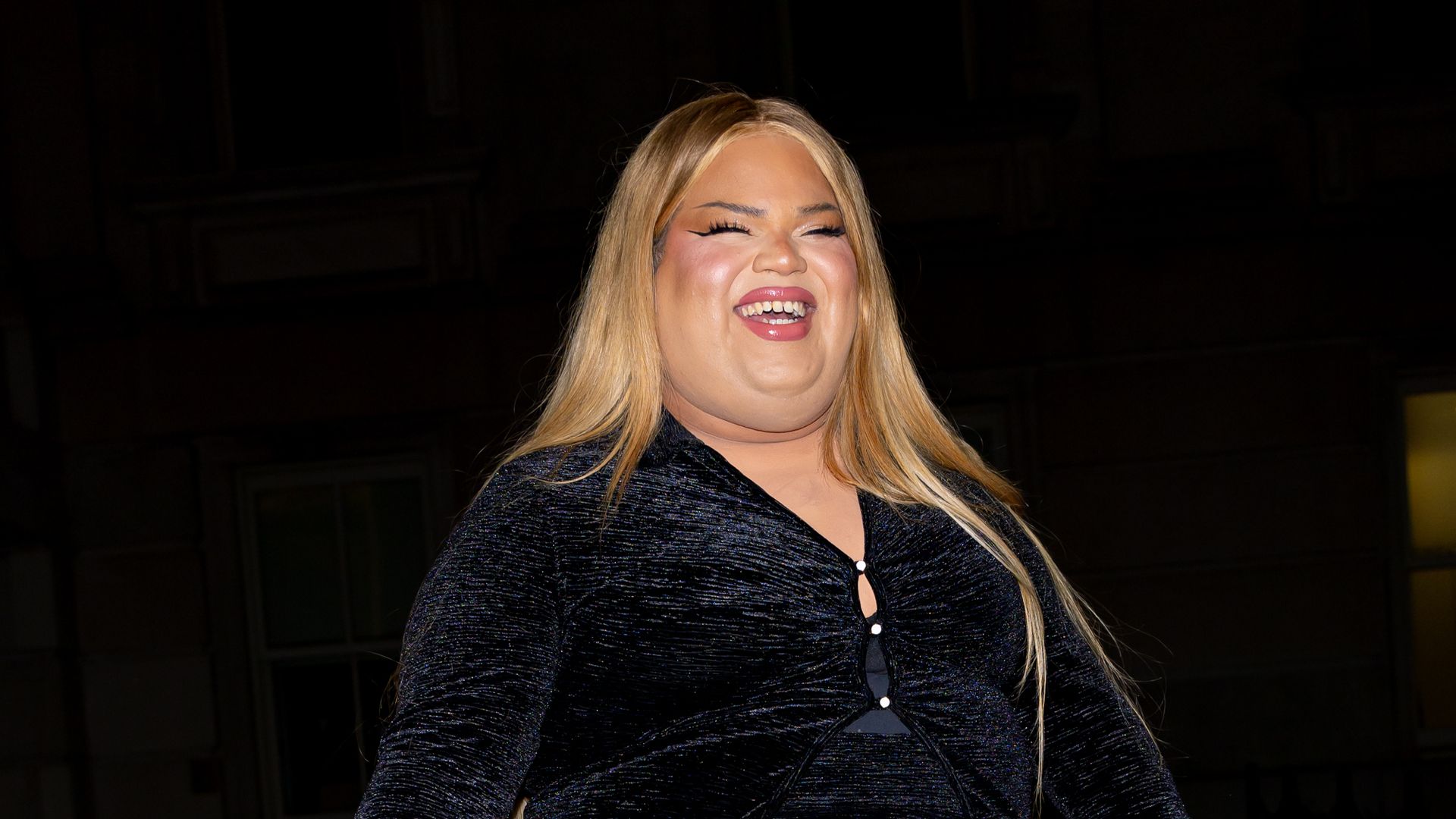
Jools Lebron is seen in FiDi on Sept. 5 in New York City. Photo: The Hapa Blonde/GC Images
Trademarking the viral "very demure, very mindful" trend has become very complicated, very fast for TikTok creator Jools Lebron.
Why it matters: The art of going viral can be highly lucrative, though some creators who try to capitalize on their work often end up in lengthy trademark approval processes that can outlive the trends they're fighting for.
Catch up quick: Lebron's original 38-second-long post has generated over 51 million views since Aug. 5.
- The resulting attention sparked brand deals and celeb shoutouts.
- Lebron, who identifies as a transgender woman, says the money she has initially made from it will help her finance the rest of her transition.
State of play: She filed Aug. 29 to trademark "very demure very mindful" with the U.S. Patent and Trademark Office, a representative for Lebron confirmed.
- But there was a problem, something that fans have since decried as not very "mindful": At least three others with no connection to the phrase had applied for demure-related trademarks before her.
- A Washington State man applied to trademark "Very Demure .. Very Mindful .." on Aug. 20 for advertising, marketing and promotional services. As of Monday, the application was listed as "Awaiting Examination," the office said.
The big picture: Yet-to-be-famous social media users don't often think of themselves as a brand when they first press "record" to capture their viral moment, intellectual property lawyer Alesha Dominique said.
- But a flurry of trademark filings from individuals — who aren't the original influencer — who see the potential for commercial benefit often follow.
- "If you are in a situation where you're later trying to tie ... the catchphrase, the term, to a good or service, you may be behind others unbeknownst to you who may have legitimate rights," Dominique said.
But she said influencers more often get stuck behind people who have filed "bad-faith filings."
- Bad faith filings can be punishable by fines, imprisonment or both, but, as Dominque said, "the cost to police against bad faith filings can pose a barrier for influencers and other brand owners to take meaningful action against the bad guys."
Zoom out: It's not just "demure" that's been caught up in the frenzy.
- After Hailey Welch, more commonly known as "Hawk Tuah" girl, went viral for her man-on-the-street interview moment, several individuals have filed for trademarks using her innuendo that the internet loves, according to USPTO's database.
- While a handful of those applications are labeled as "dead," a majority of the dozens of filings (some of which do appear to belong to Welch's company, 16 minutes) remain pending.
Between the lines: While a viral phrase can be trademarked in the U.S., it must be tied to a commercial use.
- In order for a word, catchphrase, symbol or other entity to function as a trademark it has to be tied to a good or service and operate as a distinguishing "source identifier," Dominique explained.
- "It complicates things when you have a catchphrase that takes off like that that's not tied to a good or a service yet," she said of the "demure" trend.
- Lebron, for example, applied for a trademark for the use of "advertising and marketing services, namely, promoting the goods and services of others," specifically listing make-up and hair products, among other items.
Zoom in: The review process could work in Lebron's favor, Dominique said, such as if other filers claim a false suggestion of a connection.
- "The false suggestion of association argument in situations like this when things go viral is extremely persuasive," she added.
- But reviewers may not catch a bad-faith filing up front, prompting further legal spats.
The bottom line: Litigation over a trend that's meant to be lighthearted, goofy and, of course, "cutesy," could be a hefty, expensive burden.
Go deeper: Supreme Court rejects effort to trademark "Trump too small" phrase
