Garden-grown basil works great in these pesto recipes


Add Axios as your preferred source to
see more of our stories on Google.
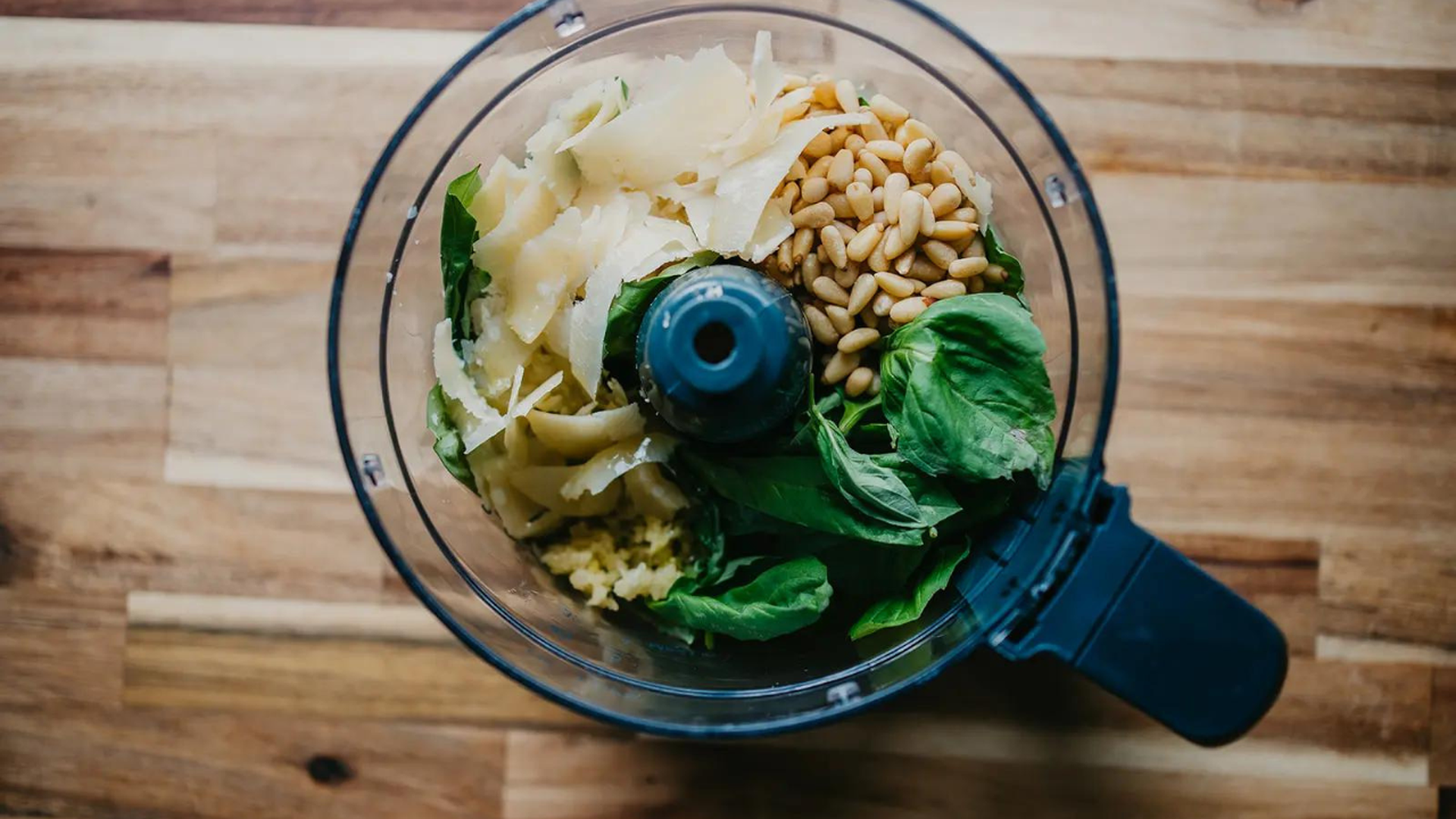
Photo: Becky Duffyhill, courtesy of Kait Welch
The benefits of growing your own herbs are far-reaching, but many pick up the hobby for the peak flavor freshness. One simple way to put those herbs to use is pesto.
Yes, but: If you don't have an herb garden, Patti Rounsevell from Alexandria shared an herb hack with us: Trader Joe's sells basil in a transplantable form. Makes growing (and making fresh pesto) easy, she says.
Zoom in: Denver-based Kait Welch wrote an entire cookbook based on urban homesteading practices. The recipes are designed to be low-waste and beginner-friendly.
Here's her straightforward pesto recipe:
- 2 cups basil, packed
- 1/2 cup olive oil
- 1/2 cup parmesan
- 1/2 cup pine nuts
- 2 cloves garlic
- 1/2 tsp sea salt
Directions: Add all ingredients into a food processor and pulse until desired consistency (about five minutes).
- This pesto keeps for a week in the fridge, if stored in an airtight container, Welch says. You can also freeze the mixture for up to six months by pouring it into ice cube trays and putting those trays in an airtight container in the freezer.
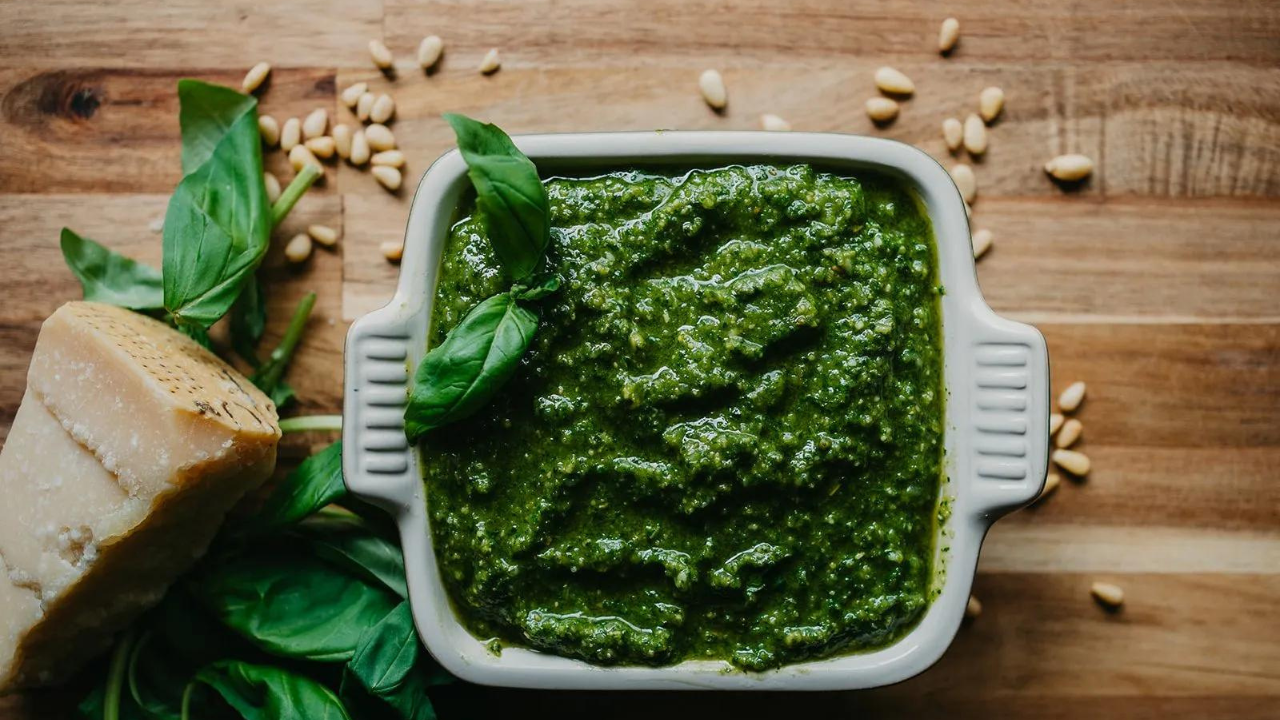
Looking for a fall-inspired version? Chicago-based Monteverde chef Sarah Grueneberg dished about her pumpkin seed pesto recipe.
Ingredients (makes just over 1.5 cups):
- 1 cup large butternut squash chunks
- 6 tablespoons plus 1 teaspoon everyday olive oil
- Kosher salt
- 1/2 cup green pumpkin seeds (pepitas)
- 2 tablespoons coarsely chopped fresh sage leaves
- 1/4 cup fresh flat-leaf parsley leaves, roughly chopped
- 1 tablespoon balsamic vinegar
- 1 teaspoon finely grated orange zest (use a Microplane)
- 1 pinch of ground nutmeg
- 1/4 cup freshly grated Parmigiano-Reggiano
- Fresh cracked black pepper
Directions:
- Preheat the oven to 450°F. Line a baking sheet with parchment paper or foil and spray with cooking spray. In a medium bowl, toss the butternut squash with 1 tablespoon of olive oil and a generous pinch or two of salt. Scatter the squash on the baking sheet in an even layer. Bake for 30 minutes, stirring halfway. Bake until the squash is tender yet caramelized on the edges. Let cool for 10 minutes.
- Meanwhile, heat a medium skillet over medium heat. Add the pumpkin seeds and 1 teaspoon of the olive oil and cook, stirring, until starting to toast, 2 minutes. Add the sage and cook until fragrant and the seeds are toasted, about 1 minute longer. Remove from the heat and cool.
- In a large mortar, combine the toasted pumpkin seed mixture and parsley; use a pestle to crush them. Add the remaining 5 tablespoons of olive oil along with the balsamic, orange zest and nutmeg. Combine with a twisting motion of the pestle against the mortar. Add the squash and parm and continue to press down and mix the ingredients with the pestle. (If you do not have a mortar and pestle, you can use a food processor. Pulse all the ingredients except the olive oil and the butternut squash until combined. Pulse the mixture as you slowly drizzle in the olive oil. Transfer the pesto to a bowl and fold in the roasted butternut squash, mashing it a bit.)
- Season with a few pinches of kosher salt and black pepper. Using a spoon, mix to combine. The pesto can be refrigerated in an airtight container for up to a week.
From Listen to Your Vegetables by Sarah Grueneberg and Kate Heddings. Copyright © 2022 by Green Mountain Collection, LLC. Reprinted by permission of Harvest, an imprint of HarperCollins Publishers.
