Why company names are so hard to change

Add Axios as your preferred source to
see more of our stories on Google.
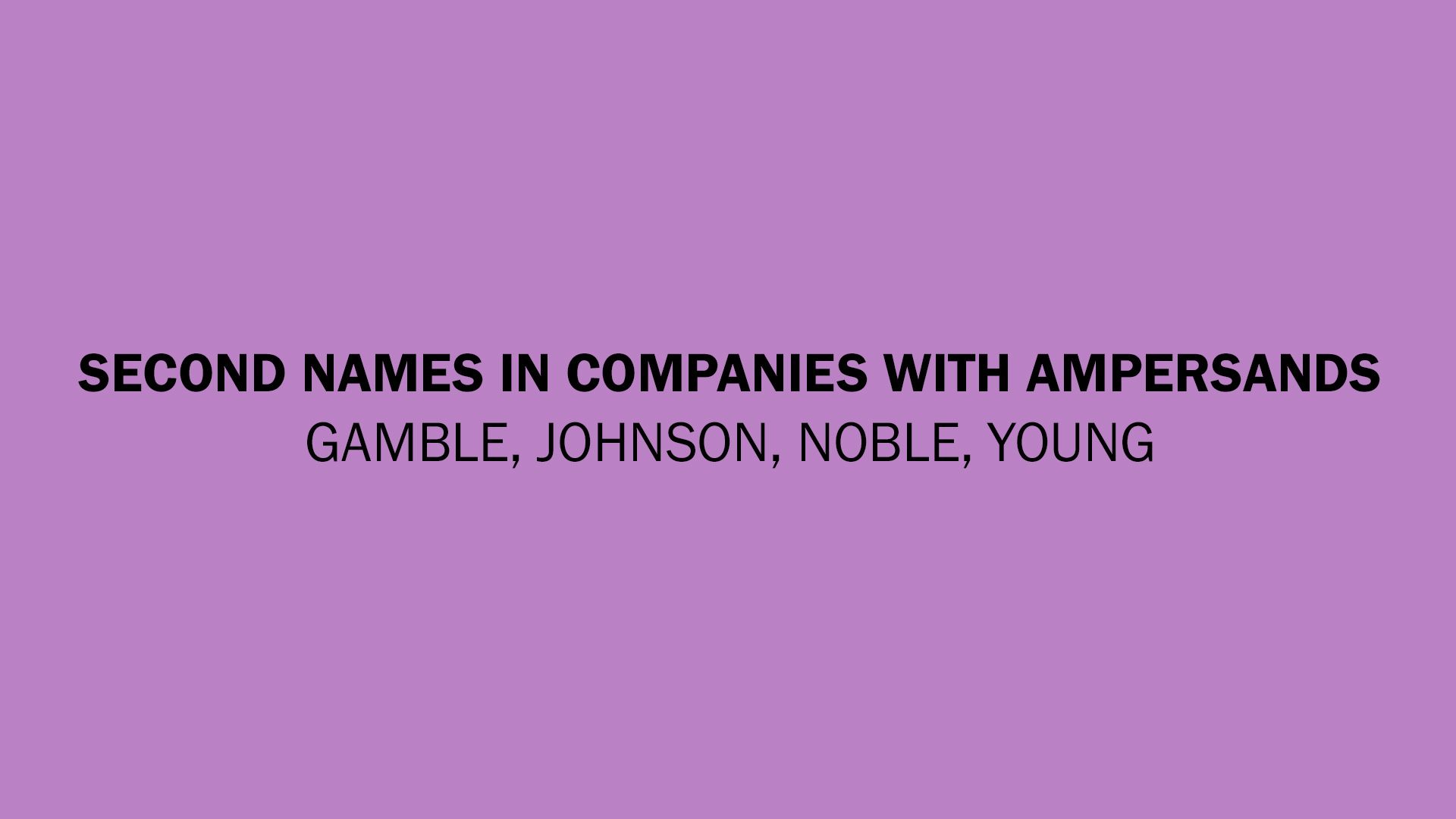
Credit: NYT Connections
It's astonishingly hard to change a name — as EY discovered on Thursday when employees around the world played the NYT's incredibly popular Connections game.
Why it matters: Large corporations often think that by changing their name, they can change how they're thought of. More common, however, is that the general public continues to think of them under their deprecated moniker.
Driving the news: The grouping connecting Gamble, Johnson, Noble, and Young was "second names in companies with ampersands."
- Procter & Gamble, Johnson & Johnson, and Barnes & Noble are all indeed companies with ampersands.
- EY, however, is not. It hasn't been Ernst & Young since July 2013.
The big picture: A new name can't just be announced — it has to be seen repeatedly before people start getting used to it and maybe even start using it.
- That's why it's still rare to overhear conversations about Alphabet, Meta, or WW, years after those companies changed their names from Google, Facebook, and Weight Watchers, respectively.
- WW also suffers from being much more difficult to pronounce — something it shares with EY, a very unnatural phonetic combination for English speakers.
Between the lines: EY is not the only big accountancy company to have mixed success with a rebrand. PwC Consulting, an offshoot of PricewaterhouseCoopers, changed its name in 2002 to Monday for about five minutes before it was sold to IBM, which immediately scrapped the new name.
The bottom line: Logos are relatively easy to change. Names, however, tend to live much longer.
- Just ask anybody flying into Newark Airport or crossing the Tappan Zee Bridge — both of which have officially changed their names without any effect on how they're generally referred to.
