The inflation election: Harris, Trump economic pitches focus on prices

Add Axios as your preferred source to
see more of our stories on Google.
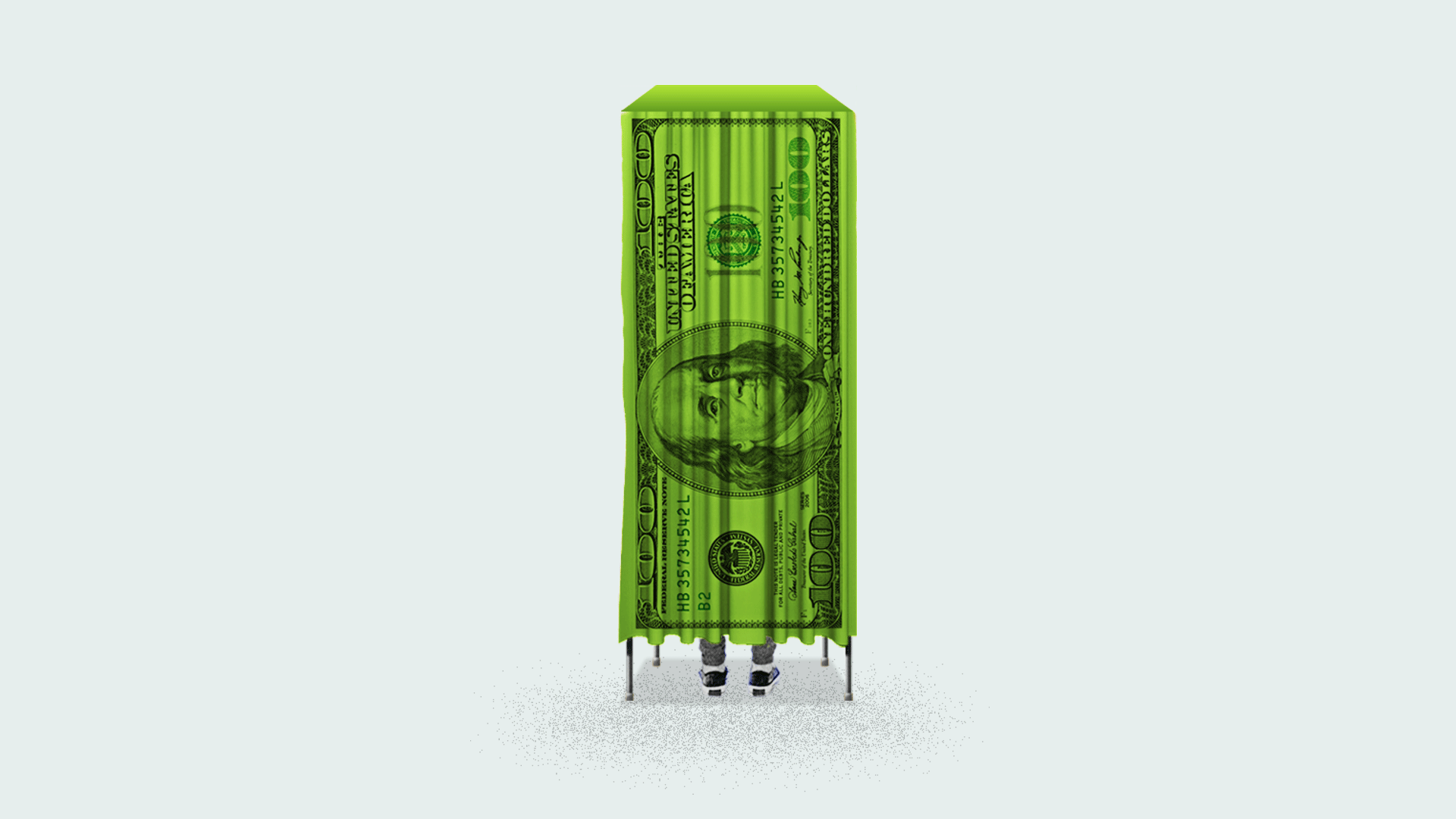
Illustration: Aïda Amer/Axios
The 2024 presidential candidates are betting on populist economic pitches that they say will soothe the pain from the inflation shock that peaked years ago.
Why it matters: By most measures, the two candidates could not be more different — yet former President Trump and Vice President Harris agree that high prices are the economy's central issue.
- There is at least a bit of overlap in how each says they would address price pain with some of the most economically populist agendas in recent memory.
Driving the news: Harris has been mum on the campaign's economic proposals, with few clues on how her position might differ from that of President Biden's. That changes today.
- Among the policies Harris will lay out in a speech is $25,000 worth of down payment support for one million would-be homeowners, a policy that is likely popular but would drive up housing demand even more. On the supply side, the campaign says it will back a tax incentive for builders constructing starter homes.
- Harris wants to put a $35 cap on insulin prices and a $2,000 cap on out-of-pocket costs for all prescription drugs.
- A potential Harris administration will attempt to ban price gouging on groceries to keep costs down, though a fact sheet provided no details on how it would go about doing so. Trump, meanwhile, said this week that he would cut electricity prices in half.
- Like the Trump campaign, Harris wants to restore and raise the child tax credit. Both candidates want to eliminate taxes on tips.
Yes, but: There are some stark contrasts between each candidate, particularly on trade and taxes.
- Harris will promise not to raise taxes on households that make $400,000 or less. Trump wants to extend tax cuts he signed into law while in office in 2017 that lowered taxes for corporations and the wealthy. He wants to end income taxes on Social Security.
- Trump says he will implement double-digit across-the-board tariffs on all imports. Harris — as well as many economists — have criticized such a proposal.
Left unsaid for both candidates: the swelling deficit, and how to pay for such populist policies, if enacted.
The bottom line: In the minds of voters, no other economic issue is more important than inflation. But for economists and data-watchers, that issue is arguably stale, as the battle against inflation looks to be won.
- More troubling: a wobbly labor market, with slower hiring and a steady rise in the unemployment rate.
