Central California's deep Latino history is fading

Add Axios as your preferred source to
see more of our stories on Google.
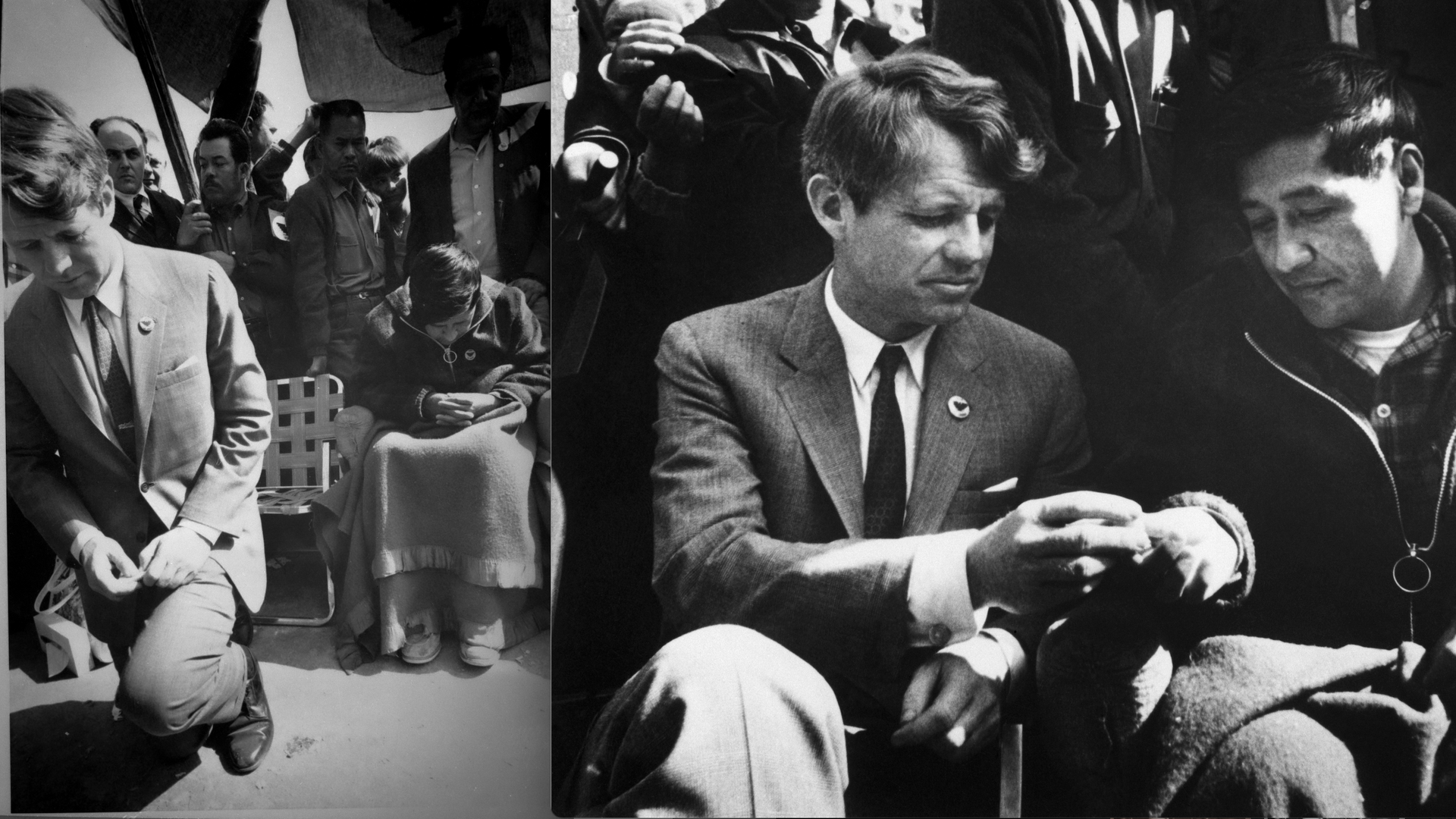
U.S. Sen. Robert F. Kennedy (D-N.Y.) kneels during a Catholic Mass ending United Farm Workers leader Cesar Chavez's 25-day fast for nonviolence before 10,000 farm workers and supporters in Delano, California, in 1968. Photo: Bettmann/Contributor via Getty Images
Once the epicenter of the Chicano Movement, Central California is at risk of losing its Latino history amid broad political shifts and lack of preservation.
Why it matters: As the Latino population grows and becomes more diverse in the region, past lessons are being lost, depriving a new generation of activists of stories on how people once battled poverty and inequality — issues that persist in the Central Valley.
Flashback: Central California was the site of some of the most dramatic strikes and boycotts of the 1960s, and it's where labor activists Cesar Chavez and Dolores Huerta founded the United Farm Workers union.
- Then-U.S. Sen. Robert F. Kennedy toured the area and brought attention to the farmworkers' struggle. He was present when Chavez ended his 25-day fast for nonviolence in 1968.
- The Chavez fast brought praise from Martin Luther King Jr., who sent him a telegraph.
State of play: Axios visited the region recently to speak with new generations of immigrants and middle-class Mexican Americans who say the labor movements of the past are important but wonder how relevant they are in Central California today.
- Although the UFW is still influential in crafting some policies, including changes to overtime laws, it has only a handful of contracts with growers now.
- The storied union has only about 5,500 members today, down from roughly 60,000 in the 1970s.
- UFW spokesperson Antonio De Loera-Brust tells Axios agricultural employers have spent millions on anti-union radio ads and billboards amid a larger push to resist unionization.
Yes, but: Community organizations like PICO California and the California Farmworker Foundation have tried to fill the void by offering training, education, and services.
- PICO California gathers data and trains farm workers to speak out on local issues while the the California Farmworker Foundation offers financial literacy and Zumba classes — similar to the social gatherings once put together by the UFW.
What they're saying: "The region has changed, but so much more work needs to be done," Joe Garia, a labor contractor and founder of the California Farmworker Foundation, tells Axios.
- Garcia says he and other grandchildren of farm workers feel a burden to help communities but that strategies have changed over time.
- Garcia says farm workers and Mexican American middle-class farmers are willing to listen to both parties now instead of placing all their support with just Democrats and left-leaning groups.
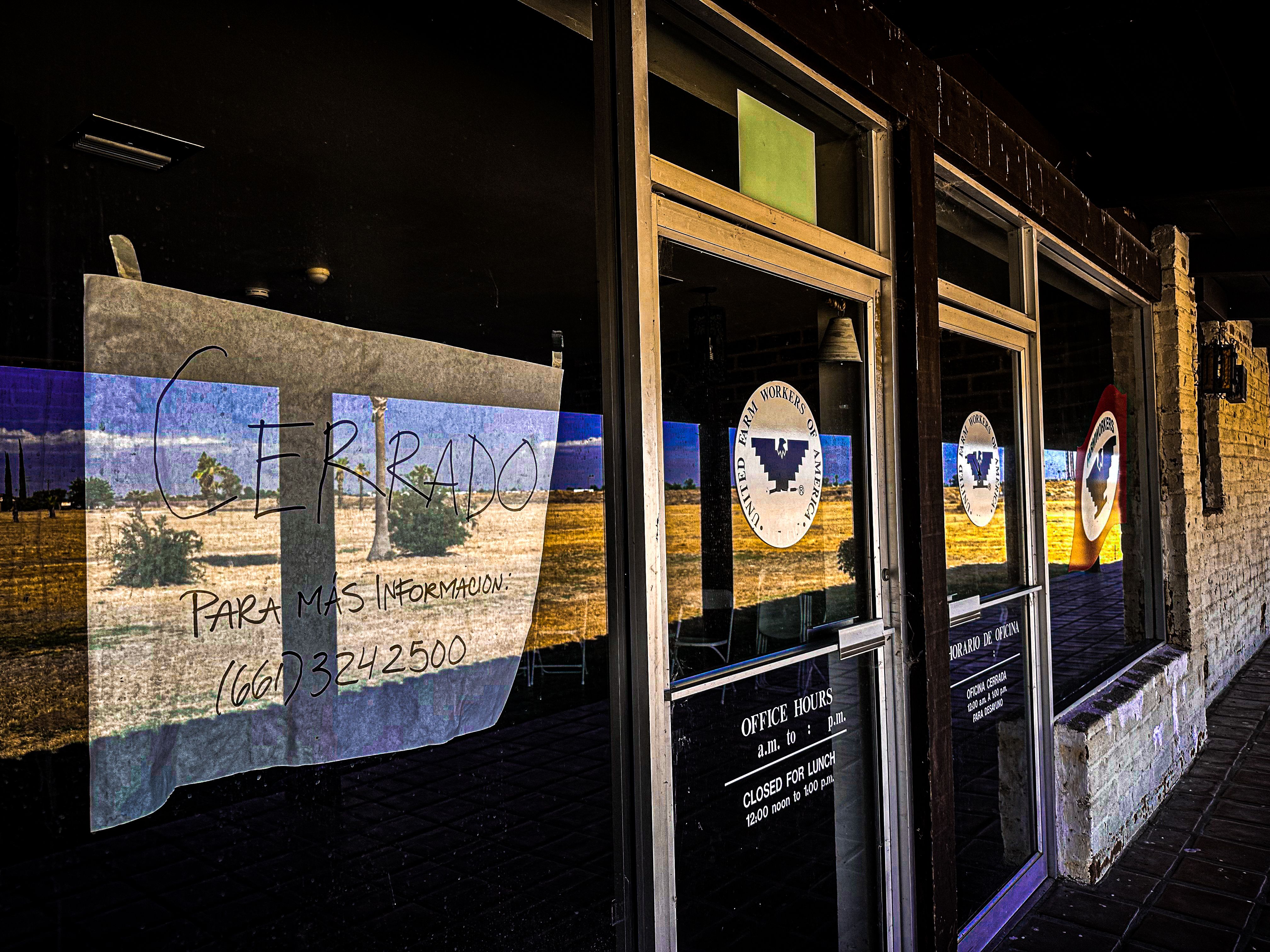
Between the lines: As union power has faded, so have some sites of historical significance.
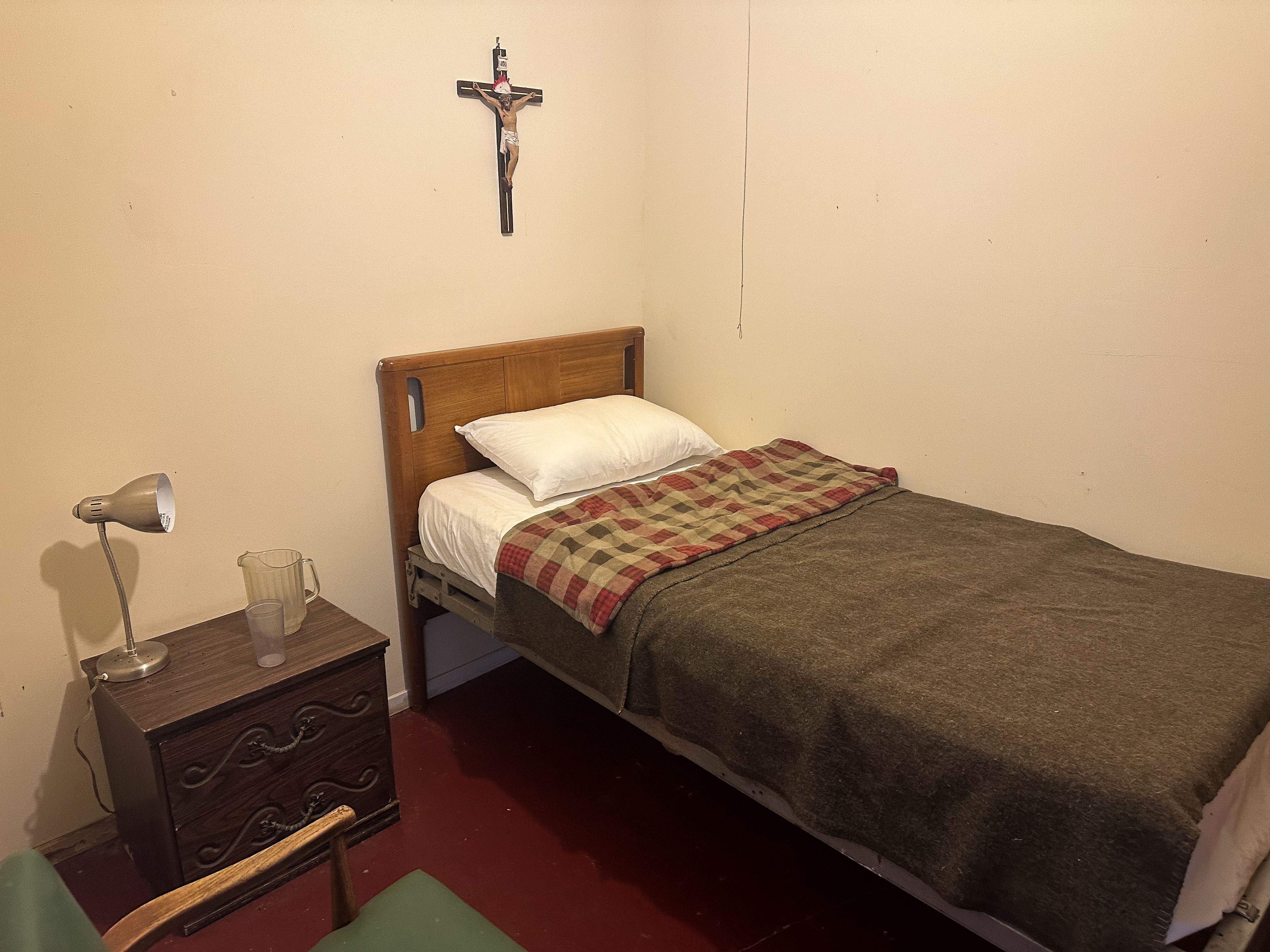
- A recent Axios visit to "Forty Acres," UFW's National Historic Landmark in Delano, California, where Chavez fasted, found no marker of the exact spot where Chavez broke his 1968 fast, though there were others.
- The farm workers' service center founded by the UFW was closed, and grape pickers told Axios that they couldn't remember the last time it was open.
Saul Ayon, the mayor of McFarland, California, who was born at the UFW Delano site in a clinic, says he worries the younger generation doesn't know the region's history.
- Ayon and Garcia also say that some Latinos today have become suspicious of some elected officials who promote that history but who failed to deliver as the region struggles with poverty and inequality.
- "Over the years, you've seen some of these entities take the Latino vote for granted," Alex Dominguez, a Bakersfield, California Republican whose grandparents attended Chavez events, tells Axios.
- "My grandparents were Democrats, but they saw how the local Democratic players operated here over the years. And now, even they are moderate Republicans."
Subscribe to Axios Latino to get vital news about Latinos and Latin America, delivered to your inbox on Tuesdays and Thursdays.
