CMS approves North Carolina medical debt relief plan

Add Axios as your preferred source to
see more of our stories on Google.
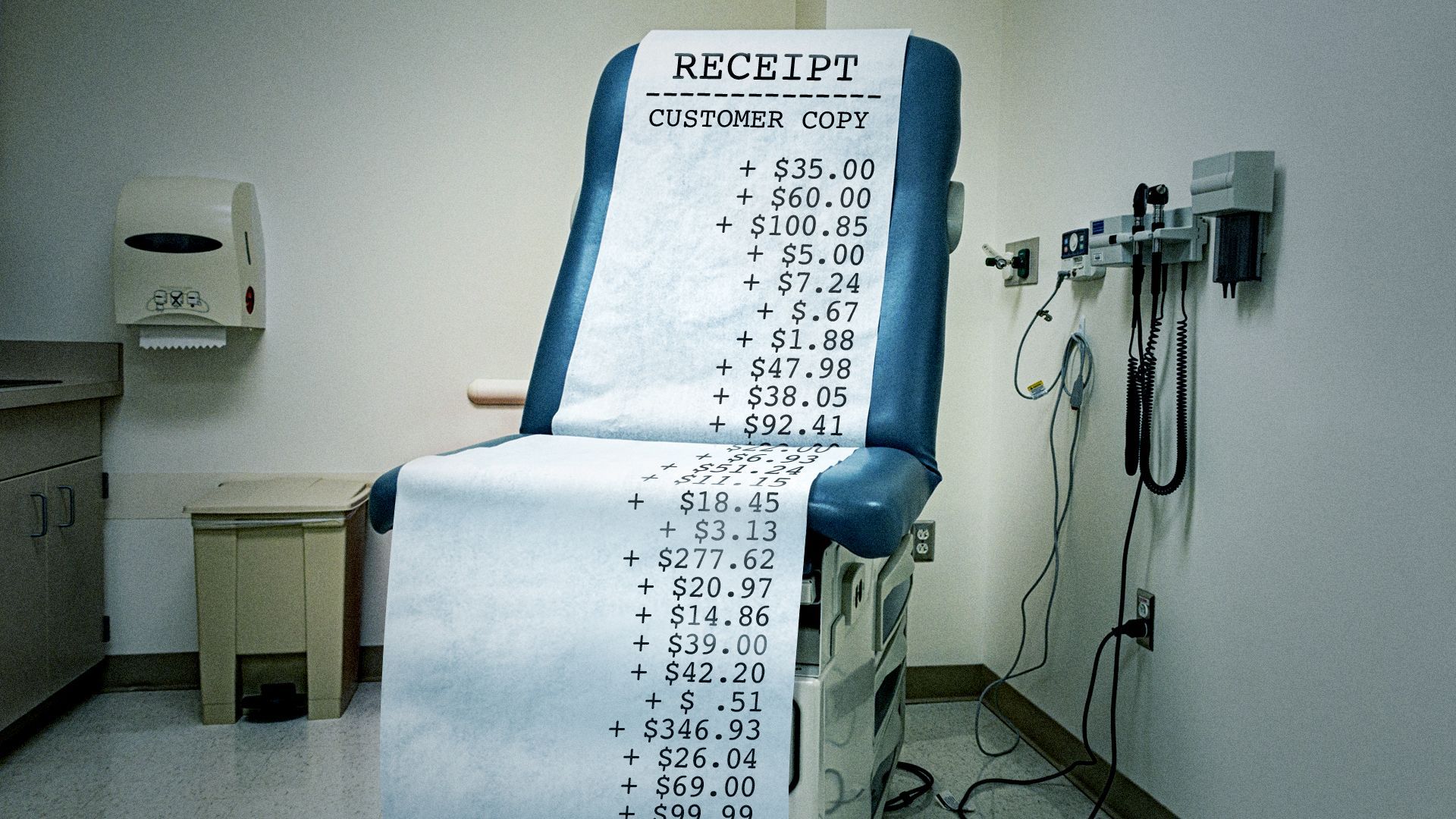
Illustration: Shoshana Gordon/Axios
The Biden administration on Tuesday said it signed off on a plan under which North Carolina will give hospitals additional Medicaid funds if they forgive the medical debt of approximately 2 million residents.
Why it matters: It's the latest administration move on an issue closely linked to Americans' broader economic concerns and comes on the heels of a separate proposal unveiled last month to wipe medical debt from 15 million people's credit reports.
State of play: North Carolina Gov. Roy Cooper (D) said the plan has the potential to relieve as much as $4 billion in existing medical debt dating back to the beginning of 2014.
- It would cover Medicaid recipients and individuals not enrolled in Medicaid with incomes at or below at least 350% of the federal poverty level ($109,200 for a family of four), or for whom total debt exceeds 5% of annual income.
- Hospitals receiving the extra funds would also have to agree to discount medical bills on a sliding scale for patients with incomes at or below 300% of the federal poverty level, or $93,600, and automatically enroll people into financial assistance, known as charity care.
- They also can't sell any medical debt for consumers with those incomes to debt collectors.
The big picture: North Carolina had the third-highest share of adults with medical debt on average among all states between 2019 and 2021 (13.4%), the Peterson Center on Healthcare and KFF reported earlier this year.
- Since then, the state expanded its Medicaid program to make another 600,000 residents eligible for coverage.
The intrigue: Vice President Kamala Harris has been a key driver behind the administration's medical debt initiatives and is expected to give the issue prominence in her presidential bid.
- KFF estimates that people in the United States owe at least $220 billion in medical debt. The White House says 11 million Americans have medical debt above $2,000, and 3 million Americans have debt over $10,000.
