What to expect from the Fed this week

Add Axios as your preferred source to
see more of our stories on Google.
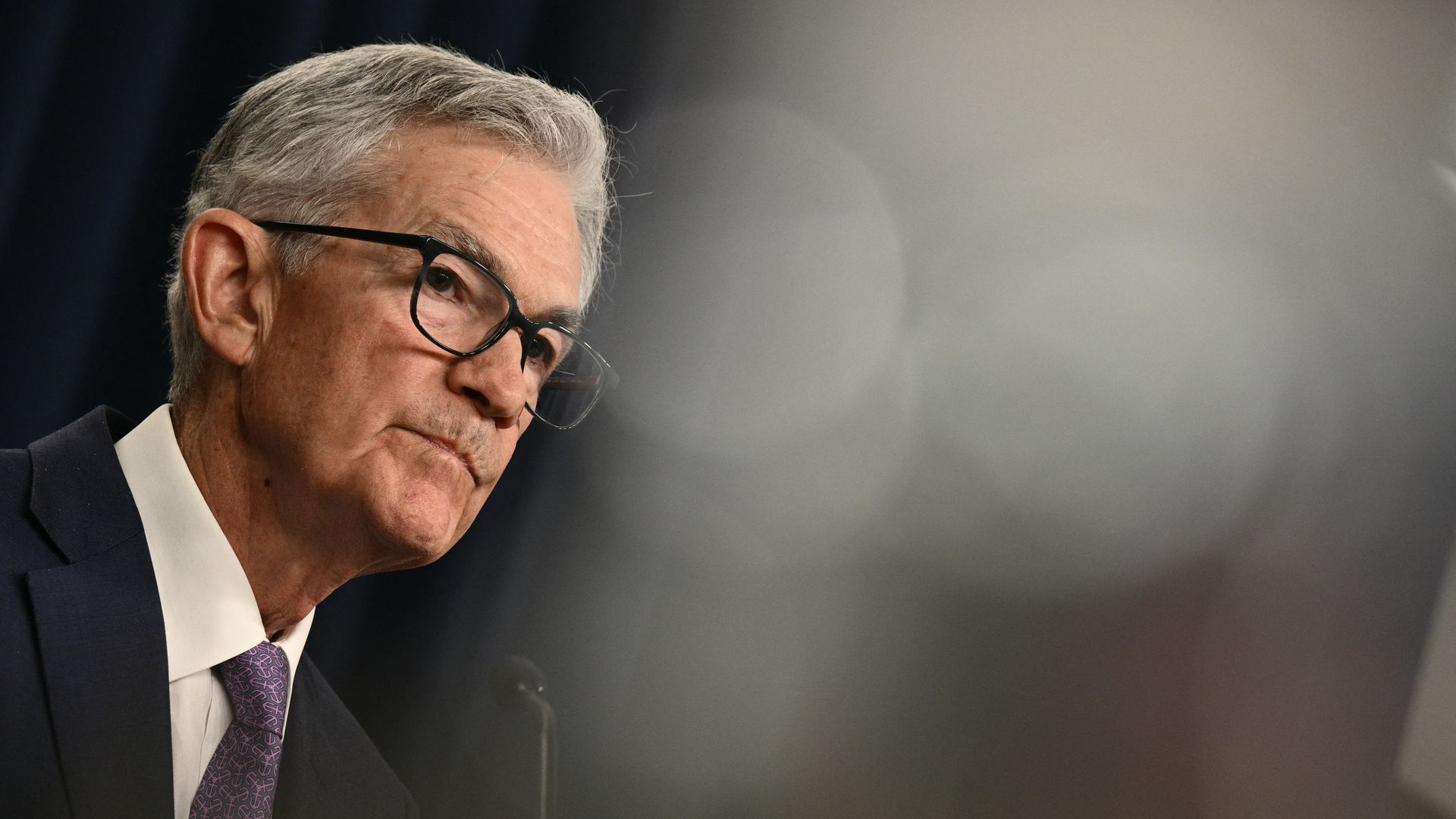
Federal Reserve chair Jerome Powell at a news conference in June. Photo: Brendan Smialowski/AFP via Getty Images
The Fed this week probably won't be too explicit about its plans over the next few months. But a close look at its communications will likely show new confidence that rate cuts are coming soon.
Why it matters: Throughout 2024, officials have said a rate cut would only come after either more proof of receding inflation or a job market slowdown. Recent data has pointed toward both, but the Fed looks set to wait a bit longer before lowering rates.
- "Waiting a month or so won't make that big of a difference, and it would give them more confirmation that some of the cooler inflation numbers are becoming more pervasive," Nationwide senior economist Ben Ayers tells Axios.
The intrigue: At their last meeting in June, officials were on a razor's edge between anticipating two rate cuts this year versus one. The data since then has pointed toward two rate cuts, which would imply pulling the trigger on one of them in September and another in December.
- But don't bet on the Fed pre-announcing those plans at the end of the two-day policy meeting on Wednesday afternoon.
The big picture: In recent weeks, top Fed officials said the risk that the central bank cuts rates too soon is about the same as the risk that it waits too long to cut.
- The median Fed official anticipated 2.6% inflation by year-end, according to projections released after last month's policy meeting. The Fed's go-to inflation gauge was slightly below that (2.5%) in June.
- Those projections also showed the unemployment rate would be 4%, lower than the current jobless rate.
Between the lines: The question now is whether the outlook has shifted in light of those figures. The CME's FedWatch tool, based on futures prices, shows almost 60% odds of three rate cuts by the end of the year — up from 18% last month.
- With near certainty, financial markets expect the first rate cut in September. But Fed chair Jerome Powell might not explicitly commit to such a move, preferring instead to evaluate the interim data — which includes two more inflation and jobs reports — before making that decision.
What they're saying: "Inflation has slowed and the policy rate is restrictive, which means it's likely to fall further. There's no reason to punish the economy more than necessary," says Steve Wieting, chief economist at Citi Wealth.
- The Fed's current policy is "an unnecessary weight on the economy and it runs the risk of breaking something," Moody's chief economist Mark Zandi says.
What to watch: Expect Powell to be quizzed about whether any officials saw a case for cutting rates sooner during the two-day policy meeting that concludes Wednesday.
- "Some of the more dovish Fed officials may, at the very least, make the case to cut rates at this meeting," Michael Pugliese, a senior economist at Wells Fargo, tells Axios.
- "And you might have hawkish members who say, 'Let's be patient.' You look across the board and there are plenty of signs the economy is OK," Pugliese adds, pointing to last week's solid GDP report.
- "The way to build a bridge between those two camps is to stay on hold now, but signal the base case is a September cut — assuming no upset with the data."
Editor's note: This story was corrected to reflect Steve Wieting is chief economist for Citi Wealth (not Citi Global Wealth).
