Secret Service director: We failed at “no-fail” mission

Add Axios as your preferred source to
see more of our stories on Google.
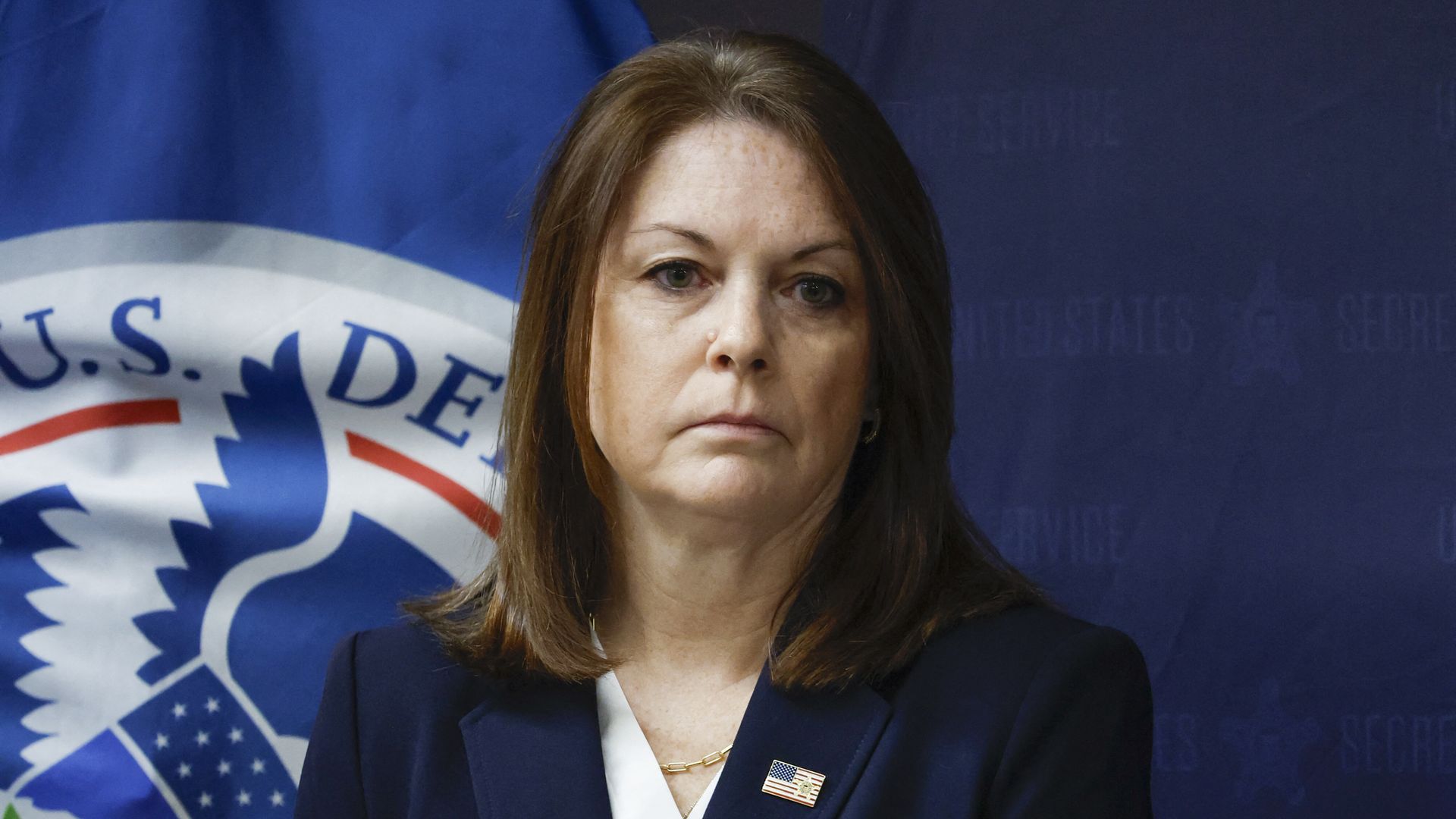
Service Director Kimberly Cheatle looks on during a press conference in Chicago on June 4 2024. (Photo by KAMIL KRZACZYNSKI/AFP via Getty Images)
U.S. Secret Service Director Kimberly Cheatle told House lawmakers that the agency "failed" at its "no-fail mission" to protect former President Trump.
Why it matters: Cheatle's comments during a Wednesday briefing for House members came hours after Speaker Mike Johnson (R-La.) called for her resignation and announced plans for a bipartisan task force to probe Saturday's shooting.
- "The Secret Service is responsible for a no-fail mission — this assassination attempt was a failure," Cheatle told members, a source on the call confirmed.
- "I acknowledge that there were mistakes and gaps. I have requested an internal review to determine what those gaps were," she continued.
- Officials are "not ruling out any possibilities, and we are exploring any and all avenues that determines if anyone else had knowledge or was involved in this attack," Cheatle told lawmakers.
Driving the news: Cheatle, Secret Service Deputy Director Ronald Rowe, FBI Director Christopher Wray and FBI Deputy Director Paul Abbate laid out law enforcement's latest findings, including that "no early evidence points to coconspirators," according to the source.
- Wray said federal agents had conducted "200 interviews, spent hours and hours processing the crime scene" and are "building out the picture of the subject to determine" motive."
Behind the scenes: Members questioned why increased measures weren't put in place after the U.S. reportedly obtained intelligence concerning an Iranian plot to assassinate Trump.
- Johnson raised concerns over whether information on the Iran threat was shared across agencies and with Capitol police, stating that intelligence "should have led ... to significant posture changes."
- "In the absence of information … people are coming up for pretty wild, wild conspiracy theories, " Rep. Dan Crenshaw (R-Texas) said on the call, a source familiar with his comments confirmed.
- "And that's not healthy," added Crenshaw, who voiced concern about the lack of publicly available information.
Zoom out: Senators received their own briefing Wednesday afternoon, with Republicans in that chamber also challenging the law enforcement response.
- Sen. Ron Johnson (R-Wis.) called the briefing "unbelievably uninformative," and said only four questions were allowed.
- Johnson, the ranking member of a Senate panel that deals with investigations, tweeted a copy of follow up questions he said he'd submitted, adding, "Not holding my breath."
- Sen. Rick Scott (R-Fla.) — who is running to become the next Republican leader of the chamber — called on Cheatle, Wray and Homeland Security Secretary Alejandro Mayorkas to hold a daily public press conference to address questions surrounding the shooting.
What's next: Johnson called for members to receive a classified briefing nest week from the Secret Service and the FBI.
- Multiple House committees launched investigations into the shooting before Johnson announced his plans to form a centralized task force.
- Some lawmakers want to see that group headed by a member of the House, while others would like it to be led by an outside official, two sources told Axios.
Axios' Stephen Neukam contributed to this story.
Editor's note: This story has been corrected to reflect that Sen. Johnson is the top Republican on a Homeland Security subpanel (not the ranking member of the Intelligence panel).
