Blue mind: Why we find the water peaceful

Add Axios as your preferred source to
see more of our stories on Google.
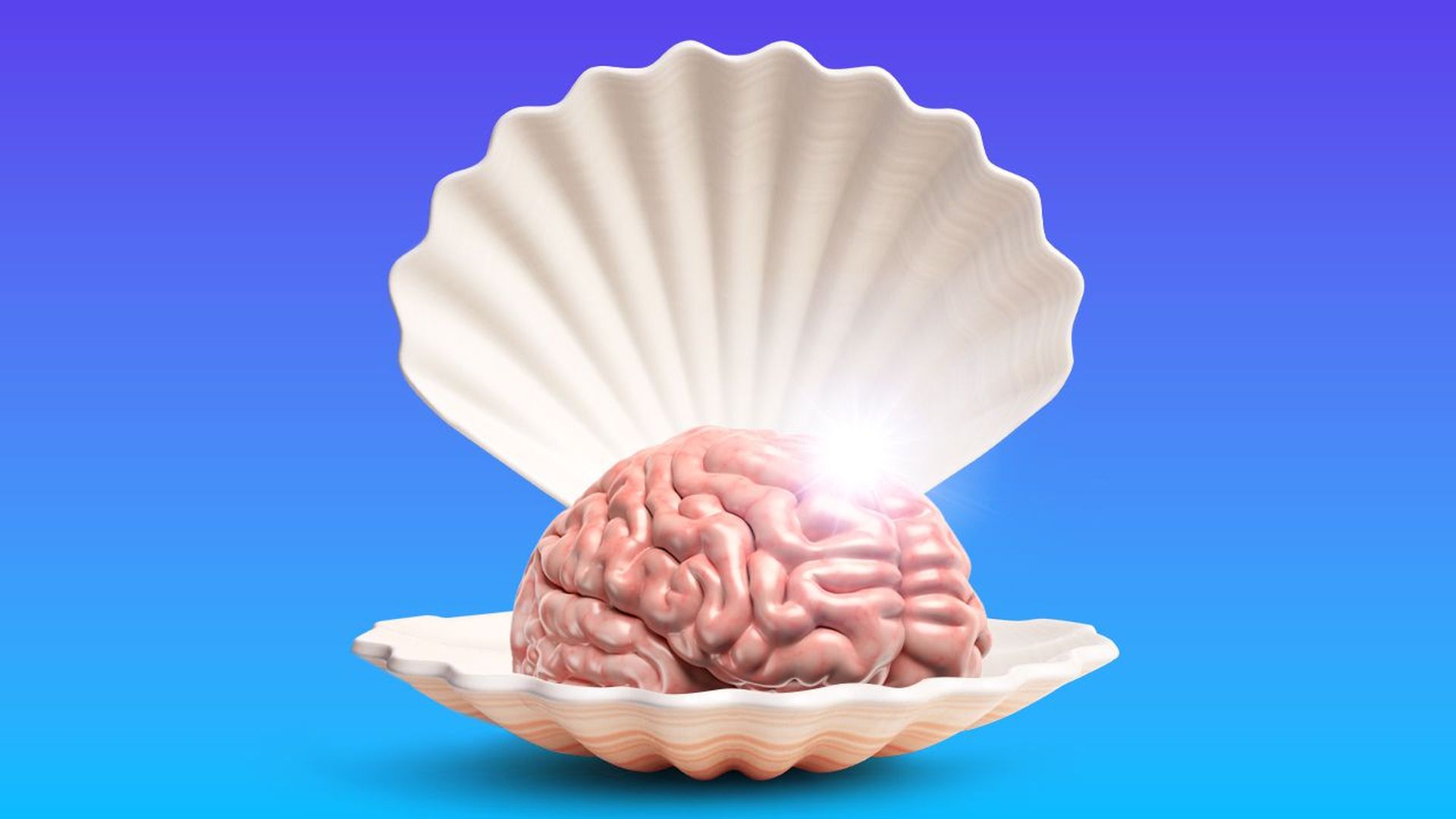
Illustration: Natalie Peeples/Axios
There's an expression for finding peace by the water: "blue mind."
Why it matters: Being on, in, or near water has a stress-relieving and creativity-boosting impact on the brain, research finds.
Between the lines: The blue mind concept originated with the late marine biologist Wallace J. Nichols, who's remembered for his work in science and conservation.
- In his bestseller "Blue Mind," he described the phenomenon as a "mildly meditative state" that's inspired by water and "takes advantage of the neurological connections formed over millennia" that are still being discovered via newer technology, including EEG and fMRI.

Case in point: Axios readers who sent us photos of the ocean, lakes, rivers, and even a pool said their favorite body of water "soothes the soul," "brings peace," "is my happy place," and "seems to align my internal rhythm to the universe."
- And there are endless examples of art that have been inspired by water, from poetry and novels to music and paintings.
Now, a growing body of research helps quantify the restorative power of the sea.
Less than two minutes of looking at water outdoors "is enough to activate the parasympathetic nervous system," and lower your blood pressure and heart rate, organizational psychologist Adam Grant writes, based on recent research.
- One possible explanation: "Since being attuned to visual cues for water helped our ancestors avoid dehydration, the mere sight of water can be a relief."
And living near water improves self-reported well-being, according to studies that adjust for age and socioeconomic factors.
- By some measures, being near blue spaces is even more beneficial than proximity to green spaces.
Even views of water through windows and artwork apparently help patients recover faster.
- In a survey of people recuperating from heart surgery, those who viewed an open-water scene had lower anxiety levels and needed less pain medication than those who looked at an abstract design, a blank white panel, or even a forest scene.
- In another study suggesting that natural environments reduce stress, researchers found that viewing an aquarium before oral surgery was more effective than hypnosis at inducing relaxation.
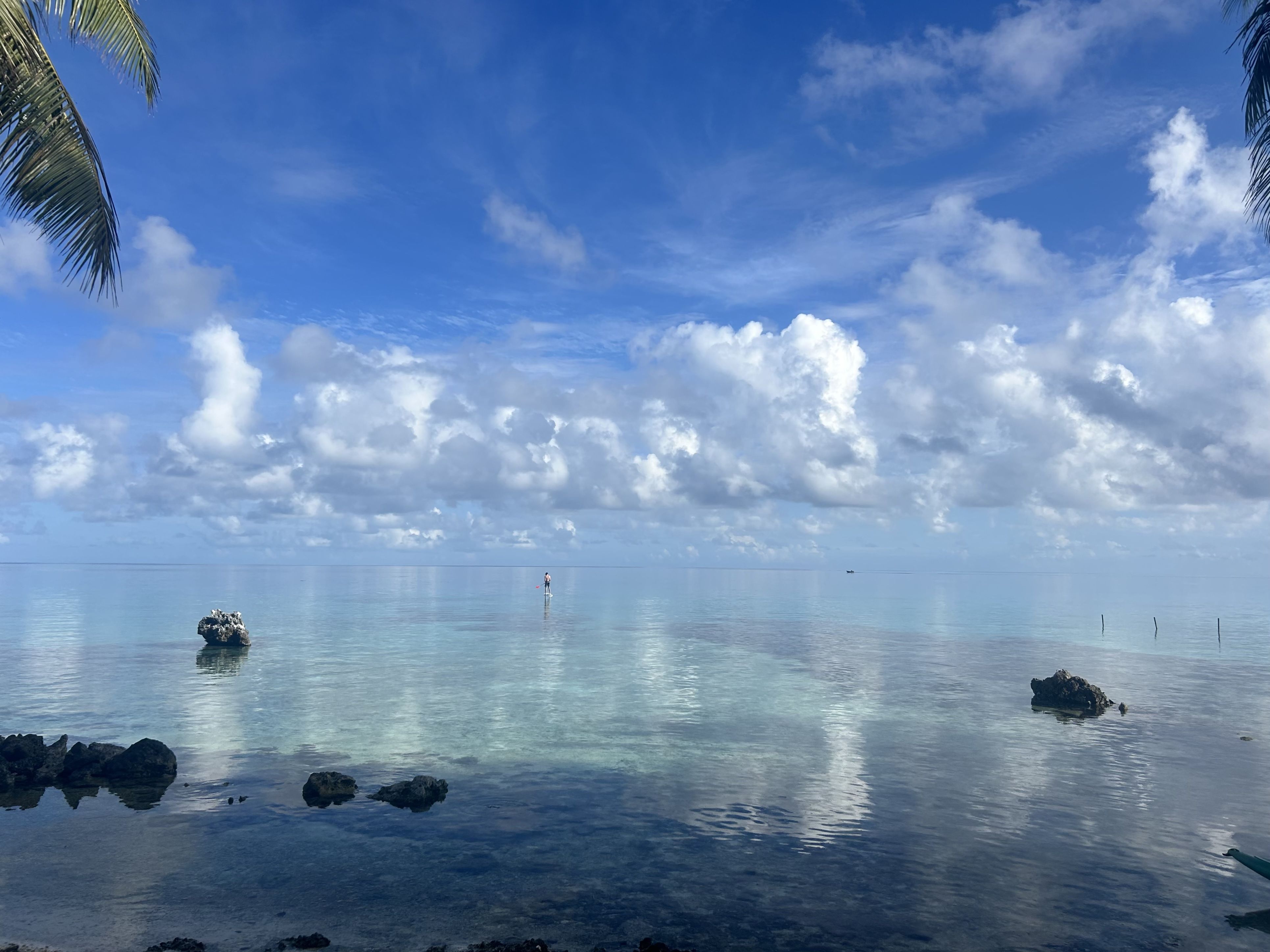
In "Blue Mind," Nichols wrote that the ocean is the antithesis of screens filled with notifications that lead to anxiety. Instead, water works as "the perfect recipe to trigger restful involuntary attention."
- "Think about it: Water is changing all the time, but it's also fundamentally familiar. It seems to entertain our brains nicely with novelty plus a soothing, regular background," he said.
💭 My thought bubble: I've long considered my mind blue because two of my favorite de-stressing activities are paddleboarding in the ocean and practicing yoga on a dock overlooking the water (doing a "flow," if you will).
- But now that I'm in my third trimester of pregnancy, I have a new favorite way to experience the calm of water: floating, as if in my own womb.
- I'm not the only one who could benefit from float therapy.
