Great ideas are great once

Add Axios as your preferred source to
see more of our stories on Google.
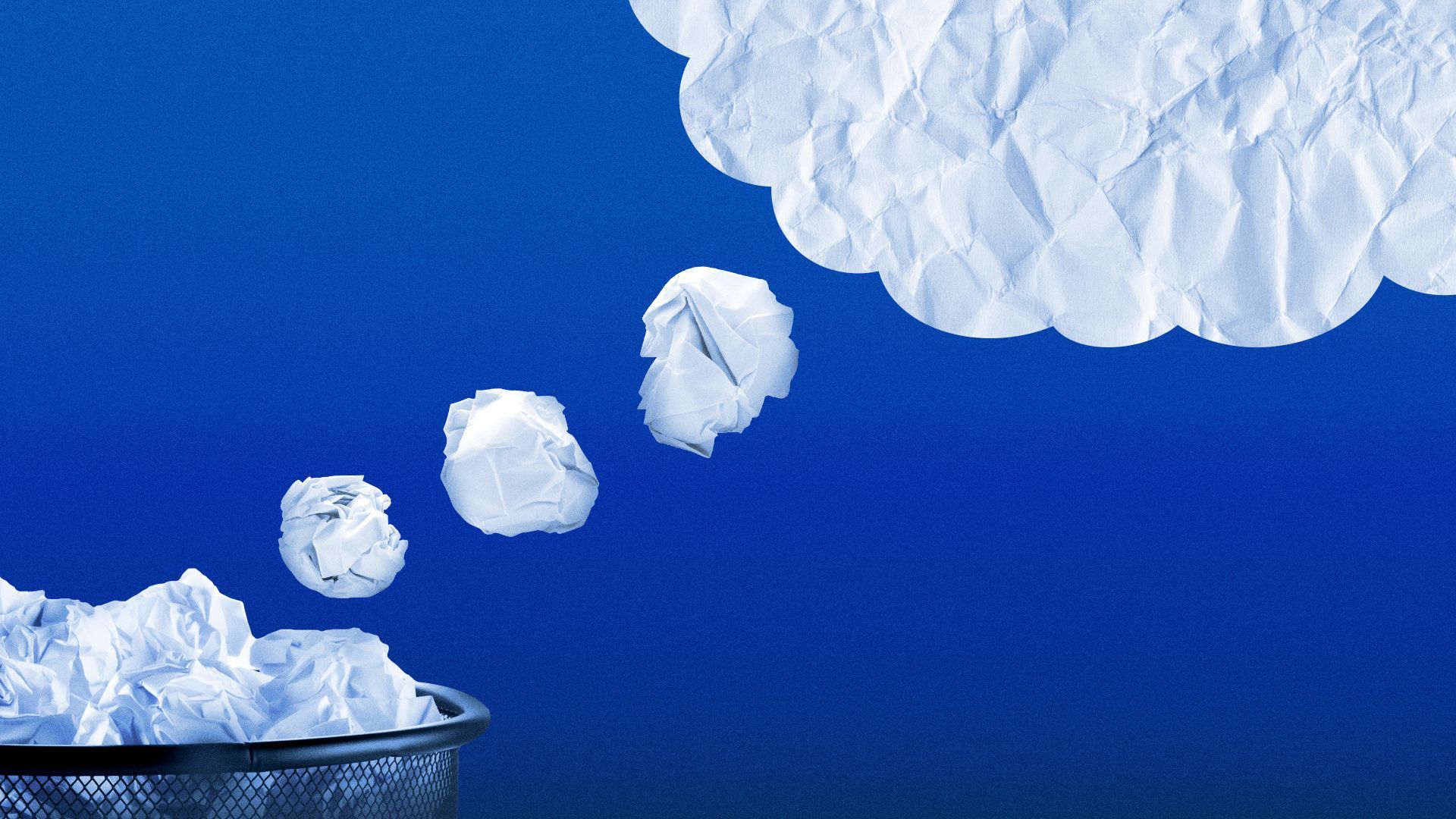
On the blockchains, a good idea is only a great idea one time.
- After that it becomes an OK idea, sometimes even a bad one.
Why it matters: Founders might be better off continuing to think about what's next to do, rather than copying existing models.
The big picture: Copying is a big thing in the crypto world, but it's seldom the case that the copycats do well. Much of the time, they waste loads of money, energy and community spirit.
The greatest example is Bitcoin. There can only ever be one Bitcoin. The engineering and the technology can be easily recreated, but Bitcoin had what might be called an immaculate conception.
- The crucial thing about its launch: Few people cared, and that made all the difference.
Zoom in: Bitcoin was able to grow slowly and organically, giving lots of people a chance to get in early with only a personal computer. Most chose not to, but they had a choice.
- (There's evidence that Satoshi made sure not to dominate the nascent network.)
In 2019, new cryptocurrencies came along, with a privacy focus but that — like Bitcoin — also distributed new tokens to people contributing computing power.
- One of them, known as Grin, kicked off with what one investor estimated to be $100 million of hardware churning away on the network.
- With Grin, it wasn't a choice. Normal people were crowded out from day one.
Sure, today, even Bitcoin is so big that it's all but impossible to earn bitcoin without a major capital expenditure. But early on, anyone could do it (see 5️⃣).
The latest: These days, creators of projects want to use their tokens to lock in their best users. They employ different strategies to do this, but a favorite is giving away tokens, also known as "airdrops."
- One of the most well-thought-of airdrops ever came from Uniswap in 2020, when it gave some tokens (what turned out to be over $300 worth) to everyone who had ever even used its decentralized exchange.
- It was the blockchains' feel-good moment of the year.
Yes, but: Now people expect giveaways. Once a project looks like it's begun to hit escape velocity, users will start making guesses about what kind of behaviors they might reward.
- Then they will use bots to fake lots of that behavior.
- Projects have gone way out of their way this year to catch fake behavior or make their airdrops unattractive to bot farms.
The impact: Both approaches have left users and teams frustrated.
Worth your time: On the "Unchained" podcast, LayerZero CEO Bryan Pellegrino discusses his strategy of chasing the bots, admitting it burned way more of his team's time than he expected.
Even in the world of NFTs, we saw a rash of copycats through the boom times.
- During 2021, there was a huge array of animal-related collections. The formula was the same, ADJECTIVE + PLURAL ANIMAL, with generative art.
- Bored Apes. Pudgy Penguins. Lazy Lions. Cool Cats. Sappy Seals. You get it. Returns diminished quickly.
The bottom line: There are more examples we could give, but, in short, just because some good ideas can be copied, that doesn't mean they should be.
