Immigration surge projected to boost growth over next decade, CBO says

Add Axios as your preferred source to
see more of our stories on Google.
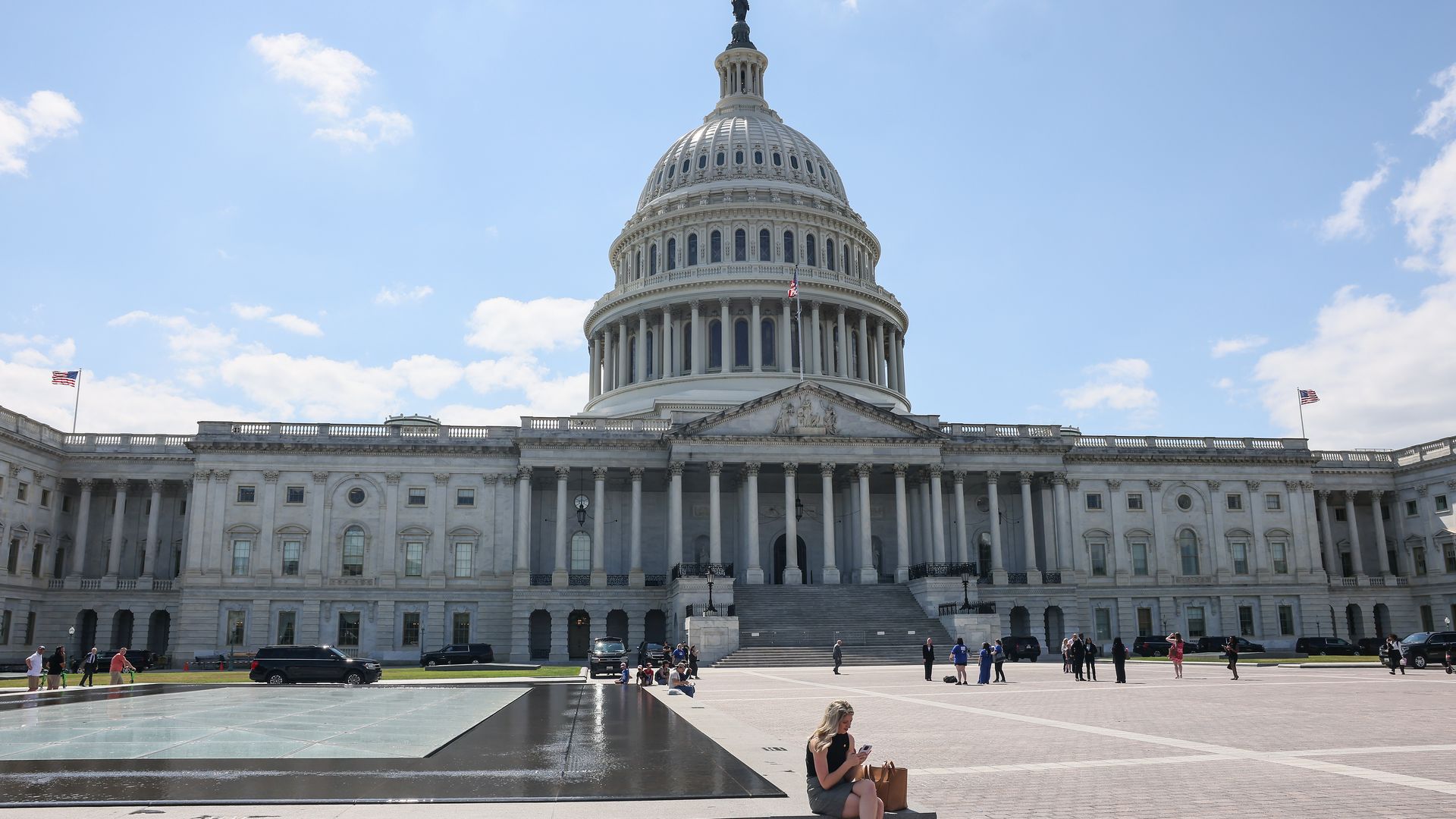
Photo: Jemal Countess/Getty Images via Court Accountability
Increased immigration to the U.S. is expected to drive higher economic growth and labor supply, grow federal revenues and shrink deficits over the next 10 years, according to new Congressional Budget Office estimates on Tuesday.
Why it matters: Immigration is a central issue for the 2024 presidential campaign, and the nonpartisan agency's forecasts demonstrate the considerable impact to the nation's economy from the surge in foreign workers.
By the numbers: The CBO's latest budget and economic outlook projects the net immigration of those without work authorization is on track to be 8.7 million greater than previously forecast from 2021 to 2026.
- The CBO estimates the surge would cause GDP to be almost $9 trillion higher over the coming decade than would otherwise be the case.
- It will also push interest rates up by 0.1 percentage point in 2034.
What they're saying: "Those increases in GDP and interest rates are key drivers of projected increases in federal revenues and spending related to the [immigration] surge," CBO Director Phillip Swagel said in a statement.
- Accounting for immigrants in the estimated surge and their children, the jump in immigration rates lowers deficits by $990 billion over the 2024-2034 period, while federal revenues are higher by $1.2 trillion.
The CBO says its estimates are highly uncertain. The agency's estimates reflect legislation enacted through May, though subsequent actions would not significantly shift the projections, the agency says.
- Earlier this month, the Biden administration issued an executive order preventing unlawful immigrants crossing the Southern border from seeking asylum.
- The Republican party led by former President Trump is campaigning on harsh immigration restrictions.
The big picture: Some of the nation's leading economic policymakers, including those at the Federal Reserve, partly attribute the easing of worker shortages to an upswing in immigration rates.
- "We've seen labor force supply come up quite a bit through immigration and through recovering participation," Fed chair Jerome Powell said last week. "That's ongoing, mostly now through the immigration channel."
- In its report, the CBO cites research that shows immigration has historically raised federal revenues more than it did costs. The agency suggests that might still be the case but underscores uncertainty about that.
Zoom in: Overall, the U.S. budget outlook is still bleak. Deficits are expected to jump from an estimated $2 trillion in 2024 to $2.8 trillion ten years later.
- That means that by 2034, the deficit will amount to almost 7% of GDP — much higher than the 3.7% averaged over the past 50 years.
- Debt held by the public will increase from 99% of GDP this year to 122% in 2034—the highest on record.
The intrigue: Next year, interest costs are expected to be a greater share of GDP than any point since the CBO began reporting data in 1940.
- The CBO upped its short-term interest rate projections for 2024 since its last projections were released in February.
- The CBO "expects that in early 2025, the Federal Reserve will respond to slowing inflation and rising unemployment by lowering the federal funds rate, which affects interest rates throughout the economy," according to its report.
- The agency also increased projections for economic growth and inflation since its previous report. It cut projections for the unemployment rate.
Editor's note: Story updated with a link to the CBO report.
