FDA probes safety of CAR-T therapies

Add Axios as your preferred source to
see more of our stories on Google.
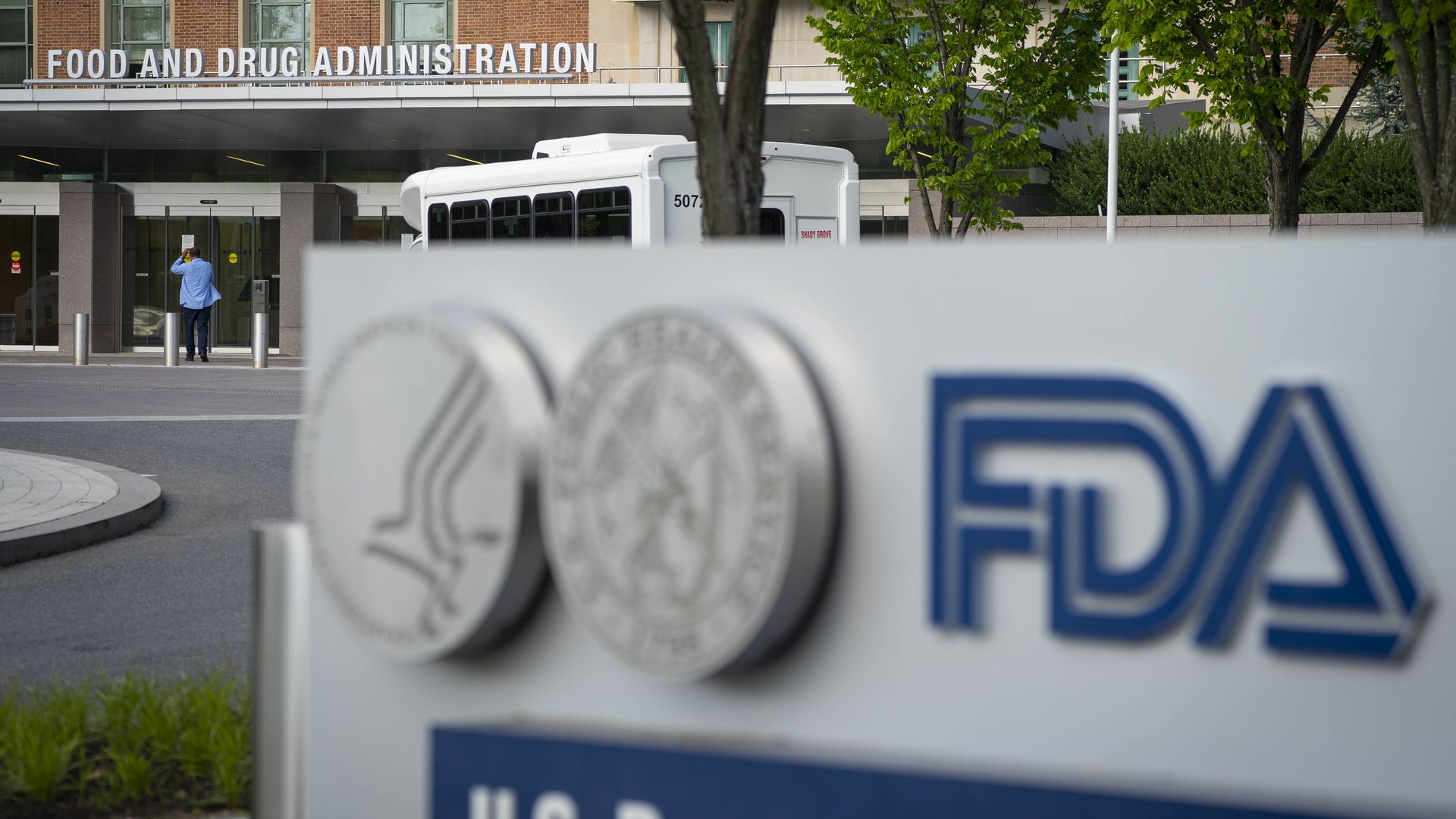
Photo: Sarah Silbiger/Getty Images
The Food and Drug Administration is investigating whether CAR-T immunotherapies can cause lymphoma in some patients after it received reports of serious adverse events in clinical trials and post-marketing studies.
Why it matters: The pricey treatments have been touted as potential life-savers for the way they can reprogram a patient's immune cells to attack cancer cells.
- But they carry the risk of secondary cancers, which prompted the FDA to include a warning in prescribing information and to require 15-year safety studies upon approval. The first CAR-T treatment was approved in 2017.
What they're saying: "Although the overall benefits of these products continue to outweigh their potential risks for their approved uses, FDA is investigating the identified risk of T cell malignancy with serious outcomes, including hospitalization and death, and is evaluating the need for regulatory action," the agency said on Tuesday.
Details: Regulators said the risk is connected to all six approved CAR-T treatments: Bristol Myers Squibb's Abecma and Breyanzi; Johnson & Johnson and Legend Biotech's Carvykti; Novartis' Kymriah and Gilead's Tecartus and Yescarta.
- The FDA said it received reports of T-cell malignancies, including including lymphoma in the reengineered cells.
- The agency received 19 reports since its first approval of CAR-T therapies, including 14 from the agency's adverse event system, Endpoints News reported.
- Certain gene therapies like CAR-T use viral vectors to reengineer the body's cells to attack cancer cells. They've worked well in blood cancers because the target may be more accessible than in solid tumors.
- But they still carry the risk of "off-target" edits that focus on the wrong genetic sequence and could increase the risk of developing another cancer.
