A California listening tour looks for solutions to poverty

Add Axios as your preferred source to
see more of our stories on Google.
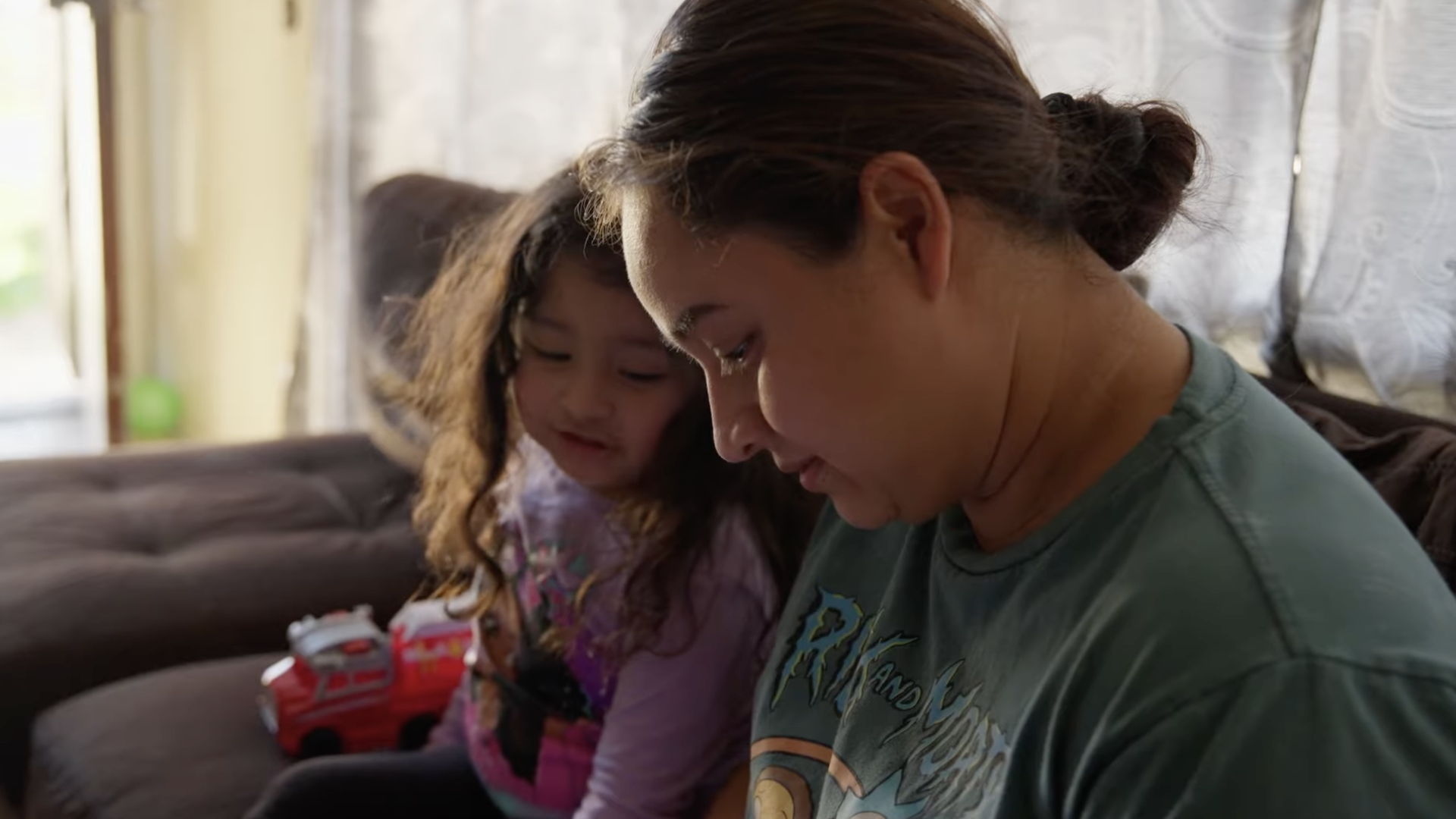
Paloma Sanchez, an undocumented single mom in Fresno, Calif., reads with her 7-year-old daughter. Photo: Courtesy of End Poverty in California
Michael Tubbs, the former mayor of Stockton, Calif., who became a progressive hero during the Trump presidency only to lose his reelection bid, has shifted his focus to policy solutions around income inequality.
Driving the news: End Poverty in California (EPIC), founded by Tubbs, is in the middle of a multiyear listening tour of the state's 58 counties to hear directly from residents struggling with poverty.
- It comes as states like Alabama and New Mexico, two of the nation's poorest, also work to tackle poverty.
The big picture: Influenced by New York Sen. Robert F. Kennedy's "poverty tour" of the 1960s, EPIC is collecting stories and crafting legislative proposals aimed at tackling barriers to upward mobility. The group hopes its proposals will be models for other states.
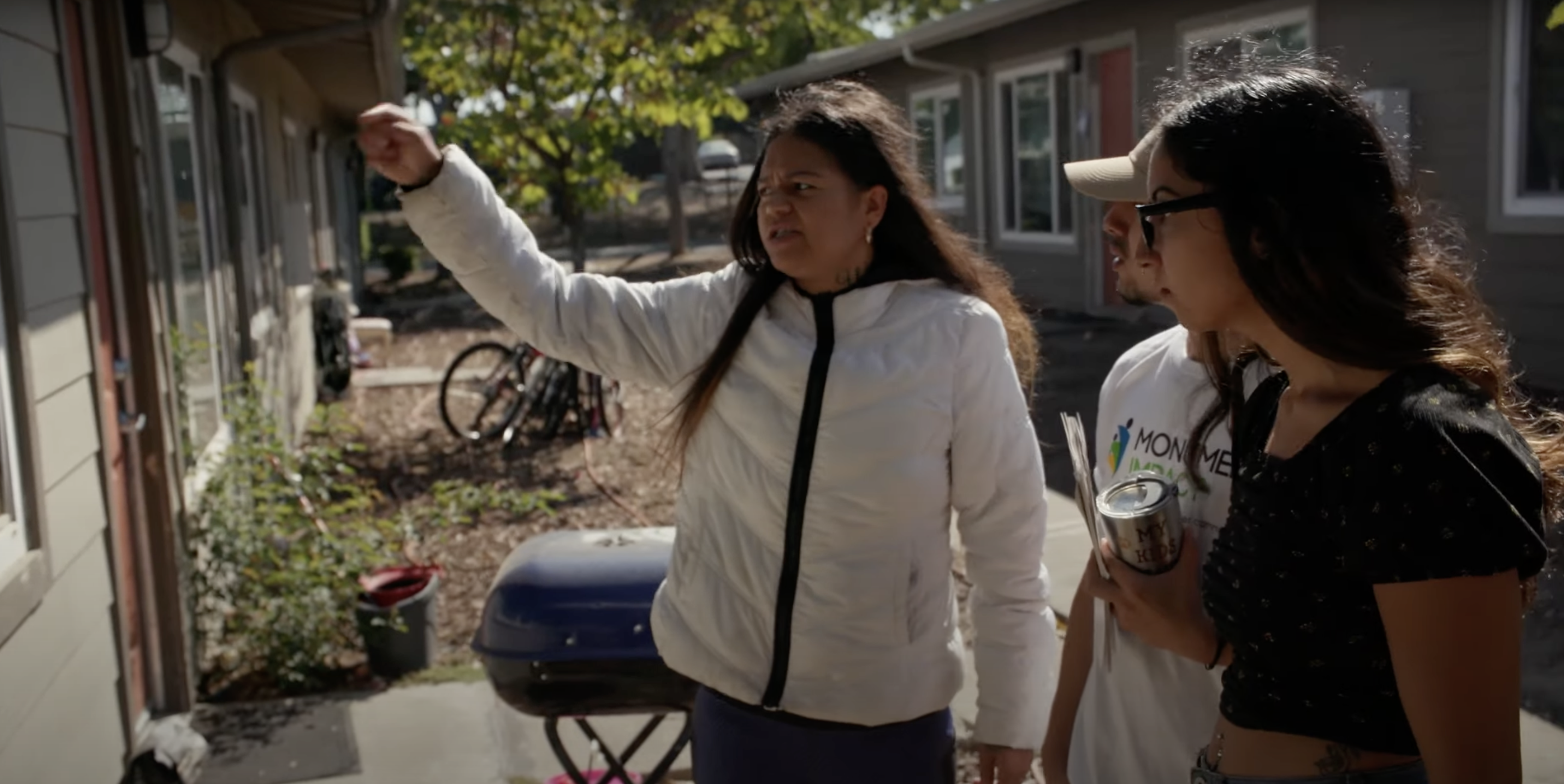
Details: Tubbs started the listening tour last year by visiting a group of formerly incarcerated women in Los Angeles, undocumented immigrants in Fresno, and evicted Black and Latino residents in Antioch.
- Residents at town halls told Tubbs and EPIC staff about troubles getting jobs, the lack of access to credit and out-of-control rents.
- Some showed EPIC staff apartment conditions with human feces in yards because of poor plumbing and landlords refusing to fix damages.
- Others told EPIC about their desires to return to school or open small businesses but how they felt overwhelmed by rising debt and burdensome "poverty taxes," such as parking tickets and eviction fees.
Zoom out: California's poverty rate is 12%, a decline from roughly 15% in 2010. The nation's overall poverty rate is 11.5%.
Yes, but: Nearly 15% of California's Hispanic residents were living in poverty in 2022. Latinos make up about 40% of the state's residents.
- About 13% of Black Americans in California live in poverty.
The intrigue: Since starting the listening tour and gathering stories, EPIC has helped move several proposals through the California Legislature by providing testimonies and organizing rallies.
- The group supported a recently signed bill by Gov. Gavin Newsom that strengthens eviction protections for renters and closes a loophole allowing landlords to circumvent the state's rent cap.
- EPIC helped pass the "Yes In God's Backyard" (YIGBY) law, allowing religious institutions or independent institutions of higher education to build a housing development project on their property "by right."
- The group also strongly backed a new law that increases the paid sick time employees can receive and use each year from three days or 24 hours to five days or 40 hours.

What they're saying: "I think a lot of advocates found this year challenging because of the budget shortfall. Even if it's not super transformative, we're putting points on the board," EPIC president Devon Gray tells Axios.
- Gray says EPIC still has many fights ahead, like pushing a bill that would reform some of the penalties for unpaid parking tickets, including eliminating vehicle tows, changing the registration-hold policy, and improve parking ticket payment plans.
- He said many low-income housing complexes lack parking spaces and are located near parking meters, which drives up the cost of living. "It just traps people further into debt and poverty."
Zoom out: California last year became the first state to commit to setting up trust funds for children who lost a parent or caregiver to the pandemic, a law EPIC backed.
- The program primarily targeted children in foster care and was aimed at helping them out of poverty through "baby bonds."

Of note: California is not the only state where advocates embark on listening tours to gather stories and help craft proposals to tackle poverty.
- Alabama Possible in Alabama, another state Kennedy visited during his poverty tour, convinced state lawmakers to help more high school students fill out college aid applications.
- The group also helped vastly increase grants for older residents who hadn't finished their college degree programs to return to school.
