Axios Finish Line: Learn to be a sponge

Add Axios as your preferred source to
see more of our stories on Google.
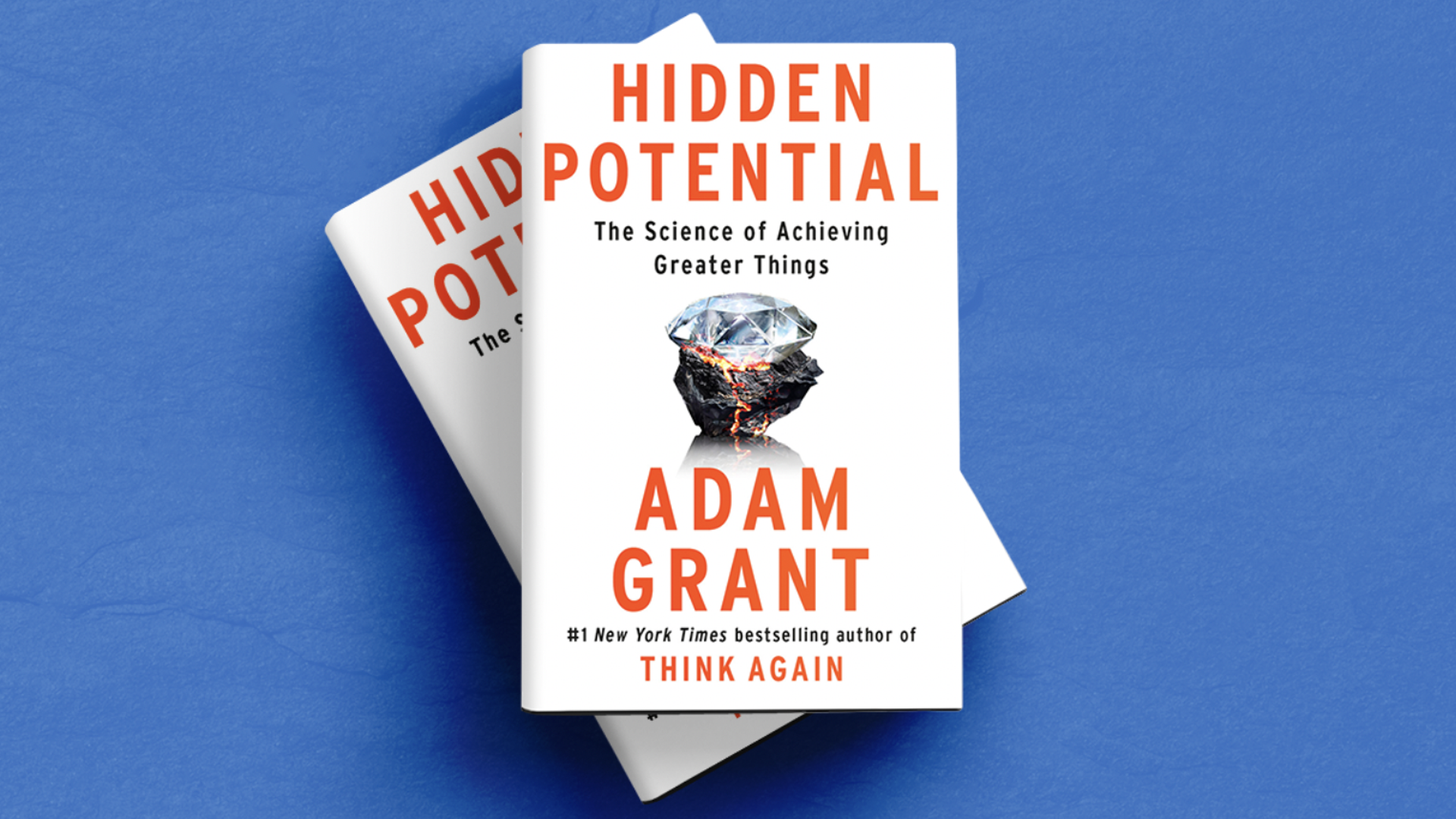
Cover: Viking
Stop trying to soak up everything you see online or hear from friends. You'll drown.
- Instead, learn to be a sponge — a finely filtered one.
Why it matters: A sponge mindset, Adam Grant argues in his new book, "Hidden Potential," will help you absorb the right information — and save you time.
It's not the quantity of information you vacuum up, "but the quality of information you seek out," writes Grant, an organizational psychologist at Penn's Wharton School. "Growth is less about how hard you work than how well you learn," he says.
- Grant's book, which is worthy of your time, explores unconventional or underappreciated ways seemingly ordinary people do extraordinary things.
The sponge concept popped out to both Mike Allen and me as particularly actionable and applicable.
- One thing we learned while building Axios — then writing our "Smart Brevity" book — was how much better we're getting at learning more, faster, as our brains focus on sifting through stories and sources to spot what matters most.
So how do you shape and sharpen your own sponge mentality?
- Hunt for it. You need to stalk new ideas, perspectives and skills. Grant calls it growing your "absorptive capacity" — the ability to find new stuff in unusual places that makes you wiser. I often do this by listening to competitors on podcasts, or emailing someone who said or wrote something that grabbed my eye.
- Be eyes wide open. The smartest people, or top-tier experts, are often your worst target for learning. They're too removed from the basics of a topic to explain it in the detail you need. Grant suggests finding different sets of "guides" on different topics so you can pick their brains for applicable patterns and nuggets. One hack: "Ask them to retrace their route" to jog their memories for specific steps that might benefit you.
- Filter it. A sea sponge naturally absorbs and filters as it grows. Same for us. Social scientists find the best filter is squeezing out maximal knowledge to grow or challenge yourself, not feed your ego. A good test: Are you sharing something to show off — or showing something you're genuinely jazzed to pass along?
- Teach it. Grant says meta-analysis of education research shows students who tutor others do much better themselves. The more they taught, the better they did — the "tutor effect." Anyone can practice this with kids or colleagues.
- Coach others. Teaching, he argues, sharpens competence — but coaching elevates your confidence: "The coach effect captures how we can marshal motivation by offering the encouragement to others we need for ourselves. By reminding us of the tools that we already possess, coaching others raises our expectations of ourselves."
The big picture: The through-line for Grant, a prolific professor who has sold millions of books, is raising your game — bouncing back, paying it forward, making more of what you have, soaking it in.
Go deeper: More on the book
