Why 'Game Over' is the best part of the game

Add Axios as your preferred source to
see more of our stories on Google.
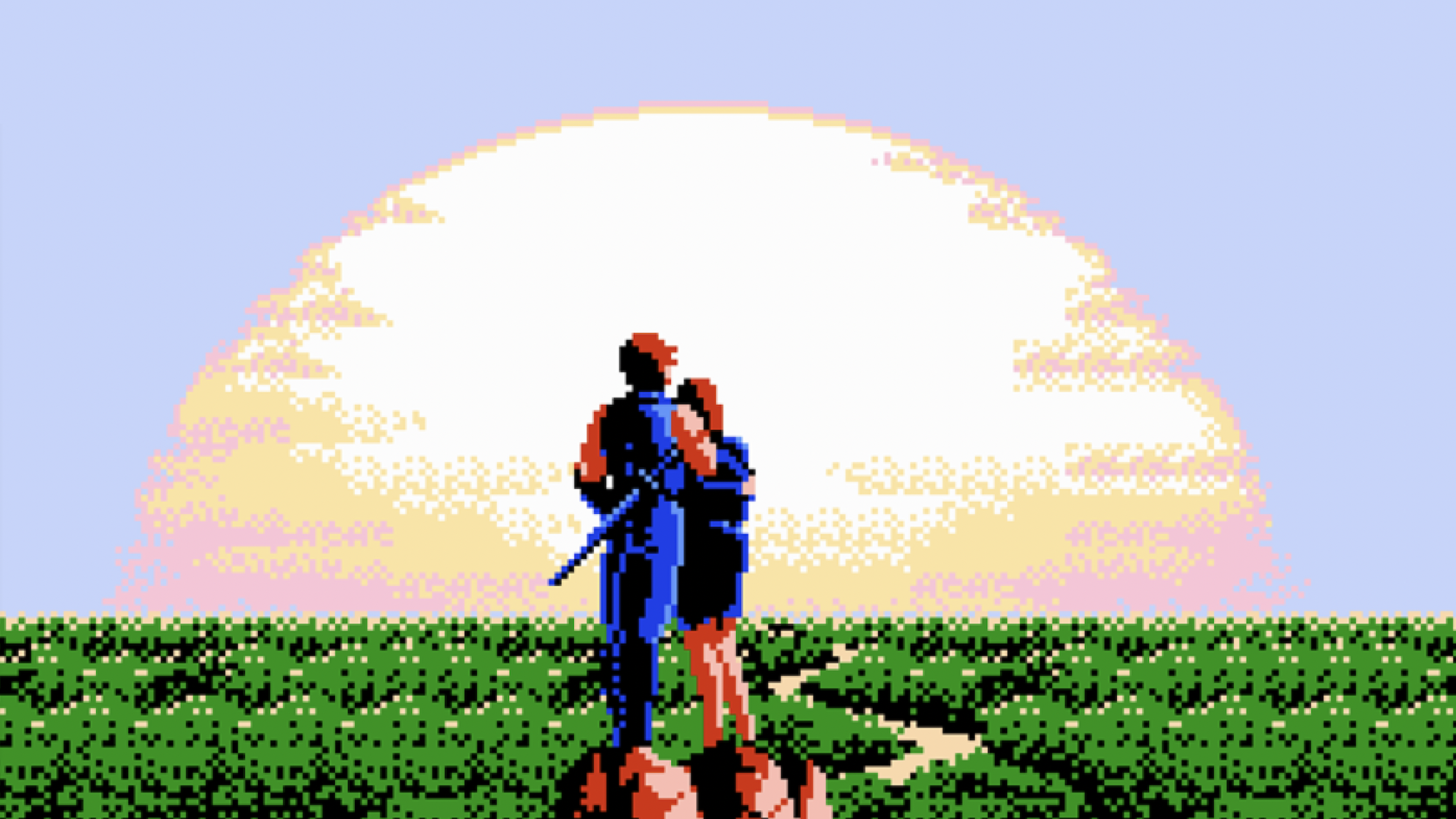
A scene from the end of Tecmo's Ninja Gaiden. Credit: "NES Endings Compendium Vol. 1: 1985-89"; Tecmo
Rey Esteban, a lifelong video game endings obsessive, presents and analyzes 248 game finales in "NES Endings Compendium Vol. 1: 1985-89," a newly expanded book that offers a visual history of some of the least-seen parts of old video games.
Why it matters: While there's no data on how frequently players of classic games saw how their adventures end, even modern games, which tend to be easier, often go uncompleted by players.
Be smart: "NES Endings Compendium Vol. 1: 1985-89," was primarily written and compiled by Esteban, who first started recording his favorites with a VCR in the 1990s.
Details: For more than 20 years, Esteban has operated an online repository of ending screens called the VG Museum, digitally stuffed with images and end screens from more than 7,400 games across more than 60 systems.
- Disclosure: Esteban interviewed me for a short section in the book; I first covered his interest in endings in 2006.
What they're saying: "I've always liked to collect things," Esteban tells Axios, recalling that he loved finishing games he borrowed from neighborhood friends and would add them to a handwritten list.
- "I guess that was my way of 'collecting' my memory of beating a game," he says. (He still has that list.)
- Then came the VCR and eventually a computer to record endings. Now he's offering a book for people interested in seeing a glossy printing of the end of any NES game, be it Bionic Commando or The 3 Stooges.
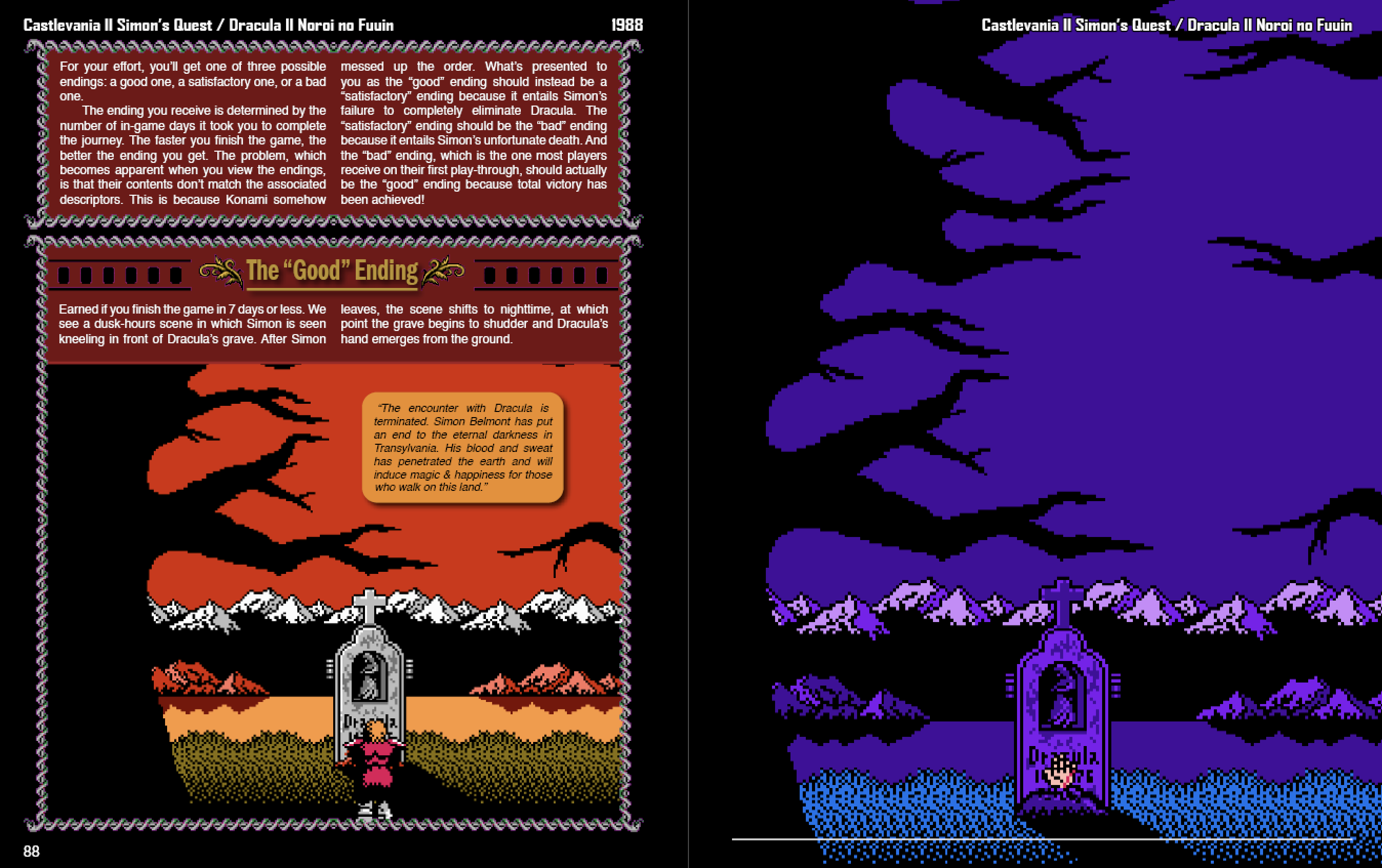
Between the lines: Esteban's book of endings, most of them just a few static screens filled with graphics or text, show what developers were able to cram into game files smaller than 1MB. They also demonstrate the narrow range of fantasies inherent to so many early gaming adventures.
- There are abundant congratulatory notes. In Pitfall: "Perfect Congratulation." In Zanac A.I.: "Congratulations: You are the messiah."
- Many end with the hero, usually a guy, "getting a girl." Then there's also Nintendo's Metroid, in which, if players are speedy, the final screen reveals: You, the armored warrior, are a woman. (Take too long to finish, and she keeps her helmet on and you never know.)
- Games made in Japan often had tweaked endings for their Western release, losing a scene (Contra), the credits (Castlevania II) or a teaser for a whole other game (Bomberman).
The bottom line: What may have originally been afterthoughts received more attention as years went by.
- "I think some developers really did put care and thought by having multiple endings or having unique ending graphics," Esteban says.
- He's impressed with the endings from the 1990s, which he hopes to showcase in a future book.
Editor's note: This story was corrected to reflect that the VG Museum has images and ending screens from more than 7,400 games across more than 60 systems (not 14,000 games across 50 systems).
Sign up for the Axios Gaming newsletter here.
