Axios AM

May 05, 2026

1 big thing: AI forces Trump's heavy hand
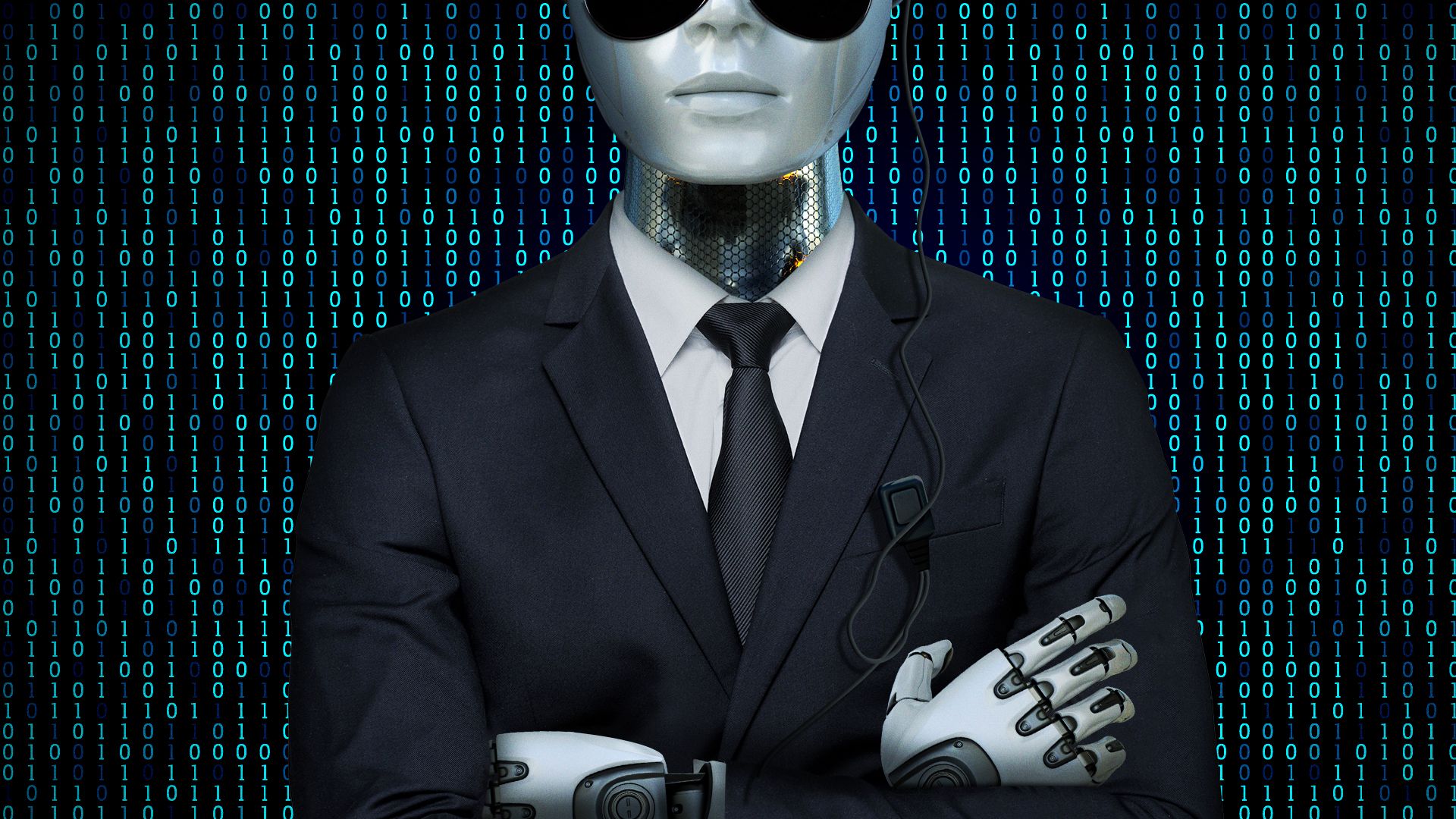
President Trump set out on his first day in office to free AI from government constraints.
- 15 months later, his own White House is preparing to become a gatekeeper for the most powerful new models on Earth, Axios' Zachary Basu, Sam Sabin and Ashley Gold write.
Why it matters: AI has crossed a threshold that no administration — not even one ideologically committed to staying out of its way — can afford to ignore.
- It's a sea change in both Silicon Valley and Washington, accelerated by a new class of models that can hunt down cybersecurity flaws with extraordinary speed and precision.
- Anthropic's Mythos, withheld from public use due to safety concerns, was the first model to trigger panic. But with OpenAI's GPT-5.5 now matching its capabilities and Chinese labs racing to catch up, it won't be the last.
✒️ Driving the news: The White House is weighing an executive order that would give the federal government a formal role in vetting all new AI models before they hit the market, the N.Y. Times reports (gift link).
Behind the scenes: Sources at top AI companies tell Axios they're cooperating with the White House's new effort.
- The Trump administration recognizes the fast-growing capabilities of the models, and the labs recognize the need to partner with the government to avoid more draconian steps.
- The White House push could result in an agreement within weeks, according to sources involved in the conversations.
- The leading labs say they want to work with the government to help get the cyber defensive tools into the hands of cyber defenders more quickly.
The bottom line: The White House still sees beating China in the AI race as an existential priority and views regulation with deep skepticism.
- But breakneck advances in the AI landscape have forced even the administration's most committed deregulators to concede there are exceptions.
2. 🔴 Black voters shift right
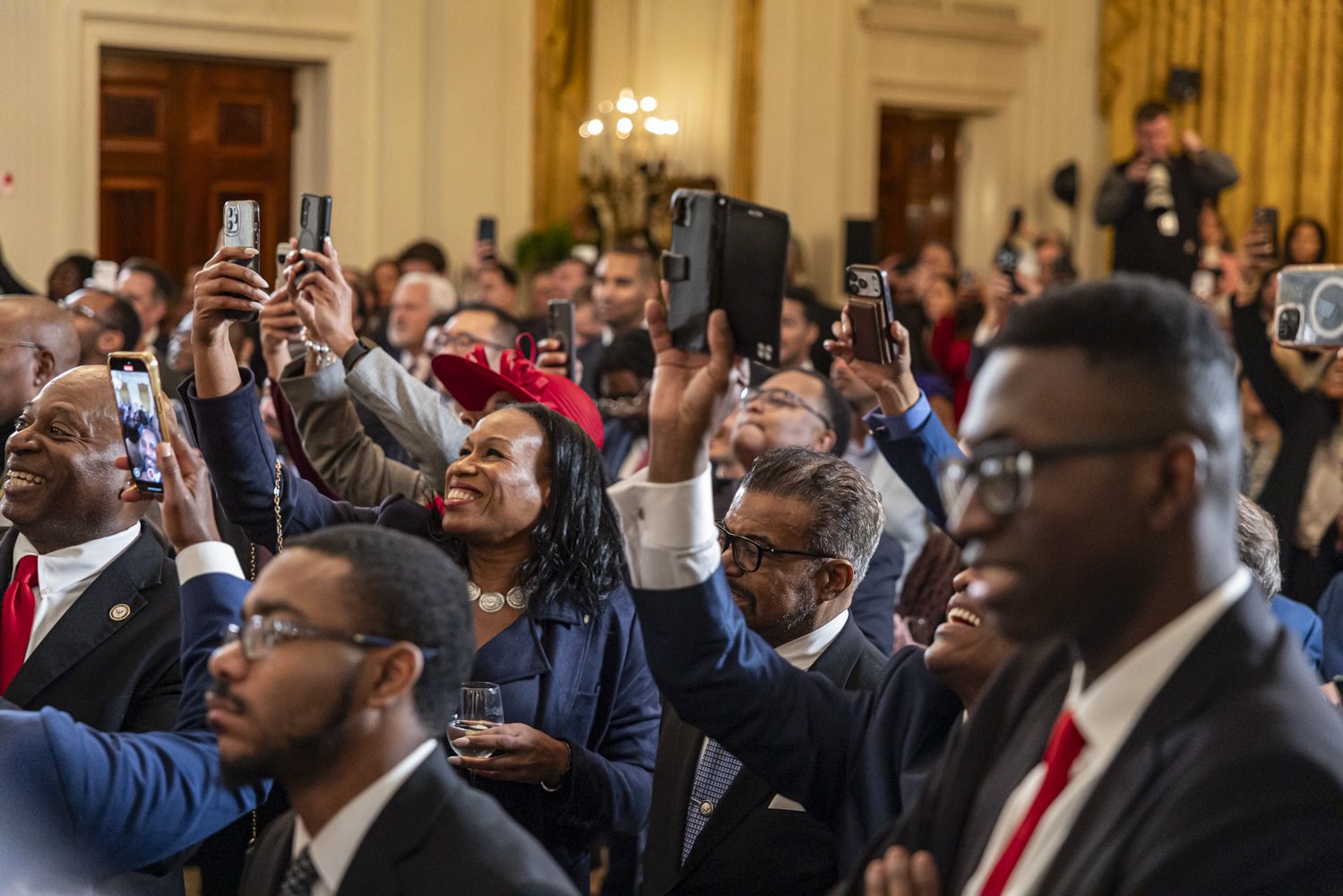
Axios' Russell Contreras uncovers a surprising political shift that could disrupt longstanding electoral trends:
A generational and structural shift is decoupling Black identity from Democratic Party loyalty.
- The result: A segment of a once-reliable voting bloc is transforming into a cohort of "political free agents" that the GOP aims to entice.
Why it matters: Even modest GOP gains — combined with weakening party loyalty — could make a big difference in close elections in a post-Voting Rights Act world.
President Trump is making inroads with Black voters less from persuasion and more from a changing electorate that's younger, more diverse and less tied to tradition, Theodore Johnson, a senior adviser at New America, told Axios.
- "When you detach partisan identity from racial identity, you get more Black voters willing to take a chance on a Republican," he said.
📈 By the numbers: Republican identification among Black Americans climbed into the mid-to-high teens in Gallup data last year.
3. 💸 America's bleak milestone


The United States crossed a symbolic threshold: The national debt is now larger than its GDP. Axios' Neil Irwin makes sense of the significance:
There's nothing inherently unsustainable about a 100% debt-to-GDP level.
- What matters is why it got that high, the prospects for future borrowing, and the forecast for growth and borrowing costs.
- Across those dimensions, the U.S. fiscal outlook is exceptionally gloomy, in ways not reflected in much of the day-to-day political discourse.
🔬 Zoom in: Consider a family with $100,000 in debt and an annual income of $100,000. Is their debt excessive? It depends.
- If the family ran up that debt due to one-time expenses that won't recur and has a low interest rate, rising income and day-to-day spending in line with what they bring in, they're probably fine.
- If, on the other hand, they ran up that debt to support routine living expenses in excess of their earnings and have a high interest rate and stagnant income, it would raise serious alarms.
Threat alert: The U.S. government is closer to the second scenario.
4. 🦾 AI idealism yields to arms race
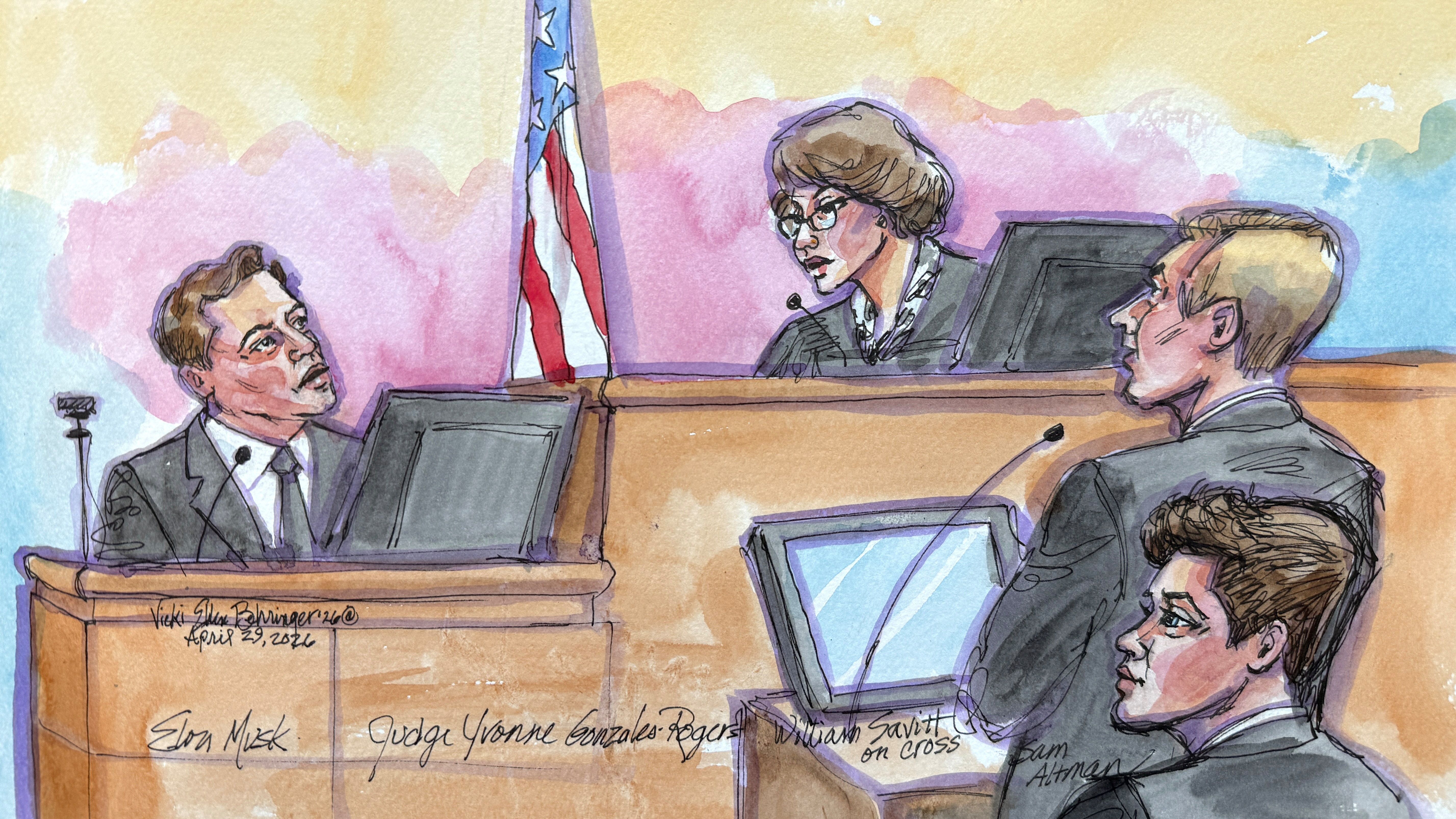
Elon Musk's lawsuit against OpenAI and the recent spate of deals AI companies have cut with the Pentagon show how far the industry has drifted from the altruistic origin story it's long told about itself, Axios' Meg Morrone writes.
- Why it matters: OpenAI and Anthropic were founded on the idea that AI would be deployed in ways that prioritized safety and the public good. Now those principles are giving way to an arms race for market share and ever more powerful models.
🔦 Flashback: The men behind today's biggest AI labs often pitched themselves as a safer, less-greedy alternative to earlier tech leaders.
- Acknowledging the breathtaking power of AI, they first rejected Silicon Valley's "move fast and break things" ethos.
Now, AI behemoths are locked in an escalating competition for enterprise, consumer and government business.
- When the Pentagon blacklisted Anthropic because it wanted to restrict how its AI could be used — including for mass surveillance and fully autonomous weapons — rivals swooped in and agreed to the "all lawful use" terms Anthropic had rejected.
- Last week, the Pentagon reached an agreement allowing Google's Gemini models to be used for "any lawful government purpose."
5. 💊 Abortion pill chaos

Nationwide access to abortion pills is again in legal limbo, causing confusion for pharmacies and telehealth companies, even in states where abortion is legal, Axios' Maya Goldman and Peter Sullivan write.
- Almost two years after the Supreme Court threw out a case challenging mail-order mifepristone, providers are scrambling to respond, and patients are left wondering what's coming next.
⚖️ While the Supreme Court yesterday froze a circuit court decision dramatically dialing back access to the drug, it could rule as soon as next week that abortion pills can only be dispensed in person.
The bottom line: The circuit court decision puts abortion access front and center in an election year and places the Trump administration in a political bind.
6. 🇷🇺 Paranoid Putin
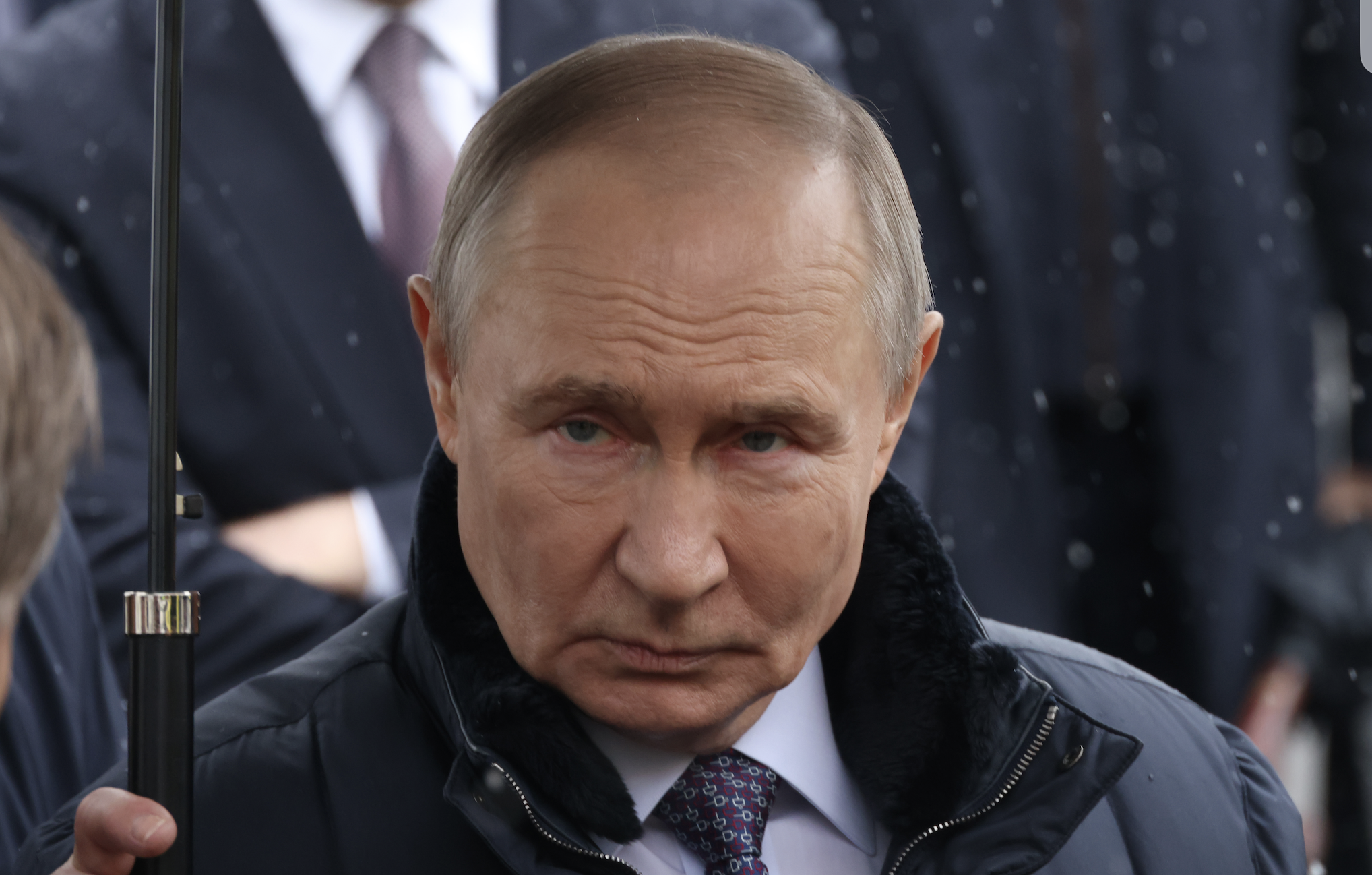
With Kremlin fears growing of a coup or assassination attempt — particularly one by drone — Russia has ramped up its security for President Vladimir Putin, 73, the Financial Times reports (🔒), citing people who know Putin in Moscow and a source close to European intelligence services.
- That has meant more time in underground bunkers and fewer family visits to country homes. The staff is also barred from public transportation.
- He's spending an increasing amount of his attention focused on the war with Ukraine at the expense of domestic affairs.
🫣 Russian security forces were rattled by Ukraine's Operation Spiderweb drone attack last year.
- "Security fears were additionally fueled by the U.S. seizure of Venezuela's leader Nicolás Maduro in January."
7. 🎞️ BookTok reshapes Hollywood
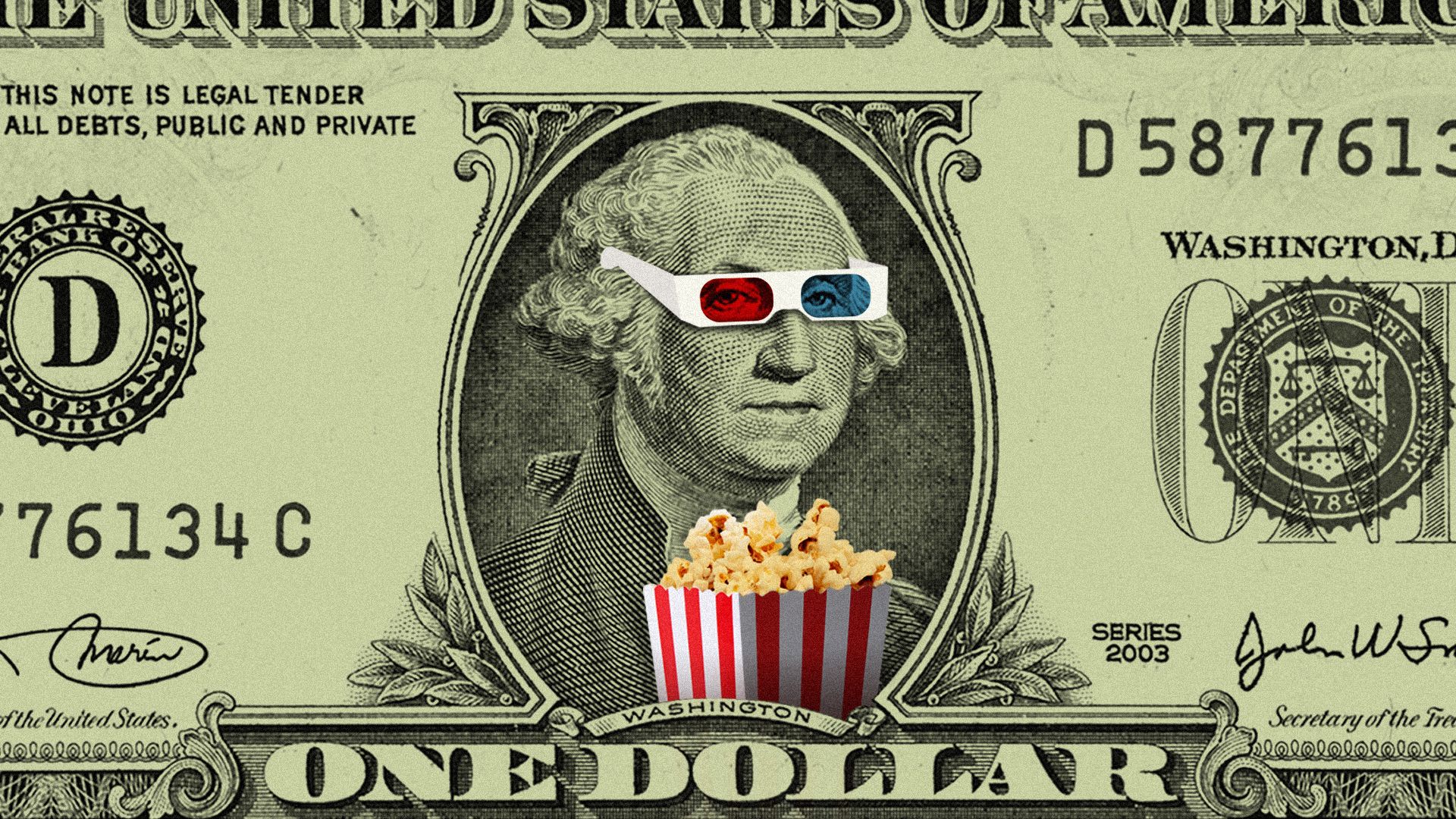
The BookTok community — ravenous readers who share reviews of their latest reads for massive social media audiences — is reshaping the streaming wars, Axios' Josephine Walker writes.
- Why it matters: Production studios are tuning in to influential creators and built-in fan bases, placing their bets on book adaptations to win viewers.
Nearly half of the original drama series that premiered on Netflix, Disney+ and Amazon Prime Video from January 2024 to June 2025 were book adaptations, according to a recent report by the Publishers Association.
8. 👗 1 for the road: "Fashion is art"
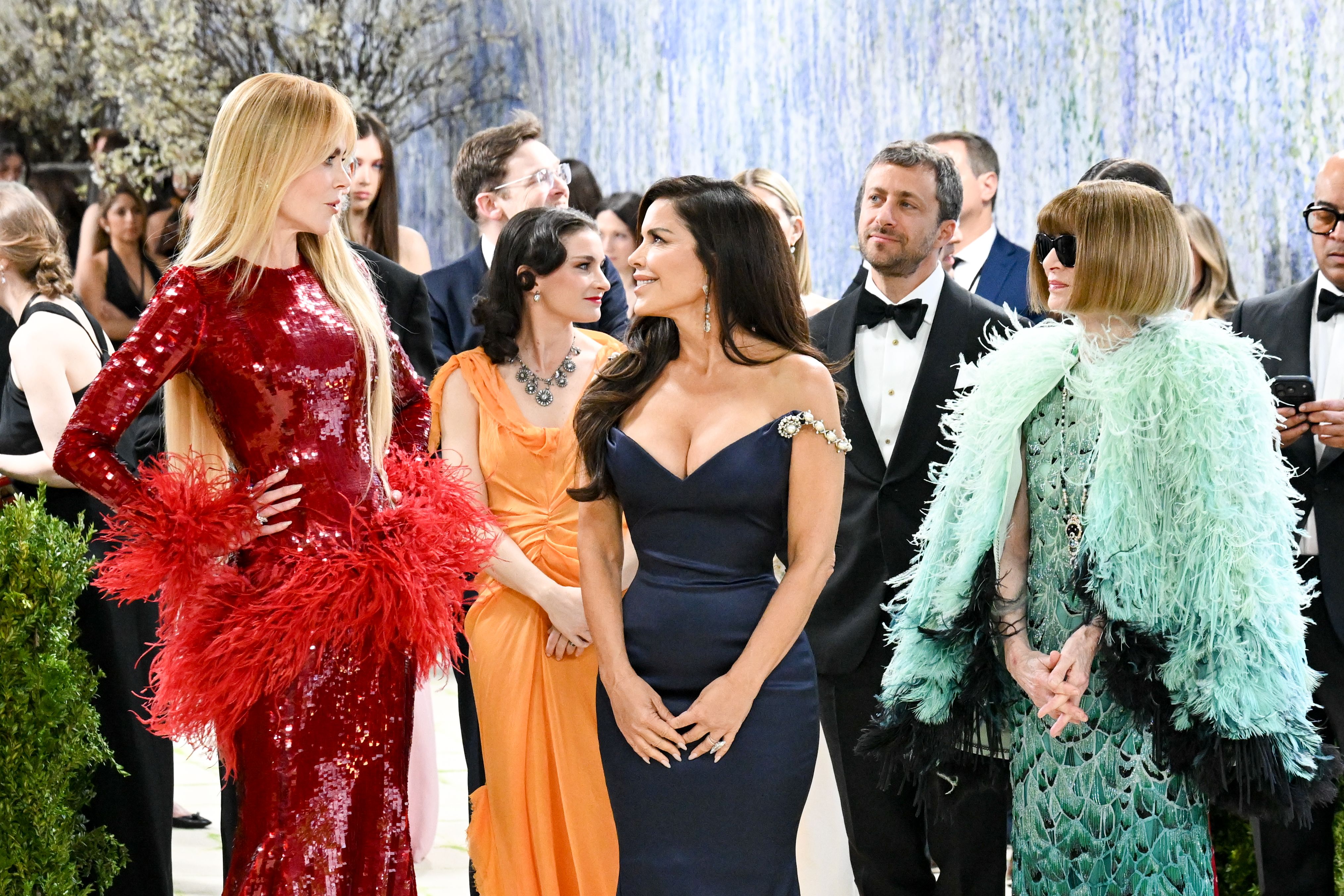
Above: Nicole Kidman, Lauren Sánchez Bezos and Anna Wintour at last night's Met Gala celebrating Costume Art. The dress code: "Fashion is art."
- Sánchez Bezos arrived in a form-fitting Schiaparelli gown, which she said was influenced by John Singer Sargent's 1884 painting "Madame X."
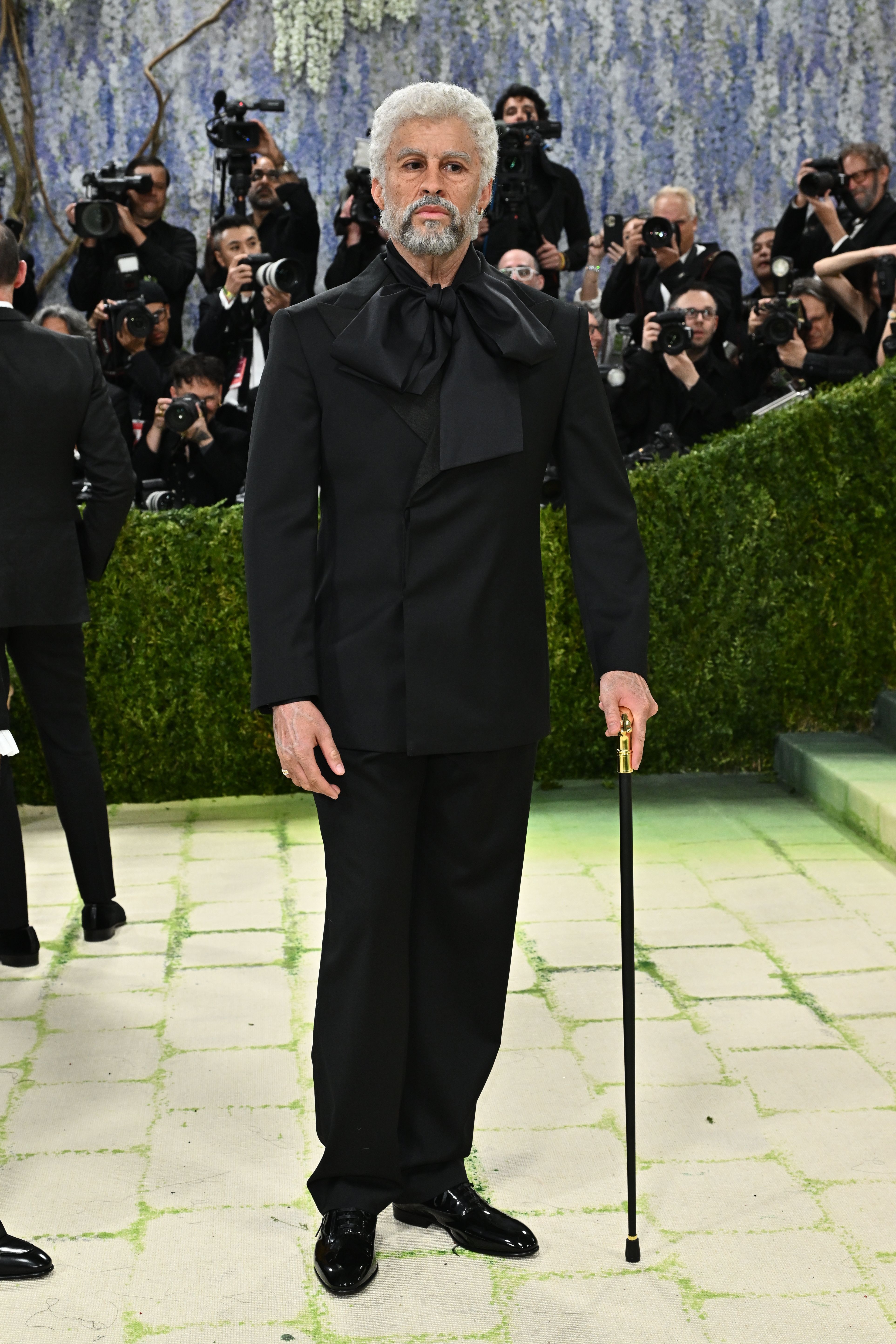
Who is this? Hint: one of the world's most famous people.
- That's Bad Bunny, 32, who aged himself with gray hair, wrinkle makeup and a cane.
More pics ... Keep reading.
Axios AM