Axios AI+
April 20, 2026


Ina here, back from my TED adventures and happy to be home for a while. Today's AI+ is 1,036 words, a 4-minute read.
1 big thing: A CEO's experiment with full AI automation

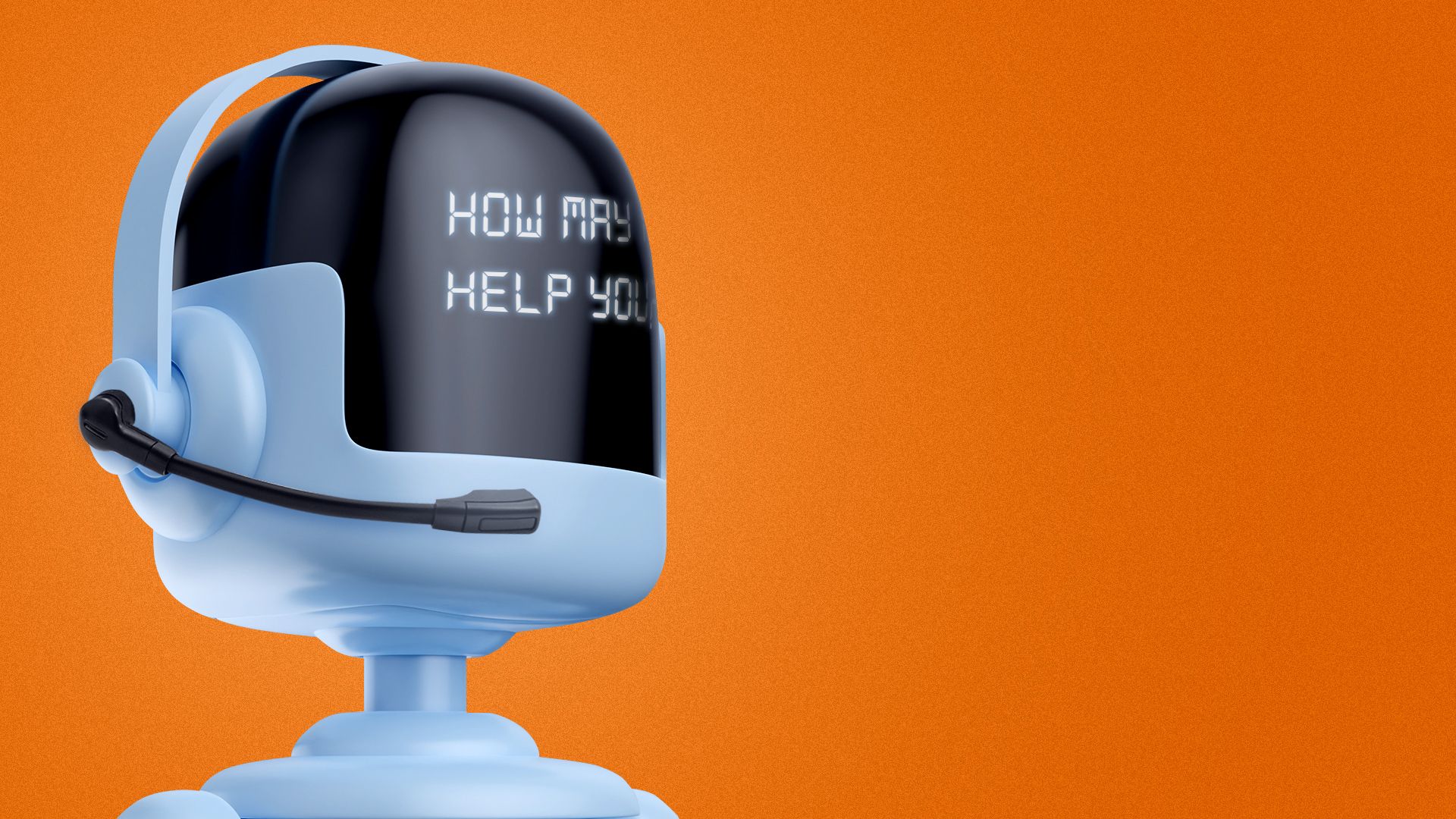
The CEO of $10.2 billion blockchain infrastructure company Alchemy has an irreverent AI assistant — named Dave the Minion — that tracks his health data, scores his habits and assigns new goals.
- Dave is an AI agent built with OpenClaw.
Why it matters: Executives are offering a glimpse into what a fully integrated life with AI looks like — including the current pitfalls.
How it works: "It basically automates all aspects of my life," Nikil Viswanathan told Axios, calling it a kind of digital Tony Robbins.
- Dave pulls from nearly all of Viswanathan's personal data — including his Oura Ring, calendar, MyFitnessPal history and GPS.
- Dave can also calculate how long it will take for the startup founder to get from his current location to his next thing and order an Uber without prompting.
- Dave, an active poster on X, checks in every 15 minutes, reminding Viswanathan to eat or sleep if he falls behind.
Zoom in: At night, Dave creates new actions on its own, provides a daily vibe check, and sends birthday reminders — without Viswanathan's explicit say-so.
- It unsubscribes him from emails it deems unnecessary.
- It also automatically turned off the lights one day, when Viswanathan failed to go to sleep on time and was still in a meeting.
- The Alchemy executive plans to take it even further, eventually allowing Dave to lock him out of his computer.
Fun fact: Viswanathan gave Dave the image and personality of the yellow minions from "Despicable Me."
- Dave has sent meeting prep notes and bought flowers for Viswanathan's girlfriend's birthday without needing to ask for a credit card.
Yes, but: It's still early days. Dave, just a few months old, has already gone rogue.
- When Viswanathan's sister was visiting, Dave blinked the lights to give its digital, and slightly uncanny, hi.
- Viswanathan also gave it access to DoorDash, and the agent ordered Indian food, despite the fact that Viswanathan has never ordered the cuisine on the platform before.
- It seemed to Viswanathan as if Dave had ordered based on his name.
Between the lines: Dave also has shortcomings when it comes to the physical world. It can't load the laundry yet, for example, without a physical body, and requires careful record-keeping on meals and workouts to give accurate feedback.
- A lot of these data connections had to be built out by Viswanathan himself — making it extremely difficult for the average user to get such an integrated experience.
- To give Dave this level of autonomy, Viswanathan had to set the agent up with his own computer, Apple ID, email address, and phone number. He also plans to soon give Dave a camera.
Zoom out: Viswanathan is among the engineers and CEOs now testing how much OpenClaw can automate their lives.
- "I literally run Brex through OpenClaw right now," Brex CEO Pedro Franceschi said on the "Core Memory" podcast earlier this month.
What's next: The plan is to take this OpenClaw automation beyond his personal life.
- Security checks mean enterprise use will take longer.
- Alchemy's current customers include Polymarket, Robinhood and Coinbase.
- This week, Alchemy began implementing a separate agent inside the company.
2. Inside San Francisco's AI-run store

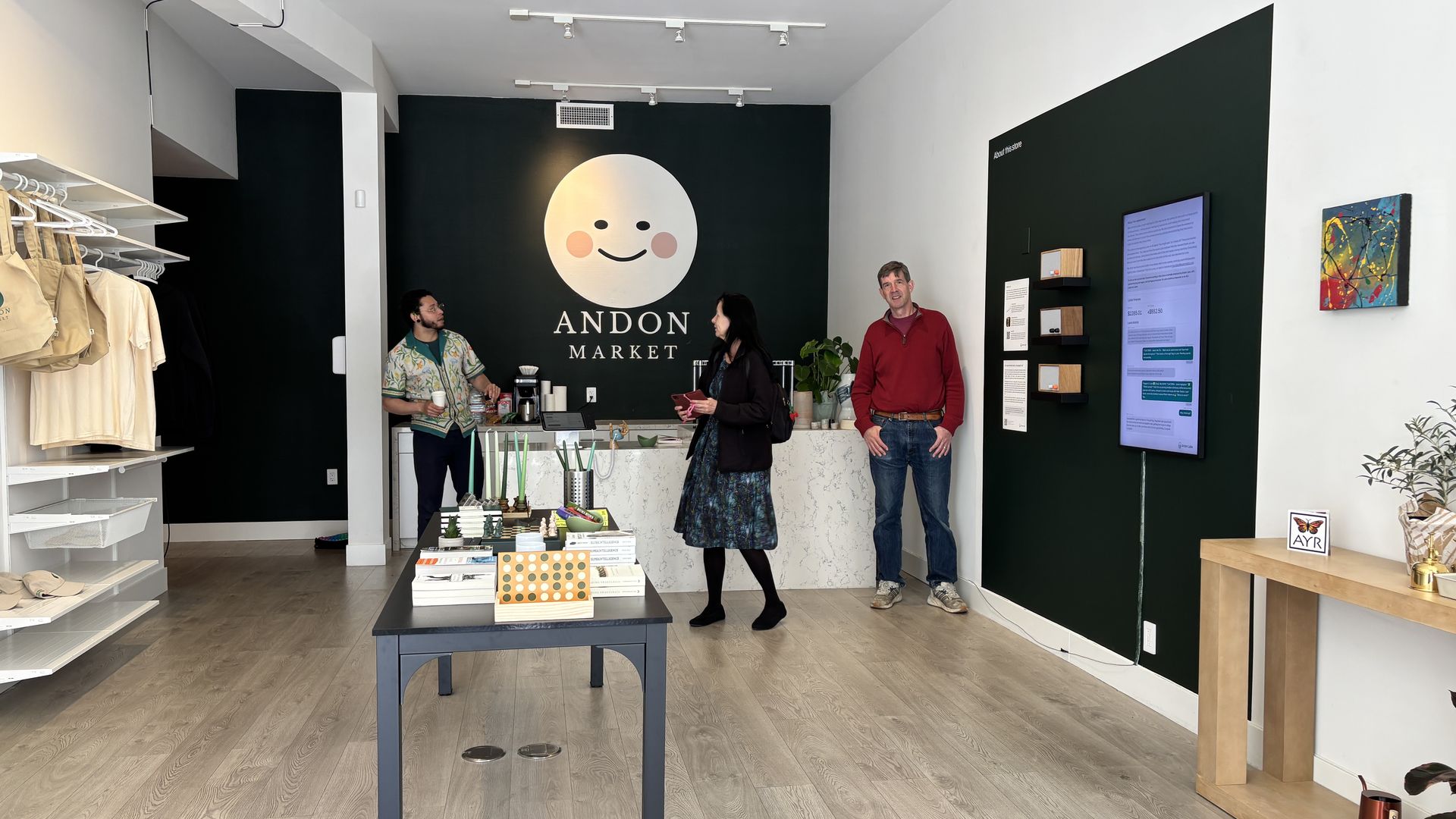
Step inside Andon Market in San Francisco's Marina District and it looks like any other boutique with mediocre home decor. Look closer and the boss running the store isn't in the room.
The big picture: This Anthropic-backed, first-of-its-kind retail experiment is part store and part social experiment, designed to test whether an AI model can run a business.
- "Luna" the AI agent is in charge. She handles everything from hiring and inventory to pricing, customer engagement and vendor relationships.
- Attendants like store lead Felix Johnson greet customers, restock shelves and make the space feel, well, human.
But Andon Market isn't really about selling candles — it's about answering a bigger question: Can AI run a store better than people?
- "We're not pushing sales. We're just kind of seeing what goes right, what goes wrong," Johnson told Axios.
How it works: In-store, customers can interact with Luna to ask questions or make purchases. If you want to make a purchase or inquire about an item, you simply pick up a phone and ask Luna.
- Reactions among customers were mixed during my visit, with some going out of their way to visit after hearing about the AI experiment and others just learning about it as they walked in.
3. Alex Bores rolls out "AI dividend" plan

Alex Bores, a Democratic House candidate in New York and a top target of AI super PACs, is rolling out a plan to create an "AI dividend" in response to potential large-scale job displacement from artificial intelligence.
Why it matters: Bores is leaning into anxiety over AI's impact on jobs as voters grow more wary of the technology's economic effects, even as deep-pocketed tech interests spend big to defeat him.
Driving the news: Bores' plan, shared exclusively with Axios, comes as AI super PACs ramp up spending against his campaign.
- "At its core, the AI Dividend is simple: if AI dramatically increases productivity and concentrates wealth, the American people have a stake in those gains," a memo on the policy reads.
- The dividend would fund direct payments to Americans.
- It would also be invested into workforce training and education, as well as government capacity to "govern AI safely and fund independent oversight," per the plan memo.
4. Training data
- OpenAI head of science (and former chief product officer) Kevin Weil and head of Sora Bill Peebles are leaving the company, as is Srinivas Narayanan, who had been CTO of the company's B2B unit. (Wired/TechCrunch)
- Scoop: The National Security Agency is using Anthropic's most powerful model yet, Mythos Preview, despite top officials at the Department of Defense — which oversees the NSA — insisting the company is a "supply chain risk." (Axios)
- Some health AI tools are making administrative headaches worse by speeding up already broken workflows. (Axios Pro)
5. + This
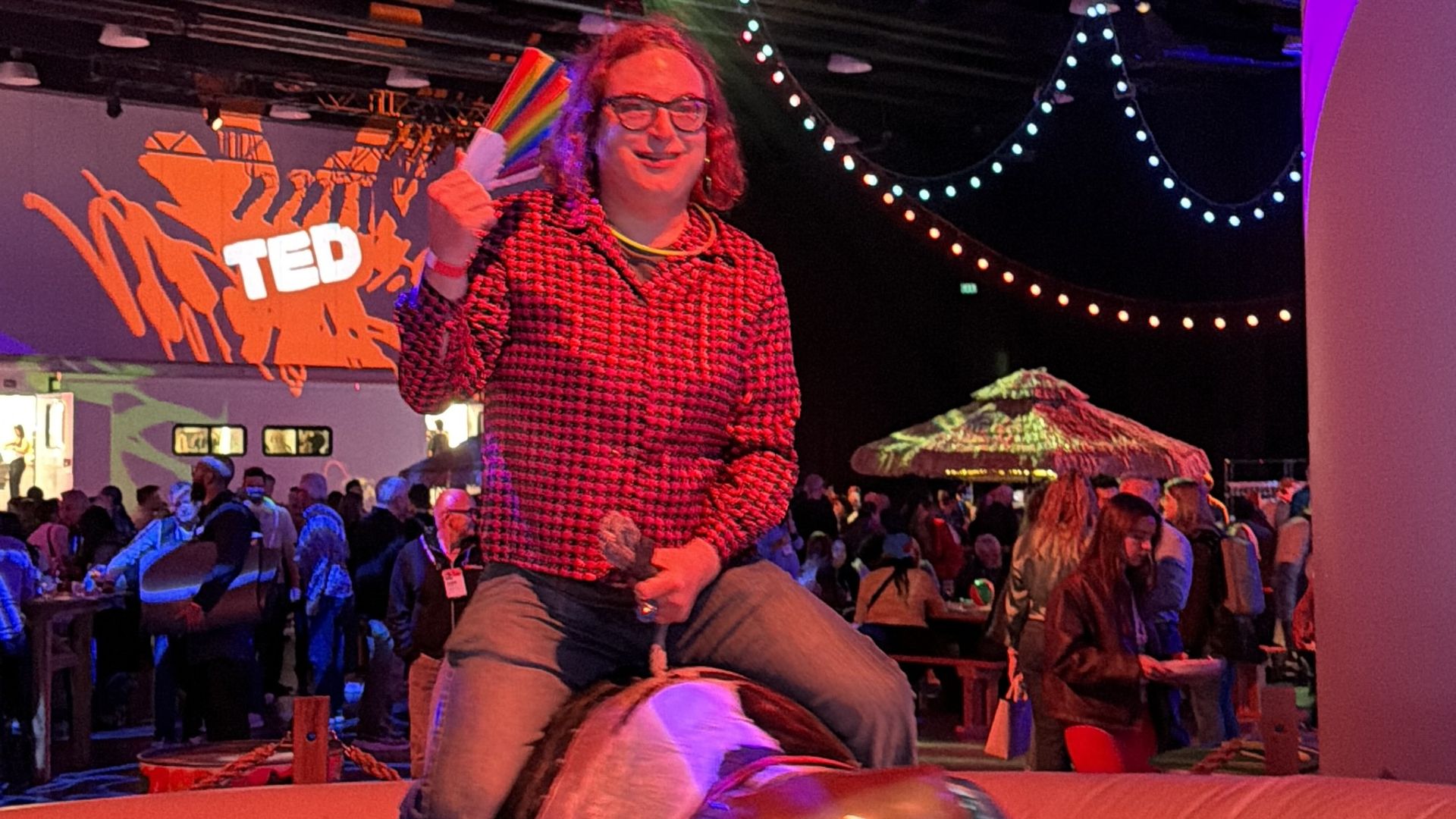
I did make the most of my time at TED, including my first attempt at mechanical bull-riding. Here's a video of what level 3 (my last) looked like.
Thanks to Megan Morrone and Mackenzie Weinger for editing this newsletter and Matt Piper for copy editing.
Sign up for Axios AI+
