Exclusive: Markey, Jayapal push for AI Bill of Rights in upcoming EO

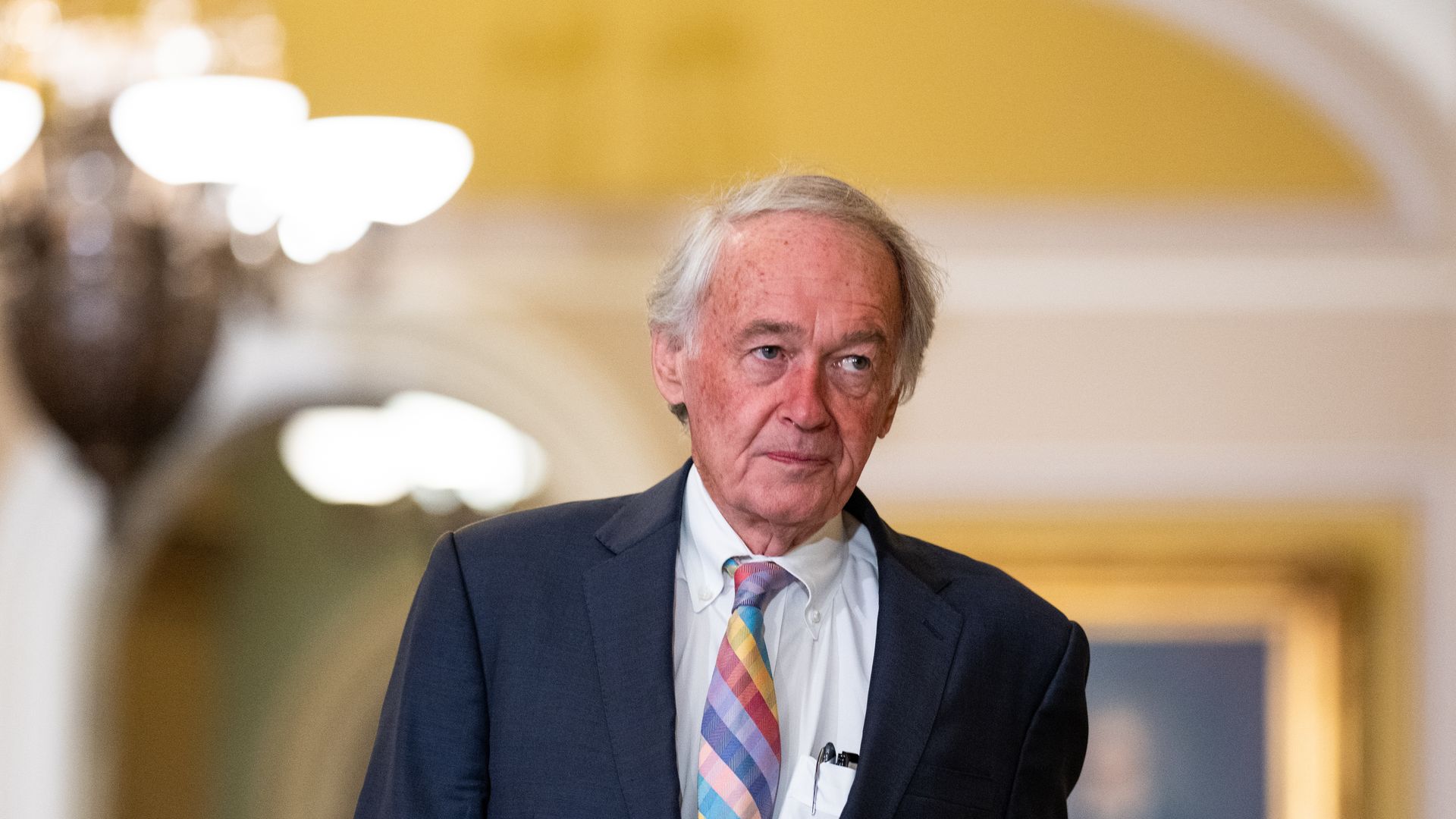
Sen. Ed Markey on Sept, 21, 2023. Photo: Bill Clark/CQ-Roll Call, Inc via Getty Images
Sen. Ed Markey and Rep. Pramila Jayapal are urging President Biden to make the White House's AI Bill of Rights binding policy for the federal government in the upcoming executive order on AI, per a copy of a letter shared exclusively with Axios.
Driving the news: Rumors have been flying for months about the Biden administration's planned EO on AI, with pressure from different groups about what to include and what to leave out.
- As Congress slowly works toward a legislative framework and individual agencies float their own ideas, tech policy watchers are looking to the White House for overarching guidance on using AI, especially in the federal government.
- The AI Bill of Rights is non-bonding guidance, and making it mandatory for government use of AI would create a new set of rules for compliance and requirements for government contractors.
Why it matters: It's notable that the two progressives, along with a handful of other lawmakers who signed the letter, are pushing to include the AI Bill of Rights, something previously called for by civil society organizations and urged against by the Chamber of Commerce.
- Jayapal and Markey's letter also adds pressure on the White House to release the EO.
Details: In the letter sent on Wednesday, the lawmakers say the AI Bill of Rights should act as guardrails for any federal use of AI technology, including for national security and law enforcement.
- The AI Bill of Rights' five principles should be "binding when federal agencies develop, purchase, fund, deploy, or regulate the use of, automated systems which could impact people's freedoms and rights," the lawmakers write.
What they're saying: "By turning the AI Bill of Rights from a non-binding statement of principles into federal policy, your Administration would send a clear message to both private actors and federal regulators: AI systems must be developed with guardrails," they write.
- "Doing so would also strengthen your Administration's efforts to advance racial equity and support underserved communities, building on important work from previous executive orders."
- "Implementing these principles will not only protect communities harmed by these technologies, it will also help inform ongoing policy conversations in Congress and show clear leadership on the global stage."
