August 07, 2025


Welcome back. Big premium hikes coming to ACA marketplaces could put new political pressure on Republicans heading into the midterms.
- We're on recess schedule, so we'll be back in your inbox next Thursday, or sooner if there's breaking news.
1 big thing: ACA sticker shock could jolt Congress

Pressure to renew expiring enhanced Affordable Care Act subsidies is likely to ramp up this fall as notices of 2026 premium increases go out and consumers get their first warnings that huge rate hikes could be coming.
Why it matters: Backers of renewing the enhanced tax credits are hoping that the sticker shock could motivate undecided lawmakers to get behind a short-term reauthorization to avoid an uproar over premium increases in an election year.
What they're saying: "This is going to rain starting in October; people are going to start getting these notices," said Leslie Dach, chair of the Democratic-aligned group Protect Our Care. "And it comes right to your doorstep, right to your mailbox."
- Republicans in Congress, he said, are not "going to do anything until they see the light of their constituents' eyes here … so the most important thing is to be sure people know what's going on."
The big picture: Out-of-pocket premium costs for over 20 million enrollees in the ACA marketplaces will increase by an average of 75% if the enhanced subsidies expire at the end of this year, according to KFF. The CBO also finds 4.2 million more people would become uninsured over a decade.
- That puts Republicans in a bind heading into the midterm elections: stuck between resisting an expansion of the ACA and the fear of steep health cost increases for their constituents.
- Although some GOP lawmakers are open to a deal on an extension, there's substantial concern over the projected $335 billion cost over 10 years — and the often expressed sentiment that the subsidies are a handout to insurance companies.
Between the lines: When exactly people will get notices about premium increases for next year depends in part on whether they are in one of the 20 states that run their own ACA marketplaces, where notices typically go out earlier.
- Insurers at a minimum must send notices before Nov. 1, when sign-ups for next year begin.
- Those notices tend not to have completely up-to-date individualized information, so many people likely will not see exactly how much more they will pay.
- But this year insurers are in discussions about how best to make clear that the enhanced subsidies are expiring. They're likely to include language informing people and telling them to check the healthcare.gov portal for the exact premium increase.
- "I think that this could turn into quite a political issue for an important voting bloc, and frankly, a constituency that the data suggests swung more heavily toward Republicans in the last elections," said Ceci Connolly, CEO of the Alliance of Community Health Plans. "This will hit pocketbooks directly."
The other side: Brian Blase, president of Paragon Health Institute and a former Trump administration health official, said that when the enhanced subsidies first passed in 2021 they were meant as a "temporary COVID measure," and that it was Democrats who set them to expire.
- "How are they going to come up with that amount of money" to pay for an extension? he asked. "I mean, that's a huge chunk of change, and these are subsidies that go directly to health insurers."
2. GAO: Trump admin improperly withheld NIH funds
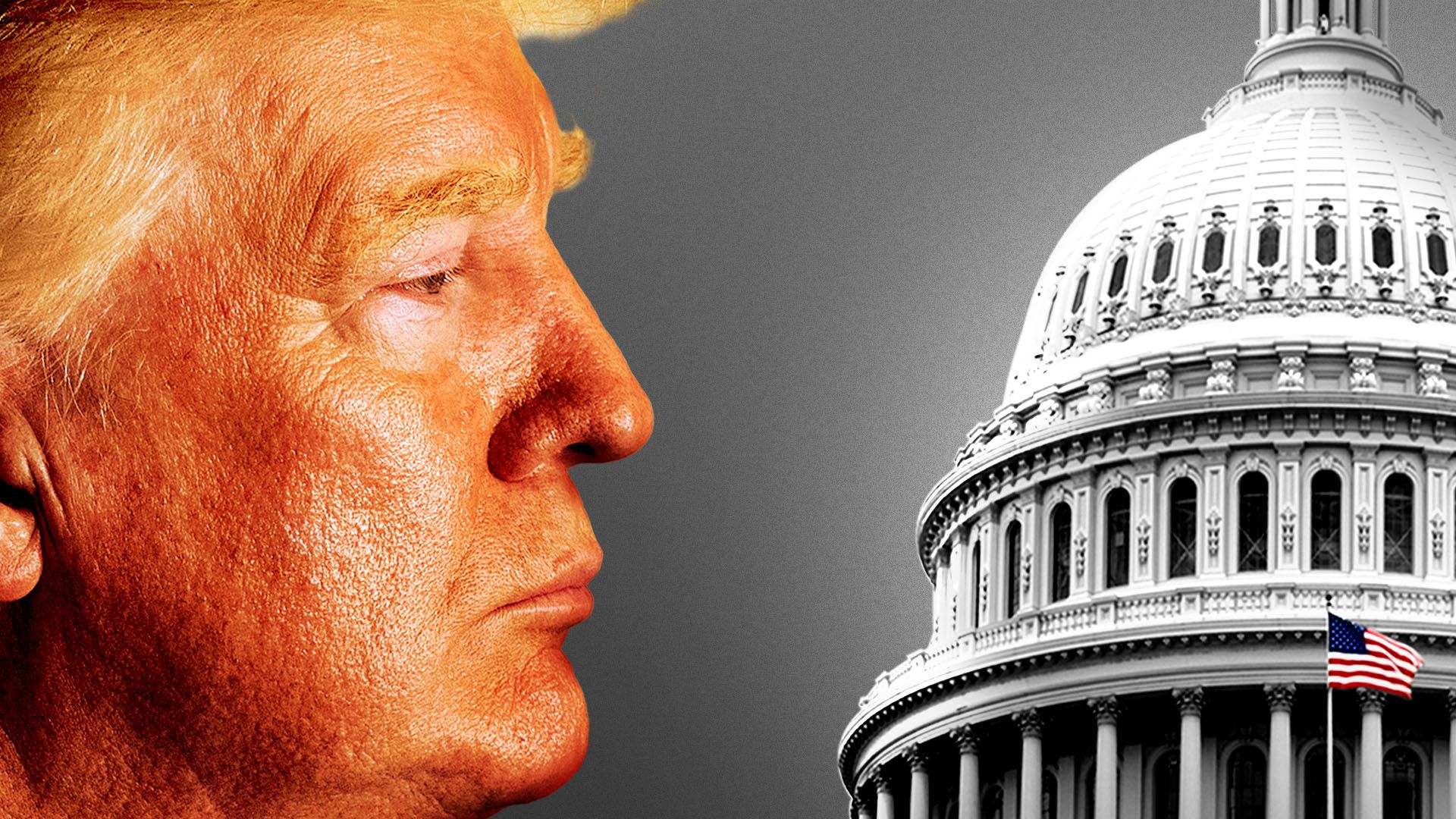
The Trump administration violated the Impoundment Control Act by pausing NIH grant reviews and withholding funds, the Government Accountability Office said in a report this week.
Why it matters: The act is intended to ensure that funds Congress appropriates are properly spent and that presidents can't interfere with its constitutional power of the purse.
Catch up quick: The administration's sweeping overhaul of federal health agencies included the cancellation of more than 1,800 NIH grants in response to an executive order to cut funding for DEI initiatives.
- HHS' communications freeze mandated by the Trump administration also caused agencies to stop publishing grant review meeting notices in the Federal Register, which resulted in a further reduction of grant awards.
Zoom in: Those actions amounted to a violation of the Impoundment Control Act by "withholding funds from obligation and expenditure," GAO concluded.
- HHS indicated that the funding pause on Federal Register notices has since been lifted.
- But GAO said HHS' response to its findings "did not include information regarding current obligations of NIH funds for FY 2025."
- OMB referred Axios to Director Russ Vought's public comments. Vought told CNN in a recent interview that the NIH was a "bureaucracy that we believe has been weaponized against the American people."
The big picture: Democrats in Congress may be less likely to work with Republicans and pass appropriations bills if the Trump administration won't honor those funding levels and unilaterally withholds funds.
- "President Trump is illegally blocking funding for medical research and shredding the hopes of patients across the country, who are counting on NIH-backed research," Senate Appropriations Ranking Member Patty Murray wrote in a statement on the report.
3. Catch me up: FDA pre-checks, drug price ruling

- FDA pre-checks: The agency launched an effort to strengthen domestic drug supplies by streamlining its reviews of manufacturing plants and eliminating unnecessary regulatory requirements, Reuters reports.
- Pharma loss: An appeals court upheld a lower court ruling to dismiss a challenge to the Medicare drug price negotiations brought by the U.S. Chamber of Commerce, finding that the plaintiffs didn't have standing, Yahoo reports.
- Medicare decision: Trump delayed a Medicare change on coverage of expensive bandages after getting millions in donations from the manufacturer, NYT reports.
- Change Healthcare cyberattack: The final tally of people affected by last year's massive data breach reached 192.7 million — nearly double the company's initial estimate, Healthcare IT News reports.
- UnitedHealth probe: Sens. Ron Wyden and Elizabeth Warren launched an inquiry into reports of cost reduction tactics at UnitedHealth Group–contracted nursing homes, including delays in hospitalizations.
4. Document watch: Patient mishaps, opioid options

- Patient harm: HHS' inspector general found that hospitals didn't report half of the events in which Medicare patients were harmed by falls, procedures, infections or other adverse events.
- Opioid controls: A CRS report outlines additional opioid policy actions Congress could take now that it's passed the HALT Fentanyl Act.
- Health records: The White House and tech leaders committed to make electronic patient records more accessible by promoting an interoperability framework and creating apps for patients.
✅ Thank you for reading Axios Pro Policy, and thanks to editors Adriel Bettelheim and David Nather and copy editor Brad Bonhall. Do you know someone who needs this newsletter? Have them sign up here.
View archive