July 09, 2025


Halfway there, gang. Now that the reconciliation bill is law, some health interests are working to delay its provisions.
1 big thing: Medicaid cuts may become new "doc fix"

The health care system is bracing for impending cuts to Medicaid, but with Congress, the possibility always exists that some cuts will be delayed or never take effect at all.
Why it matters: Delaying cuts in President Trump's tax and spending law even for a few years could cushion the blow to providers of nearly $1 trillion in Medicaid rollbacks while also adding to the deficit.
The big picture: The phasedown of Medicaid provider taxes, which states use to help finance their share of program costs, doesn't begin until 2028, potentially giving Congress time to push off implementation.
- Sen. Josh Hawley has already said he hopes to delay those cuts — or stop them.
- Congress has a long history of short-circuiting scheduled cuts to health care programs, like the "doc fix" for Medicare physician pay or DSH payments to hospitals. The latest Medicaid changes could be fodder for more such extenders.
- "We already have an experience with this," said Marc Goldwein, senior vice president at the Committee for a Responsible Federal Budget, noting how the Affordable Care Act called for Medicaid DSH cuts that Congress never allowed to take effect.
- Goldwein called provider taxes on hospitals and other providers "legalized money laundering" but said he is worried the changes in the new law would be pushed off "in a doc fix–type situation."
Between the lines: It is far from certain that Congress will push off any of the cuts. But hospitals are certainly going to try.
- Beth Feldpush, senior vice president of advocacy and policy at America's Essential Hospitals, told Axios this week that the group would work to soften the blow, which could include extending implementation dates.
- Hawley also said he is going to make a push. "I'm going to do everything I can to try to stop these provider tax [changes] that we have delayed," he told reporters before the Senate vote on the reconciliation package.
- The Medicaid work requirements take effect Dec. 31, 2026, setting up a major implementation challenge for states with a tight timeline. Although Republicans will not be eager to delay them, states could seek extra time for implementation.
The bottom line: Betting on Congress for relief from deadlines is a risky proposition.
- Much also depends on how the midterm elections go. If Democrats win big next year, they have a better chance of rolling back some of the cuts.
2. Senate HELP advances CDC director nomination
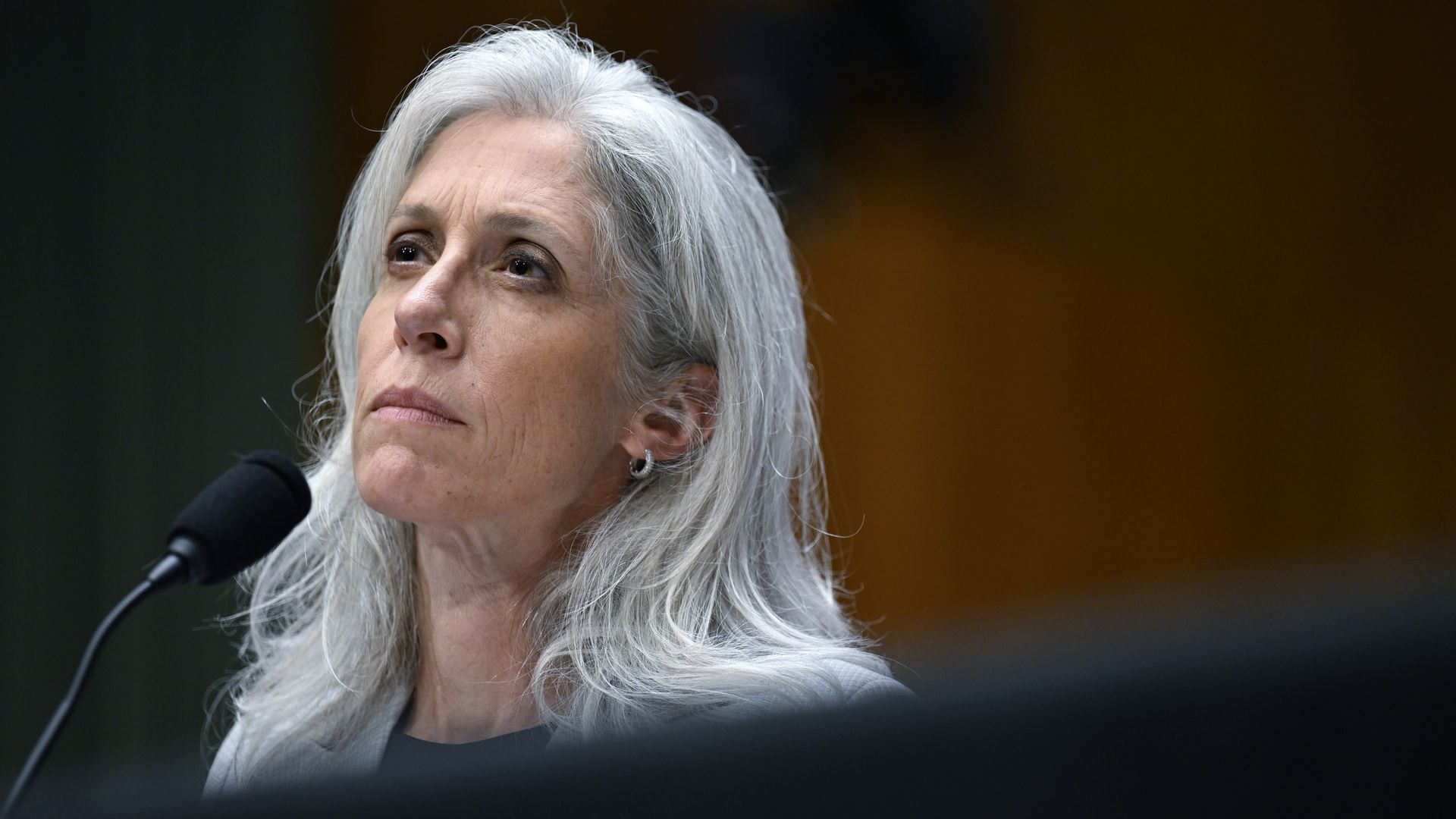
The Senate HELP Committee today narrowly advanced the nomination of Susan Monarez for CDC director on a 12–11 party-line vote.
Why it matters: The vote puts Monarez on track to become the first Senate-confirmed head of the agency, taking the helm at a time of increased vaccine skepticism, measles outbreaks and upheaval at the CDC's vaccine advisory panel.
- The agency also still is facing criticism from Republicans for its role in the pandemic response, and HHS Secretary Robert F. Kennedy Jr. is pushing for it to focus more on chronic diseases.
Between the lines: Monarez is a career government scientist and has been serving as acting CDC director. She's also previously served as the deputy director of ARPA-H.
- She has a doctorate in microbiology and immunology from the University of Wisconsin and served in the White House in the Office of Science and Technology Policy, as well as on the National Security Council.
Flashback: During her HELP confirmation hearing, Monarez walked a fine line on vaccines, saying that she hadn't seen a connection between vaccines and autism while declining to directly criticize Kennedy.
What they're saying: "The United States needs a CDC director who makes decisions rooted in science, a leader who will reform the agency and work to restore public trust in health institutions," said HELP Chair Bill Cassidy.
- "With decades of proven experience as a public health official, Dr. Monarez is ready to take on this challenge," Cassidy added.
Although Democrats didn't dispute Monarez's credentials, they pointed to the leadership of HHS and recent decisions made by Kennedy as reasons for voting against the nomination.
- "Dr. Monarez, who has served as Trump's acting CDC director, has done nothing to stand in the way" of Kennedy and the president's actions, said HELP Ranking Member Bernie Sanders.
- "Under her watch, the Trump administration has illegally delayed or canceled $11 billion in public health funding to fight infectious disease and to prepare for the next pandemic.… Monarez stood by while Secretary Kennedy spread misinformation about vaccines," Sanders said.
What's next: Monarez's nomination heads to the Senate floor. The position was made subject to confirmation under a 2023 law following criticism of the agency's role during COVID-19.
3. Catch me up: Measles cases, Biden's doctor

- Measles milestone: Cases in the U.S. reached their highest number in more than 30 years, according to federal data updated today. More from ABC News.
- Biden's doctor: Kevin O'Connor declined to answer questions about the former president's health while in office to the House Oversight Committee, citing the Fifth Amendment and doctor-patient confidentiality, Alex Thompson reports.
- Drug tariffs: Trump signaled he could give drugmakers at least a year before imposing duties of 200% on their foreign-made products, renewing questions about whether he'll follow through. More from Axios.
- Autism subtypes: As the Trump administration probes environmental causes of autism, researchers identified four distinct varieties of the condition, each with a unique genetic profile, Tina Reed reports.
✅ Thank you for reading Axios Pro Policy, and thanks to editors Adriel Bettelheim and David Nather and copy editor Brad Bonhall. Do you know someone who needs this newsletter? Have them sign up here.
View archive