June 17, 2025


Happy Tuesday! The new, deeper Medicaid cuts in reconciliation aren't going over well with some Republican senators.
1 big thing: Senate's Medicaid cuts stir resistance
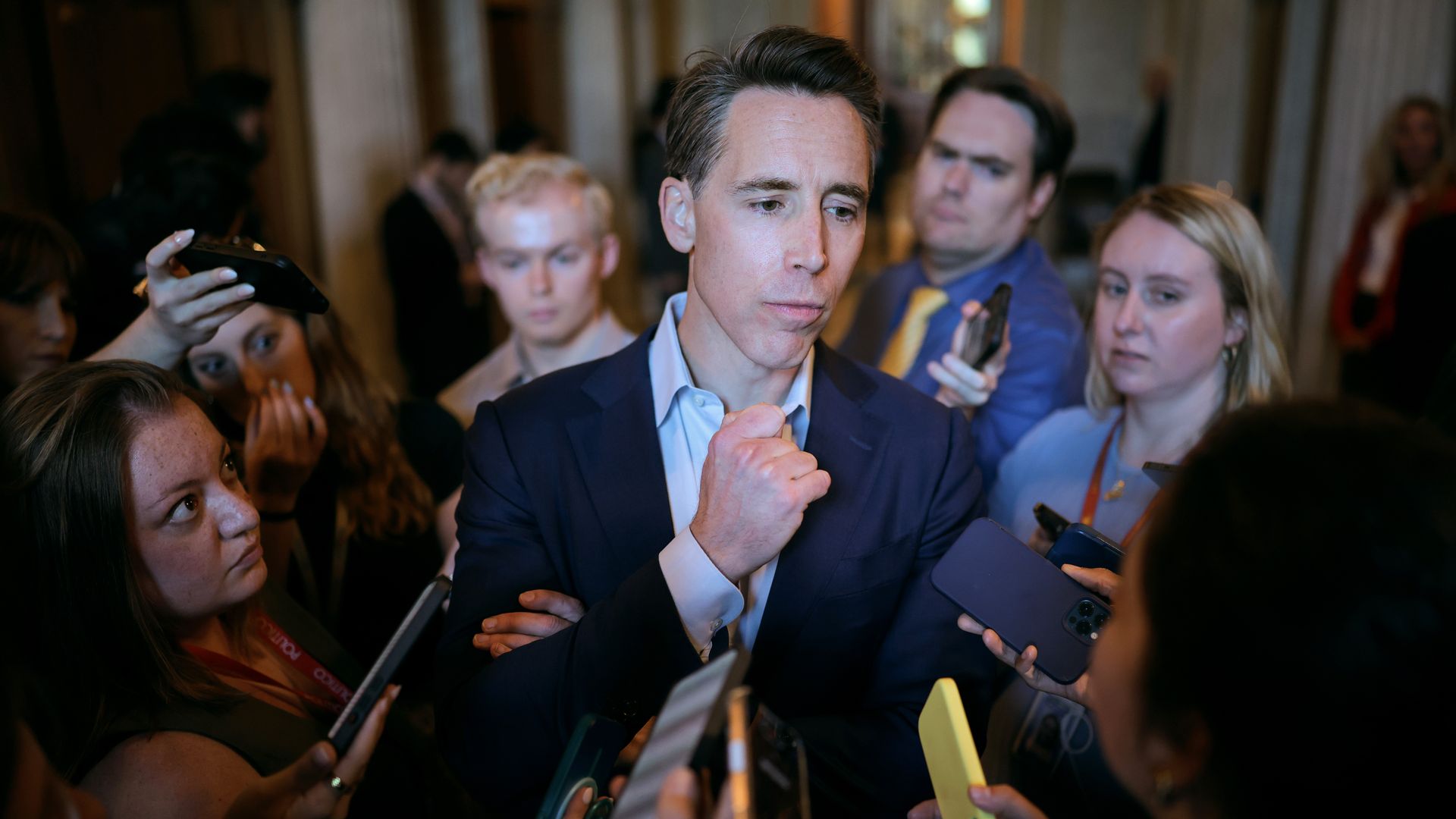
The Senate's deeper cuts to Medicaid funding in the reconciliation package are setting off alarms with some GOP senators, complicating the path to passage ahead of a vote as soon as next week.
Why it matters: Senators placed further limits on Medicaid provider taxes and state-directed payments that are a major concern for hospitals that could lose funding, including rural facilities that are a key constituency for many senators.
What they're saying: Sen. Josh Hawley said he was "alarmed" and "really, really surprised" by the provider tax changes that emerged in the Senate Finance Committee text.
- "It just baffles me," he told reporters last night. "I'd invite them to come explain that to people in Missouri: We're going to close your hospitals in rural America so we can pay for Green New Deal subsidies that Joe Biden championed? I mean, good Lord."
- Sen. Susan Collins said after a briefing for GOP senators last night that she also has concerns about the provider tax measures, though she wouldn't elaborate.
- Hawley also told reporters he was unhappy with the way the text retained a House cost-sharing provision that would require a $35 copay for Medicaid enrollees. "That's not good," he said. "It sounds to me like this needs some work."
Driving the news: Hospitals, which already had concerns with the House-passed language, are sounding increasingly loud warnings.
- American Hospital Association CEO Rick Pollack said the Medicaid cuts "will strain emergency departments as they become the family doctor to millions of newly uninsured people" and could "force hospitals to reconsider services or potentially close, particularly in rural areas."
The other side: Hardline conservatives like Sen. Ron Johnson are pulling in the opposite direction, saying the bill doesn't go far enough in reducing the deficit.
- Johnson told reporters yesterday that if the package went to the floor as is he would vote "no," and he didn't think it could be fixed by the July 4 recess.
Further complicating matters are different factions in the House who are expressing their dissatisfaction with the Senate's changes to the bill.
- Rep. Jeff Van Drew said in a statement that he opposed the Senate changing the provider tax provision and it was "a nonstarter" for him. Van Drew was one of the House's Medicaid holdouts who pushed against some of the more stringent savings proposals.
- Other points of contention for House lawmakers outside of health include the Senate's changes to the SALT cap and moderating the energy tax credit phaseouts.
2. Medicare changes dropped from megabill draft

Senate Finance's reconciliation title underscored a lack of appetite for making some major Medicare policy changes.
Why it matters: Almost every House Medicare policy proposal was discarded, including a "doc fix" and a provision that would have expanded the number of rare-disease drugs exempt from Medicare drug price negotiations.
- That helped avoid a reconciliation draft in conflict with President Trump's vow not to cut Medicare benefits.
What's (not) inside: The Medicare inflationary doc fix, which would have changed the physician fee schedule's conversion factor to increase payments to doctors.
- Expanding the "orphan" drug carveout to include orphan drugs approved for two or more rare diseases.
- Health savings accounts proposals that would have given Medicare beneficiaries more flexibility to contribute to HSAs, and would have expanded HSAs and increased the amount that can be contributed.
- Measures that would have cracked down on PBMs' practices in Medicare Part D, including "delinking" compensation and requiring more transparency.
Another casualty was Sen. Bill Cassidy's provision to address overbilling by Medicare Advantage insurers, which would have provided significant savings.
Between the lines: The proposed doc fix divided provider groups over whether it would stop incentivizing doctors to participate in value-based care models.
- That conflict and the Senate not wanting to touch Medicare in reconciliation, in general, doomed the policy, lobbyists said.
- But Rep. Greg Murphy, one of the chairs of the GOP Doctors Caucus, previously told Axios that not including a physician payment fix in reconciliation could cost GOP leaders his needed vote.
3. Catch me up: NIH grants, FDA priority reviews

- NIH grants: HHS is expected to appeal a federal judge's order restoring funding for hundreds of grants that were terminated in connection with Trump's orders on LGBTQ+ and DEI, Tina Reed and Steph Solis report.
- Drug reviews: The FDA unveiled a program that offers priority drug reviews to companies "aligned with U.S. national priorities."
- 23andMe drama: Anne Wojcicki is poised to regain control of the genetics testing company she cofounded and led until earlier this year after agreeing to put much of her personal fortune on the line, Dan Primack reports.
- Reconciliation poll: The package as passed by the House is viewed unfavorably by 64% of adults, including large majorities of independents, a KFF tracking poll finds.
✅ Thank you for reading Axios Pro Policy, and thanks to editors Adriel Bettelheim and David Nather and copy editor Brad Bonhall. Do you know someone who needs this newsletter? Have them sign up here.
View archive