February 24, 2025


Monday's here. And we have a sit-down with top PBM lobbyist JC Scott to talk about the year ahead.
- We'll be all over tomorrow's House budget debate, so watch your inbox for developments on Medicaid and other health provisions.
👀 Situational awareness: On March 3, Axios launches Inside MAGA Media, a deep dive into the people and platforms driving Trump's influence, by Jim VandeHei, Mike Allen and Tal Axelrod.
- Axios Pro subscribers get free access to the report when they join the AM Executive Briefing membership. Join now and use code INSIDEMAGA50 for 50% off the membership.
1 big thing: Q&A — PBM lobby chief on path ahead

PBMs dodged a bullet in the year-end government funding deal, but they're still facing bipartisan charges of lack of transparency and not sharing enough savings with patients.
- Some of the frustration may be aired when the House Energy and Commerce health subcommittee holds a hearing Wednesday on "reining in PBMs" to promote competition and lower patient costs.
- Pharmaceutical Care Management Association CEO JC Scott sat down with Peter to discuss where the debate goes next. The conversation has been edited for length and clarity.
What's your outlook, especially about the overhaul that was dropped from the year-end deal?
- We certainly anticipate that package is going to be under consideration again, at a minimum, because they have to deal with [health extenders].
- One thing that is missing from that, I will just say, is any real focus on the list prices set by pharma.
- This last provision around mandating 100% rebate pass-through in the commercial market, saying all contracts have to be the same — that is where it runs directly headlong against the principle that we stand for, which is those clients should have the right to choose [how they want to pay PBMs].
Is that commercial piece the most objectionable part of the package?
- Yeah, that's fair.
Have you talked with President Trump or RFK Jr. since the election?
- We're engaging policymakers at all levels. That includes the White House, HHS, Capitol Hill, anybody who's willing to listen to us.
- What we generally don't do is sort of promote and advertise our policymaker meetings in the press, as some other stakeholders choose to do.
Have you gotten a sense that HHS or the rest of this Trump administration is handling things differently this time around?
- I will say this administration is putting the spotlight back on the fact that Americans pay a much higher price for prescription drugs than just about any other developed nation in the world, and I think that is an important disparity to call out.
Does it worry you when you see pharmaceutical executives meeting with Trump, as they did last week?
- [Pharma has put] millions of dollars into advertising campaigns to try and define our industry and set the terms of this debate. And that is problematic because that misses the fundamental value proposition of what our companies do to lower costs, and it muddies the water, and it's not constructive.
- I, of course, would expect pharma and others to be reaching out to the White House and policymakers to share their perspective. That is their job, and we're doing the same. So we'll be continuing to try and push back on that, on that message.
How do you respond to the critique that PBMs are skimming too much off the top and keeping too much of rebates for themselves?
- First of all, there's a fundamental misunderstanding of what a rebate is, because at the core, the rebate is simply a negotiated discount.
- The client has full control and visibility in those rebates and making decisions about what they want to do with them. And so to the extent the client wants more or less information, they bake that right into their contract.
- I think that people are sleeping on how much change is occurring right now in the PBM marketplace … in terms of new programs on out-of-pocket costs, in terms of how we work with retail pharmacies, in terms of the embrace of transparency that we see in the market.
2. Trump administration defends drug pricing law
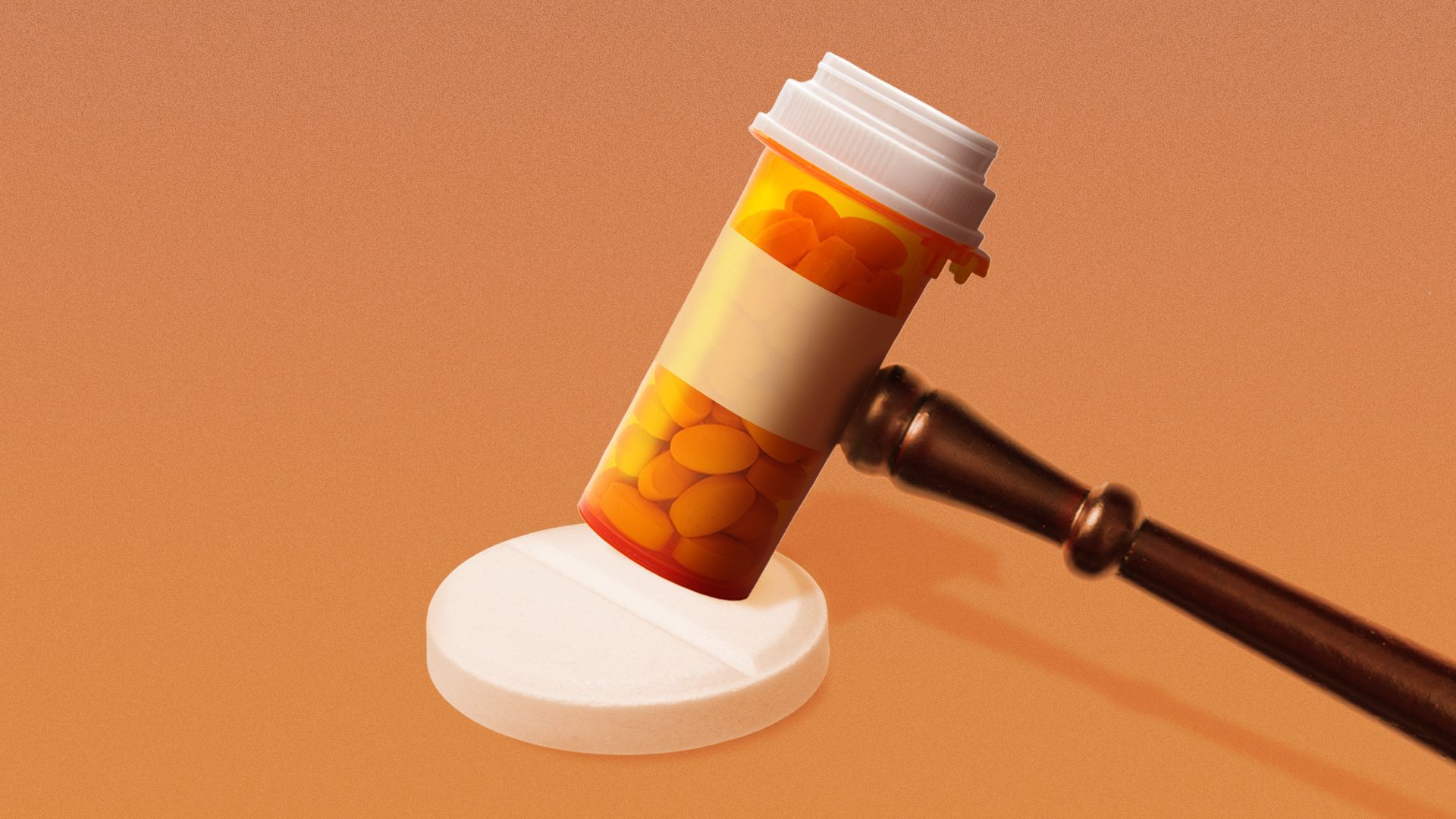
The Trump administration indicated in a court brief that it will defend Medicare drug price negotiations and oppose a drugmaker's effort to kill Democrats' signature law on constitutional grounds.
Why it matters: The Justice Department filing offered the most detailed look yet at how the new administration views a key piece of the Inflation Reduction Act and essentially carries forward Biden administration arguments in its defense, Adriel Bettelheim reports.
- Select drugmakers have until Friday to decide whether to participate in the next round of negotiations on 15 widely used drugs — including Ozempic and Wegovy — with prices due to take effect in 2027.
Driving the news: The DOJ filing with the 3rd U.S. Circuit Court of Appeals came in response to Novartis AG's arguments that the law violates multiple parts of the Constitution, including the First Amendment and the takings clause of the Fifth Amendment.
- It was one of a series of as-yet-unsuccessful pharmaceutical industry challenges to the negotiations.
- The Trump administration agreed with a lower court decision rejecting Novartis' case, saying participation in the negotiations is voluntary and that the company isn't compelled to do or say anything.
- "The government has a substantial interest in curbing the rising costs of public spending on prescription drugs, and the establishment of the negotiation program furthers that interest," DOJ wrote.
Yes, but: The administration still could make changes to the program that accommodate the industry.
- Trump backed the idea of government price negotiations in his first campaign but then opposed House Democrats' attempts to enact them.
3. Catch me up: FDA rehires, U.S. flu data and more

- FDA rehires: The agency plans to rehire around 300 recently fired staff, including employees reviewing Elon Musk's brain implant company, Neuralink, Reuters reports.
- U.S. flu data: The U.S. hasn't sent seasonal data to the World Health Organization since Trump's inauguration, as a key meeting to discuss the composition of vaccines looms, CBC reports.
- Pfizer nabs ex-FDA chief: Patrizia Cavazzoni, the FDA's former head of drug regulation, will become Pfizer's chief medical officer, Endpoints News reports.
- Medicaid shift: Eliminating current levels of federal dollars that go to states that expanded their Medicaid programs would shift more than $44 billion in costs to those states next year, Urban Institute researchers found.
✅ Thank you for reading Axios Pro Policy, and thanks to editors Adriel Bettelheim and David Nather and copy editor Brad Bonhall. Do you know someone who needs this newsletter? Have them sign up here.
View archive