
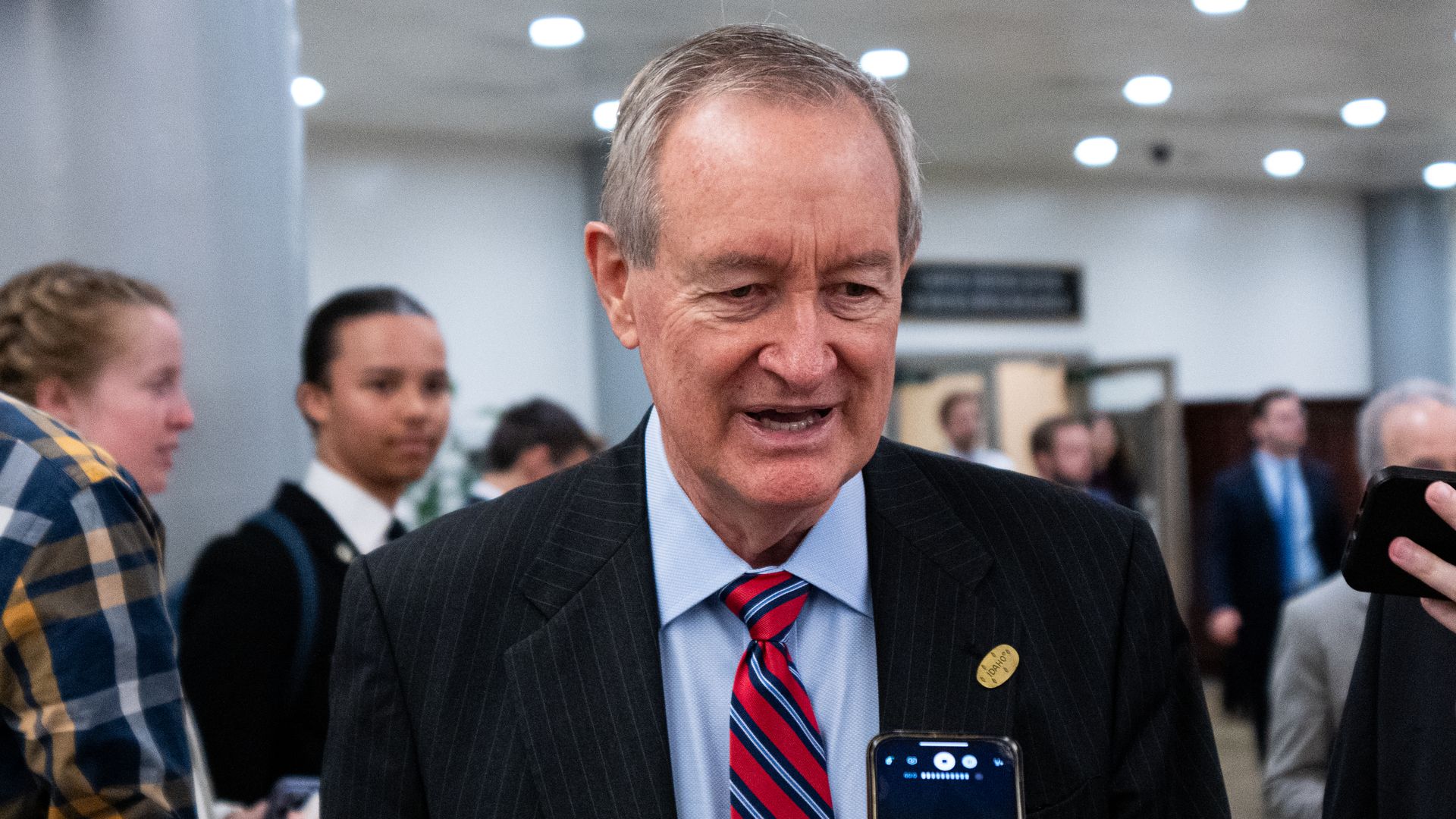
Sen. Mike Crapo. Photo: Bill Clark/CQ-Roll Call via Getty Images
Now that we know the Senate is going Republican, here's an update on the likely chairs of key committees and their agendas for health.
Senate Finance Committee
Mike Crapo, the current ranking member, is expected to take the gavel.
- He brings a more traditional GOP mindset than that of the last GOP chair, Chuck Grassley, who was more of a drug industry critic.
- Crapo has been a sharp critic of the IRA drug pricing provisions, though it remains to be seen whether Republicans go for a full repeal, or instead look at changes like extending the time biologics are exempt from Medicare negotiations.
- On a more bipartisan note, he has worked with current Chair Ron Wyden on the panel's PBM legislation and is likely to continue pushing that.
- His elevation also could be good news for doctors looking to avert scheduled cuts to their Medicare pay, though a long-term fix could take time.
Senate HELP Committee
Bill Cassidy is similarly expected to move from ranking member to chair, though there is the possibility that Rand Paul decides to go with HELP over Homeland Security and Governmental Affairs.
- Cassidy, a physician, has sent out a flurry of requests for information and white papers, reflecting his deep interest in health policy.
- Some potential targets include 340B, which he wants returned to its "original intent," and NIH, which he's said he wants to "modernize."
- The HELP Committee will be in very different hands than under current Chair Bernie Sanders, meaning that pharmaceutical company CEOs can rest easy knowing they're less likely to be hauled up to testify in front of the panel.
- Cassidy has collaborated with Sanders on a PBM reform measure, which will still be on the table.
Senate Judiciary Committee
Chuck Grassley is poised to return as chair.
- This panel is less at the center of health policy, but Grassley, as noted above, is a critic of pharma and has a number of bills in his jurisdiction seeking to increase generic competition, for example by targeting "pay for delay" deals.
- Those measures are bipartisan, and some even could be in play in the lame duck. If they don't see action, Grassley could keep them in the spotlight.
