September 23, 2024


🎉 Happy Monday! Hope you're ready for a big week on the Hill.
🚨Situational awareness: Senate Energy and Natural Resources noticed a markup of bills on offshore wind, Alaska oil and artificial intelligence, as well as a huge slate of public lands legislation.
🎶 Today's last song is from RFF's Brian Prest: "The Loss of My Fight" by Bandit Queen of Sorrows.
1 big thing: Dems train for post-Chevron world
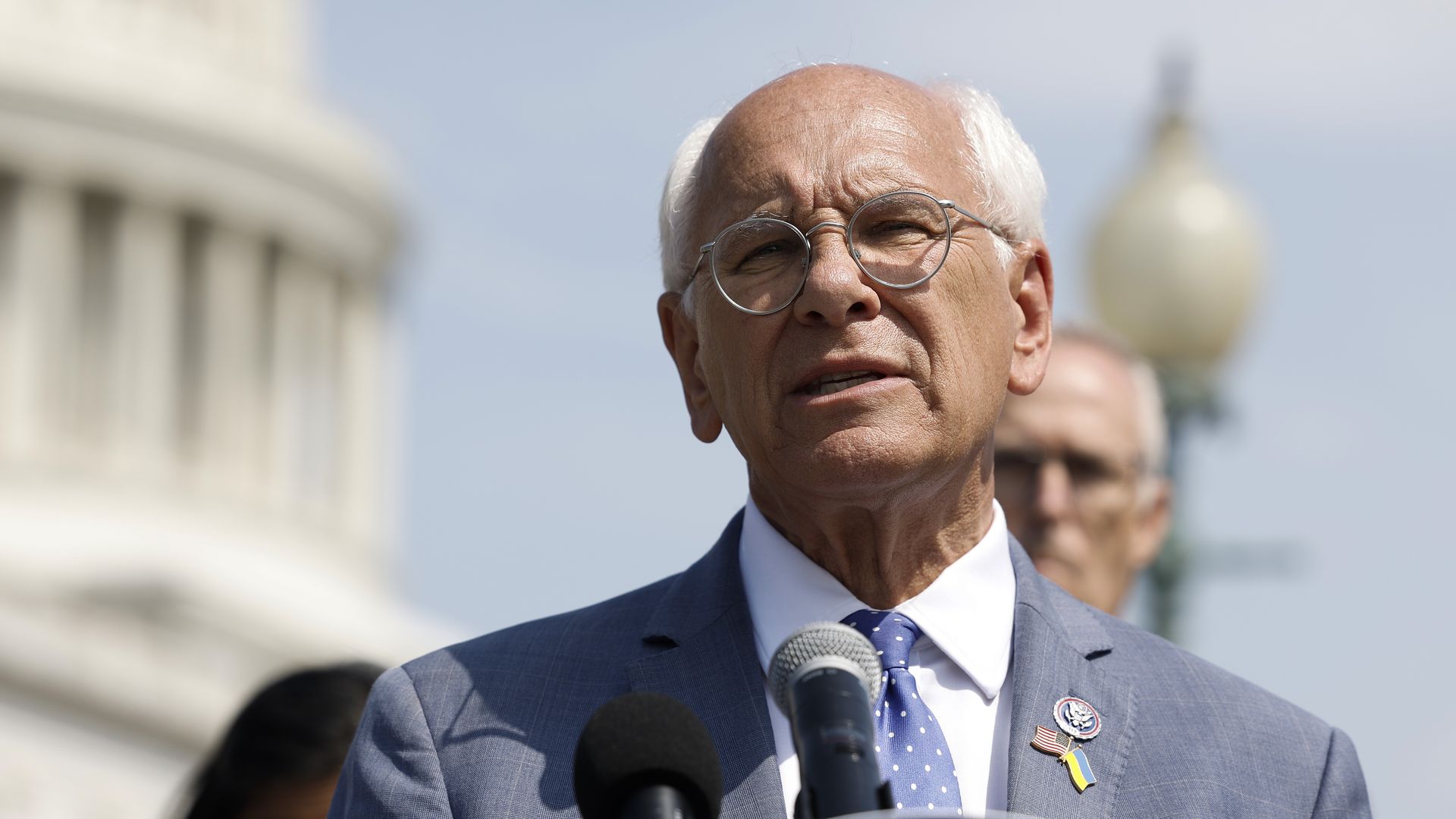
House Democrats are teaching their staffs how to write energy and climate legislation in a legislative world after Chevron deference, Nick writes.
Why it matters: The Supreme Court's decision in the Loper Bright case put fresh limitations on Congress' ability to delegate powers to agencies, which threatens to upend hard-fought climate regulations.
- Democrats spent a lot of time messaging against the decision and introducing bills to reverse it. Now they're turning to the post-Chevron reality.
Driving the news: The House Judiciary Committee and Sustainable Energy and Environment Coalition are both holding events with staff and NGOs on how to write bills post-Chevron, according to aides and lawmakers involved.
- Democrats would ideally add boilerplate language specifying that agencies should have interpretive deference. But it's not clear that would be viable in the courts.
- Instead, they'll likely have to take things on a case-by-case basis and use more narrowly tailored deference language in climate bills.
- "We as legislators now need to operate in this new reality and recognize that how we write laws needs to change," SEEC Cochair Paul Tonko told Nick.
Zoom in: Judiciary is holding a briefing tomorrow in hopes of encouraging staff to come to the committee early in the bill-writing process, or use resources like the Congressional Research Service to iron out Chevron concerns, a committee staffer told Nick.
- SEEC, Tonko said, "has taken a particular interest in making certain that our members … and their staffs are trained."
- Tonko said part of the Hill's response should be to hold "an immense amount of legislative hearings" and write more amicus briefs.
- That could make legislative intent clear when lawmakers use wording like "in the administrator's discretion" or "upon a determination by the secretary" in legislation, he said.
What we're watching: EPA regs will be put to the test post-Chevron, but there are also implications for Treasury's implementation of IRA tax credits.
- And there are outstanding questions about how this will mesh with other SCOTUS opinions on the Administrative Procedures Act and the major questions doctrine.
- As Sen. Sheldon Whitehouse pointed out: "You can take away Chevron deference, and that still leaves a lot of congressionally delegated authority in these agencies."
The bottom line: Congress isn't likely to pass a giant new regulatory law any time soon, but the implications of Loper Bright could trickle into much of what lawmakers do.
- "It's something we're going to have to think about a lot in the years ahead," Rep. Jared Huffman, a former NRDC attorney, told Nick.
2. House to vote on NEPA and energy bills
House lawmakers will vote this week on legislation create permitting exemptions for semiconductor projects, Nick writes.
Why it matters: CHIPS Act money has been caught up in permitting delays, and there's debate on the Hill about how to treat the NEPA process for projects that get federal dollars.
Driving the news: The floor vote, teed up under fast-track procedure, will be bipartisan.
- The Senate passed the bill by unanimous consent last year, and Sens. Mark Kelly and Ted Cruz tried to get it into the defense bill.
Zoom in: The House has also set up votes on a huge list of other energy and permitting-related bills before lawmakers skip town at the end of the week.
- Among them is Natural Resources Chair Bruce Westerman's Fix Our Forests Act, which would aim to speed environmental reviews for certain forest management projects. It's bipartisan but controversial among some Democrats.
- Also on the docket: the NASA reauthorization, geothermal bills from the Natural Resources Committee, pipeline research legislation and Rep. Brandon Williams' bill that would create a milestone-based nuclear fuel demo program at DOE.
3. What we're watching: CR vote and committee moves

💵 1. Here comes Santa Clause: House Speaker Mike Johnson is lining up a floor vote on a CR that would run until Dec. 20 (happy holidays, everyone).
- We all knew this was coming eventually, but he'll need bipartisan support on the floor to prevent a shutdown.
☢️ 2. Quick NRC moves: Matthew Marzano's nomination is slated to get a vote Wednesday in Senate EPW, just two weeks after his confirmation hearing touched on the sluggish pace of bureaucracy.
🔥 3. Turning up the heat: The Senate Homeland Security and Government Affairs Committee will mark up bills to speed up infrastructure permitting and qualify extreme heat as a major disaster.
🏛️ 4. SEC oversight: Chair Gary Gensler will drop by the Hill to testify before the House Financial Services Committee tomorrow and the Senate Banking Committee on Wednesday. Expect ESG and climate disclosure questions.
🤖 5. Addressing AI and SMRs: House Science, Space, and Technology will consider bills to establish a DOE AI program, study voluntary reporting of AI safety incidents, and spur demonstration projects of small modular nuclear reactors.
📝 6. Agency alert: EPA today announced it has finalized the third and final pillar of its hydrofluorocarbon phase-down regulations, part of a landmark effort on climate pollution that passed Congress in 2020.
✅ Thank you for reading Axios Pro Policy, and thanks to editors Chuck McCutcheon and David Nather and copy editor Brad Bonhall.
View archive