Axios What's Next

December 15, 2022

Battery news is coming fast and furious this year. Now, Joann has the latest on a multibillion-dollar facility opening in South Carolina.
Today's newsletter is 1,136 words ... 4½ minutes.
1 big thing: The "battery belt" widens
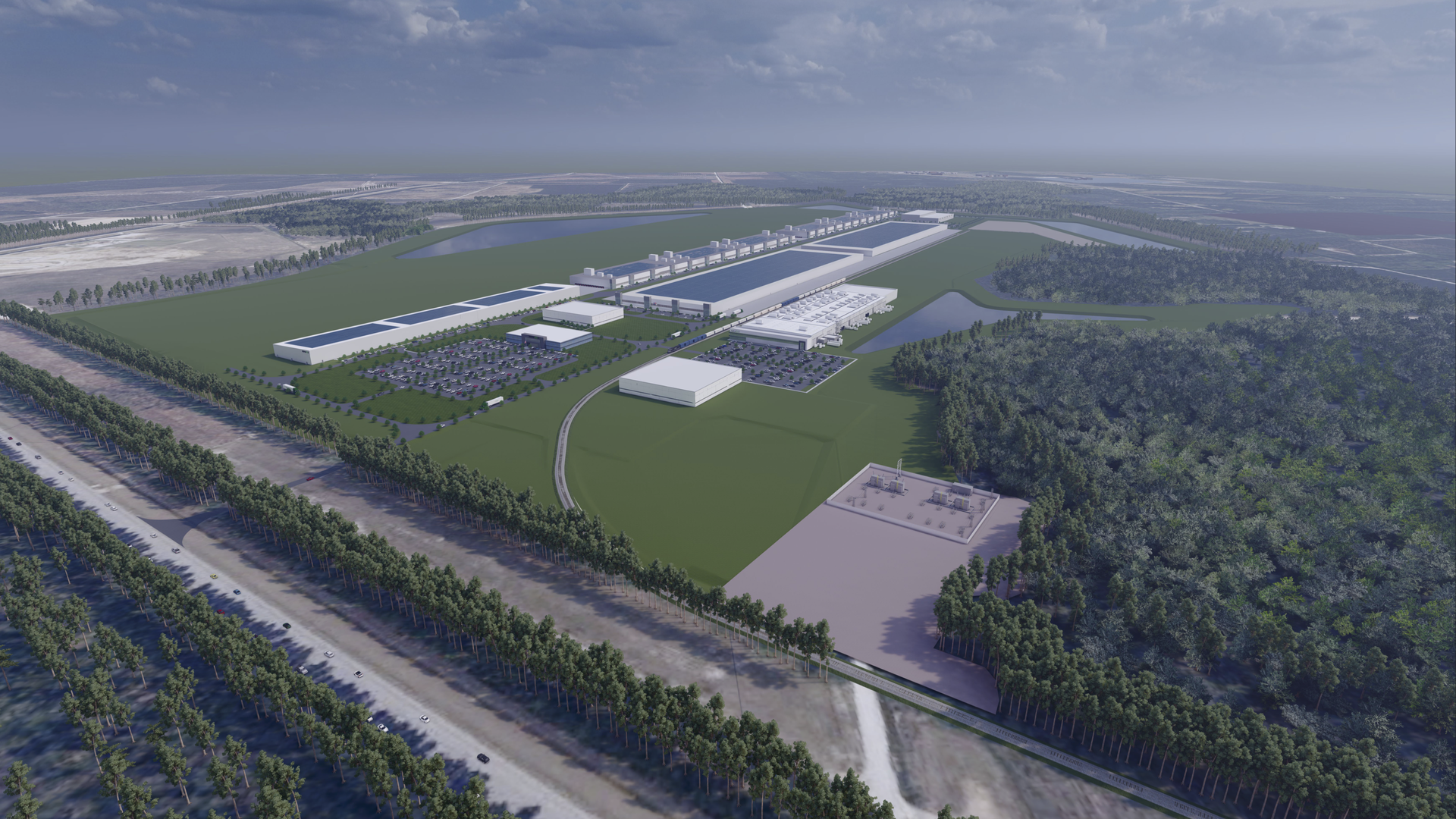
Rendering courtesy of Redwood Materials
Battery company Redwood Materials is investing $3.5 billion in a gigantic, new South Carolina recycling and manufacturing campus that will produce enough components to power a million electric vehicles, Joann Muller reports.
Why it matters: It's the latest in a wave of huge investments across America's emerging "battery belt," spurred on by new government policies and tax credits designed to promote development of a domestic EV supply chain.
Where it stands: At least 21 U.S. battery "gigafactories," worth $54.3 billion overall, have been announced since the beginning of 2021, according to Federal Reserve Bank of Dallas research.
- Domestic capacity is expected to grow more than fivefold from 2021 to 2026, projects Benchmark Mineral Intelligence, a battery research firm.
What they're saying: "The federal government has put together a pretty clear set of pretty substantial incentives that guide the direction of this transition, and it's really benefiting the country right now," Redwood Materials CEO JB Straubel, a Tesla co-founder, tells Axios.
- "There are incredibly large amounts of investment and economic activity coming straight to the U.S., which is a testament that it's working," he says.
Driving the news: Redwood's new battery materials campus, announced Wednesday, will be built on a 600-acre site near Charleston, South Carolina.
- A total of 1,500 jobs will be created, with operations beginning in phases starting by the end of 2023.
- For now, Redwood plans to produce 100 GWh of battery components per year. But the sprawling site has room to expand to "several hundred GWh annually" to meet future demand, says Straubel.
Between the lines: Redwood's technology fills a particular gap in the battery supply chain — the company recycles and processes expensive anode and cathode materials now made almost exclusively in China.
- Those U.S.-made components are in high demand, as carmakers now need parts made domestically to qualify for government incentives.
How it works: Redwood recycles, refines and remanufactures battery materials, with the goal of eventually creating a sustainable, closed-loop supply chain.
- The company collects end-of-life batteries from EVs — as well as consumer electronics like phones and laptops — and breaks them down to their basic metals, including nickel, copper, cobalt and lithium.
- It then reprocesses those materials into new battery anodes and cathodes — EVs' most critical and expensive components.
- "If we recycle a battery in the U.S., it's equivalent to basically mining that material in the U.S. We can do this faster than starting a new lithium, cobalt or nickel mine in the U.S.," says Straubel.
The bottom line: The more batteries produced or recycled in the U.S., the less geopolitical risk the country faces from relying on foreign supply chains.
Yes, but: Even with all the recent investments, the U.S. still won't have enough battery capacity to meet expected EV demand by the end of the decade.
2. Tech's year of big endings
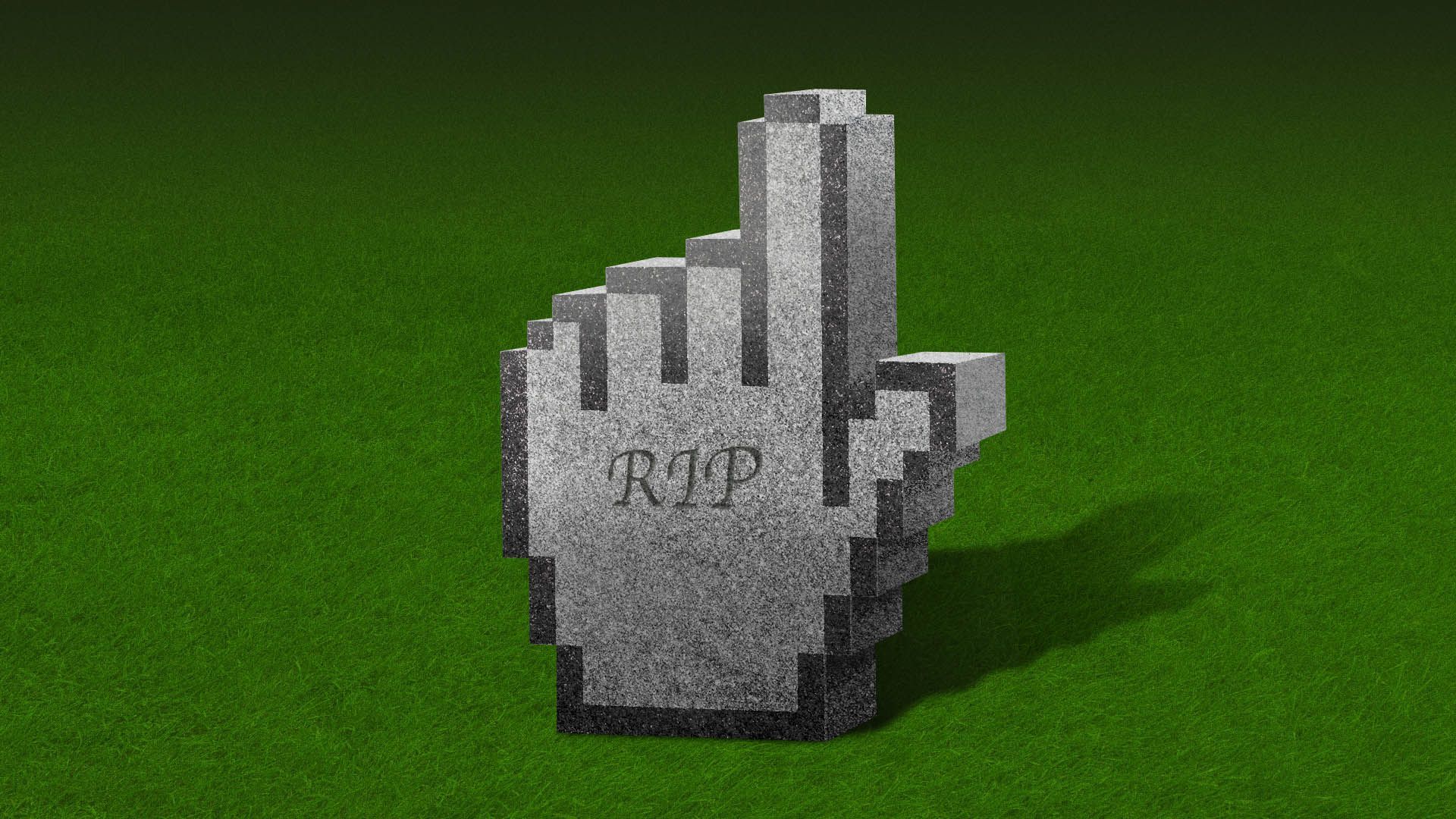
Illustration: Sarah Grillo/Axios
The big noise in tech this year was the sound of trends dying and eras concluding, Axios' Scott Rosenberg writes.
The big picture: Tech's 20-year run of mad growth, fueled for much of that time by easy money, came to a crashing halt in 2022 as the Federal Reserve raised interest rates to fight inflation.
- That left large tech companies scrambling to lay off workers and startups desperately hoarding their remaining cash.
The era of social media seemed to expire in front of our eyes too.
- TikTok's dominance among younger users suggests an online future focused less on one's personal network and more on content selected by a fiendishly efficient algorithm.
The techlash's final throes also played out in 2022.
- A long-term effort by the U.S. government to rein in tech's giants started five years ago with thunderous Hill hearings and cries of "Break up Facebook!" and ended this year in legislative paralysis.
The cryptocurrency boom was another big tech trend that 2022 halted in its tracks.
- Crypto's "winter" began with the market collapse last spring and deepened with the implosion of FTX in the fall.
What's next: With so many final chapters being drafted around us, it can be hard to spy new beginnings.
- Many of tech's possible next chapters — such as connected virtual reality worlds, augmented reality overlays and quantum-computing breakthroughs — will take time to unfold.
3. Inflation slowdown
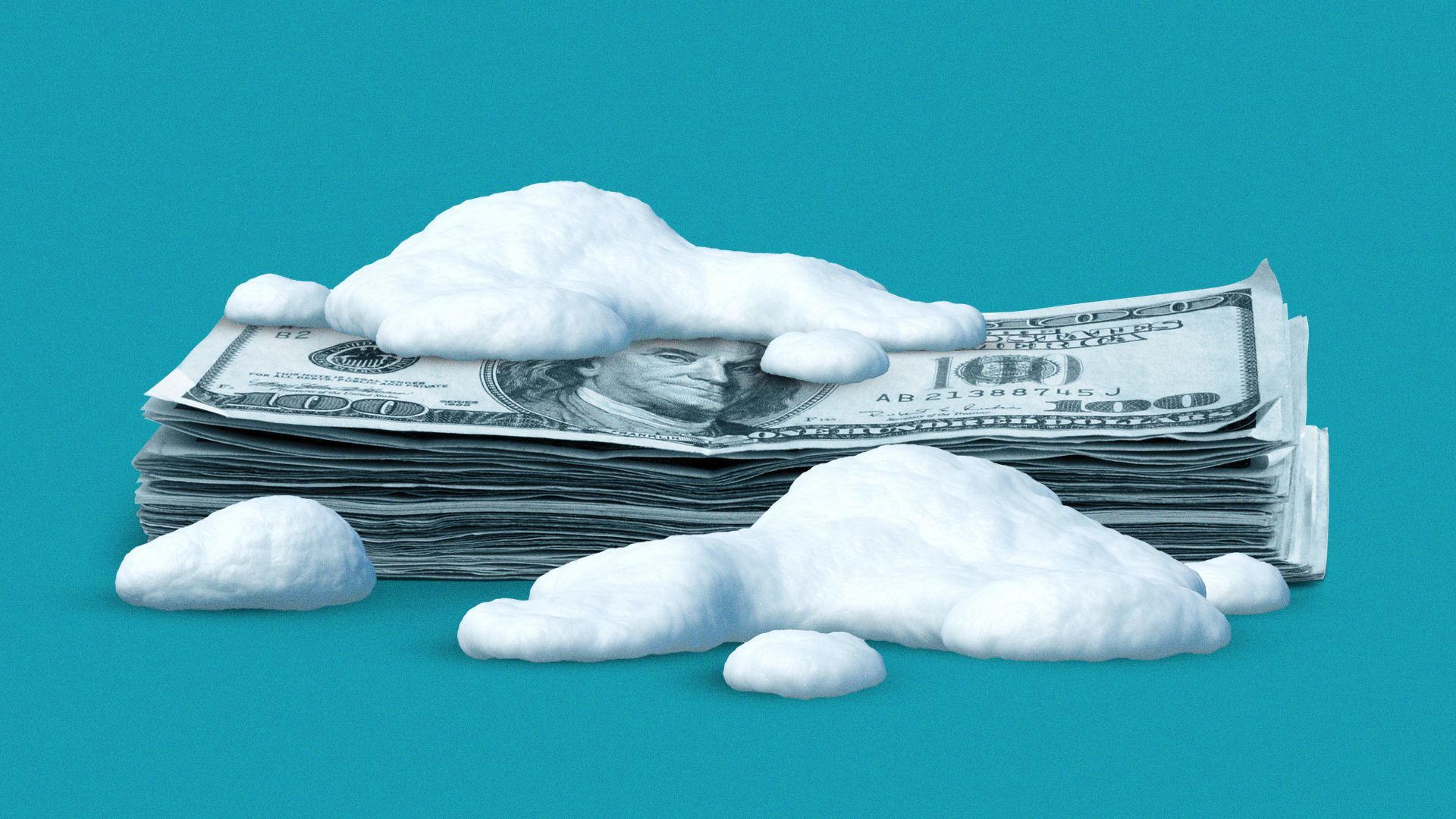
Illustration: Maura Losch/Axios
Inflation slowed once again in November, Axios' Courtenay Brown and Neil Irwin report, the latest clue that the worst of it may be behind us.
By the numbers: November's Consumer Price Index was up 7.1% over the last 12 months — the lowest since the end of 2021.
- Core CPI, which excludes volatile food and energy prices, has risen at a 4.2% annual rate over the last three months. That's well below the peak of 7.9% registered in the spring.
The bottom line: For the last 18 months, inflation has acted like the villain in a horror movie, re-appearing every time you think it might be dead.
- That could happen again — but November's CPI is the best evidence to date that the movie is finally near its end.
4. BMW's i3 becomes a cult classic
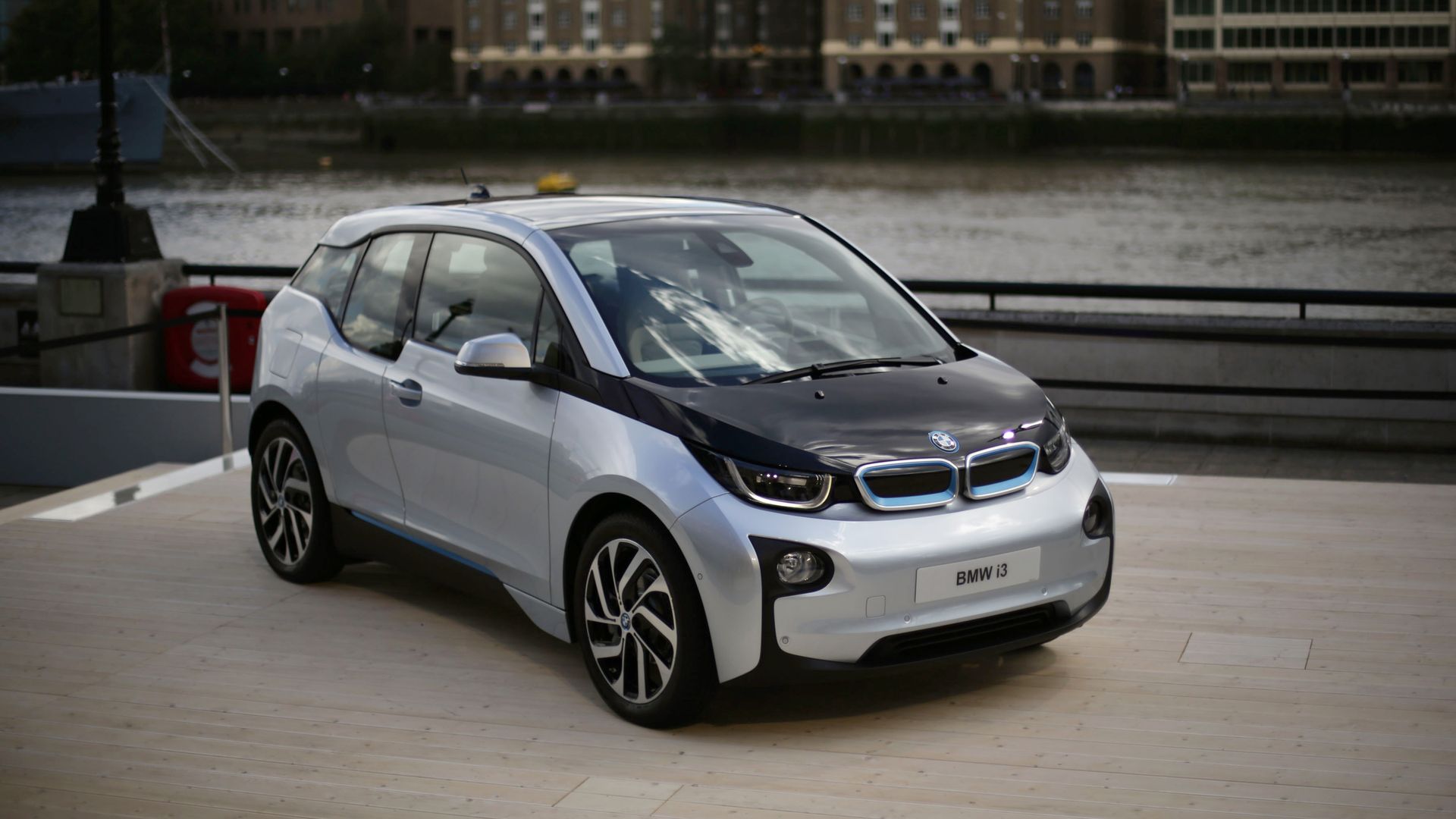
The BMW i3 at a launch event. Photo: Yui Mok/PA Images via Getty Images
BMW's diminutive i3 — the Munich automaker's first mass-produced electric car — has officially gained cult status, Bloomberg declares.
Why it matters: BMW is axing the i3 in favor of bigger, more traditionally designed electric cars and SUVs. But the model's fan following shows there's at least some demand out there for small, zippy electrics.
Details: The automaker built about 250,000 i3s, which have a range of about 150-200 miles, depending on options.
- They can now be found used for around $25,000-$30,000 — about the same price as entry-level electrics such as Chevy's Bolt EUV.
What they're saying: "Over a production run of more than 250,000 vehicles globally, the car has built a devoted following of owners who appreciate its distinctive style, surprising performance, just-enough range and bargain prices," reads Bloomberg's story.
💬 Alex's thought bubble: This story is so self-validating — I've always adored the i3.
5. MLS' big chance
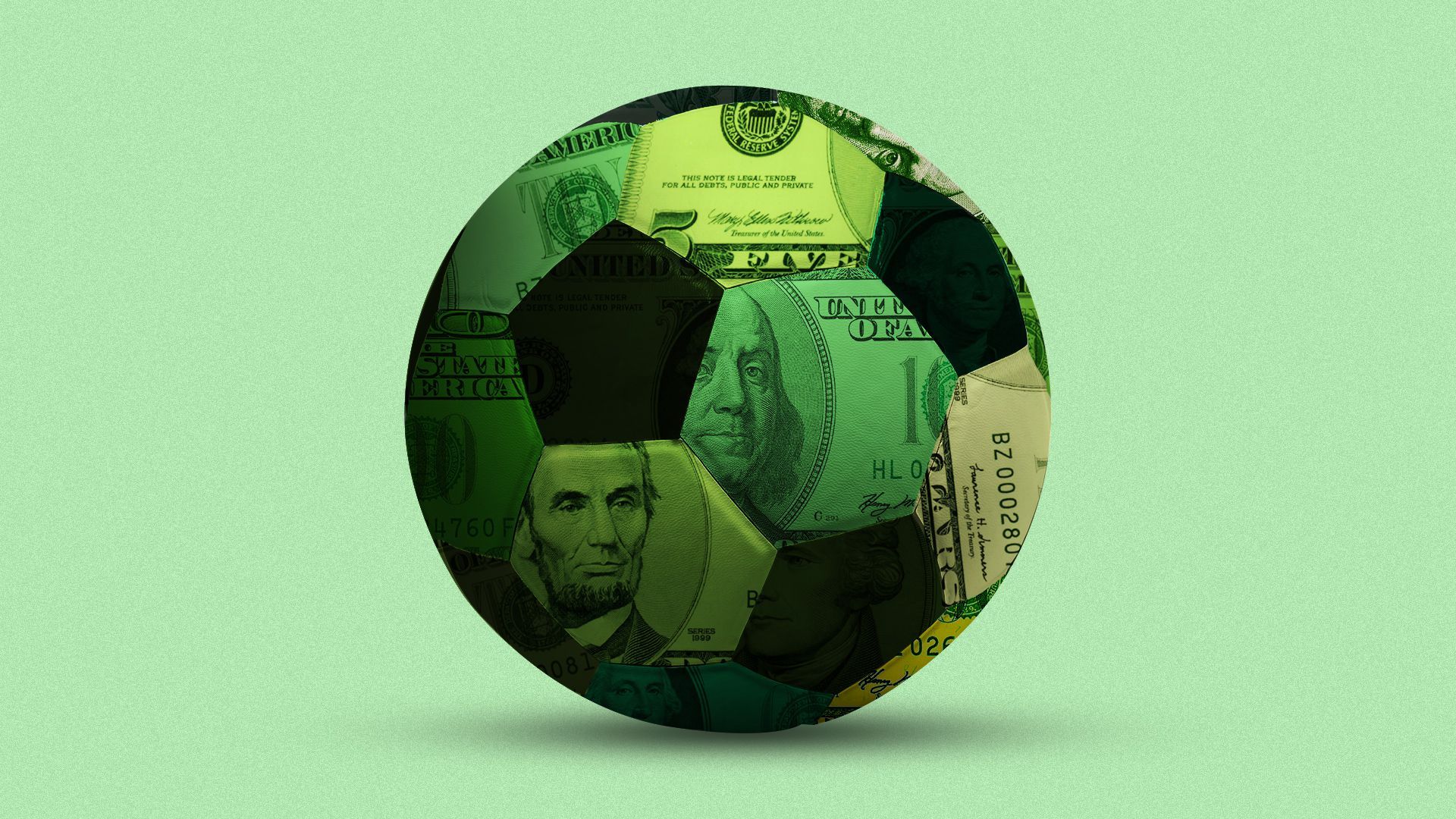
Illustration: Aïda Amer/Axios
Major League Soccer is setting itself up to capitalize on Americans' growing appetite for the sport coming out of the World Cup, Tim Baysinger writes in Axios Pro: Media Deals.
Why it matters: Soccer is one of the few remaining growth areas in the U.S. sports market.
Driving the news: MLS just announced new four-year TV deals with Fox and TelevisaUnivision, as well as Canada's TSN and RDS.
- Next year, MLS begins a 10-year global rights deal with Apple worth more than $2.5 billion. The tech giant is creating a new streaming service that will carry every MLS game.
The big picture: MLS has been seen as a second-tier league in both the U.S. sports and global soccer markets. But it's also coming off the strongest season in its 27-year history, setting attendance and TV viewership records.
What's next: MLS kicks off its 28th season on Feb. 25.
Big thanks to What's Next copy editor Amy Stern.
Was this email forwarded to you? Get your daily dose of What's Next by signing up here for our free newsletter.
Sign up for Axios What's Next

The next decade of big, sweeping changes will unfold in cities and communities where new technologies like 5G, AI and drones are transforming how we work, live and play together. What’s Next will guide you through the revolution.