Axios Vitals

August 18, 2025


Back to the Monday grind. Today's newsletter is 1,266 words or a 5-minute read.
1 big thing: Back to school vaccine confusion

The new school year is bringing more ambivalence and confusion over children's vaccines, as shifting policies under HHS Secretary Robert F. Kennedy Jr. and lingering skepticism lead more parents to opt out.
Why it matters: The U.S. this year experienced the worst measles outbreak in 30 years, a large uptick in whooping cough and the highest number of pediatric flu deaths in more than a decade.
State of play: Clinicians say moves like Kennedy's decision to stop recommending COVID-19 vaccines for healthy kids have emboldened segments of the public to question the effectiveness and safety of a range of shots for measles, mumps and rubella (MMR), pertussis, chicken pox and more.
- "They feel like if the government has chosen RFK Jr. to be the head of Health and Human Services, there must be something to that. There must be a reason to question vaccines," said Paul Offit, director of the Vaccine Education Center at the Children's Hospital of Philadelphia.
- Some pediatricians offices and even children's health systems have begun weighing whether to keep unvaccinated patients on their rosters.
- "It's gotten so bad that you're concerned about the waiting room with a lot of children who are unvaccinated. That's a risk, not only to them, but the children they come in contact with," Offit said.
Zoom out: Vaccine hesitancy is not a new phenomenon: Kindergarten exemptions from one or more vaccines grew in 36 states and the District of Columbia during the 2024-2025 school year.
- But pediatricians report they've been facing far more questions and concerns prompted by shifting federal policies, like the removal from all flu shots of the mercury-containing preservative thimerosal that anti-vaccine activists have suggested is linked to autism.
- Kennedy also qualified his support of the measles shot during the Texas outbreak, saying "the decision to vaccinate is a personal one" and suggesting the use of ineffective treatments.
The confusion may extend to adult vaccines — and whether pregnant women should get COVID boosters or the relatively new maternal RSV vaccine, said David Hackney, a fetal medicine physician in Cleveland.
2. MAHA divided on leaked follow-up report
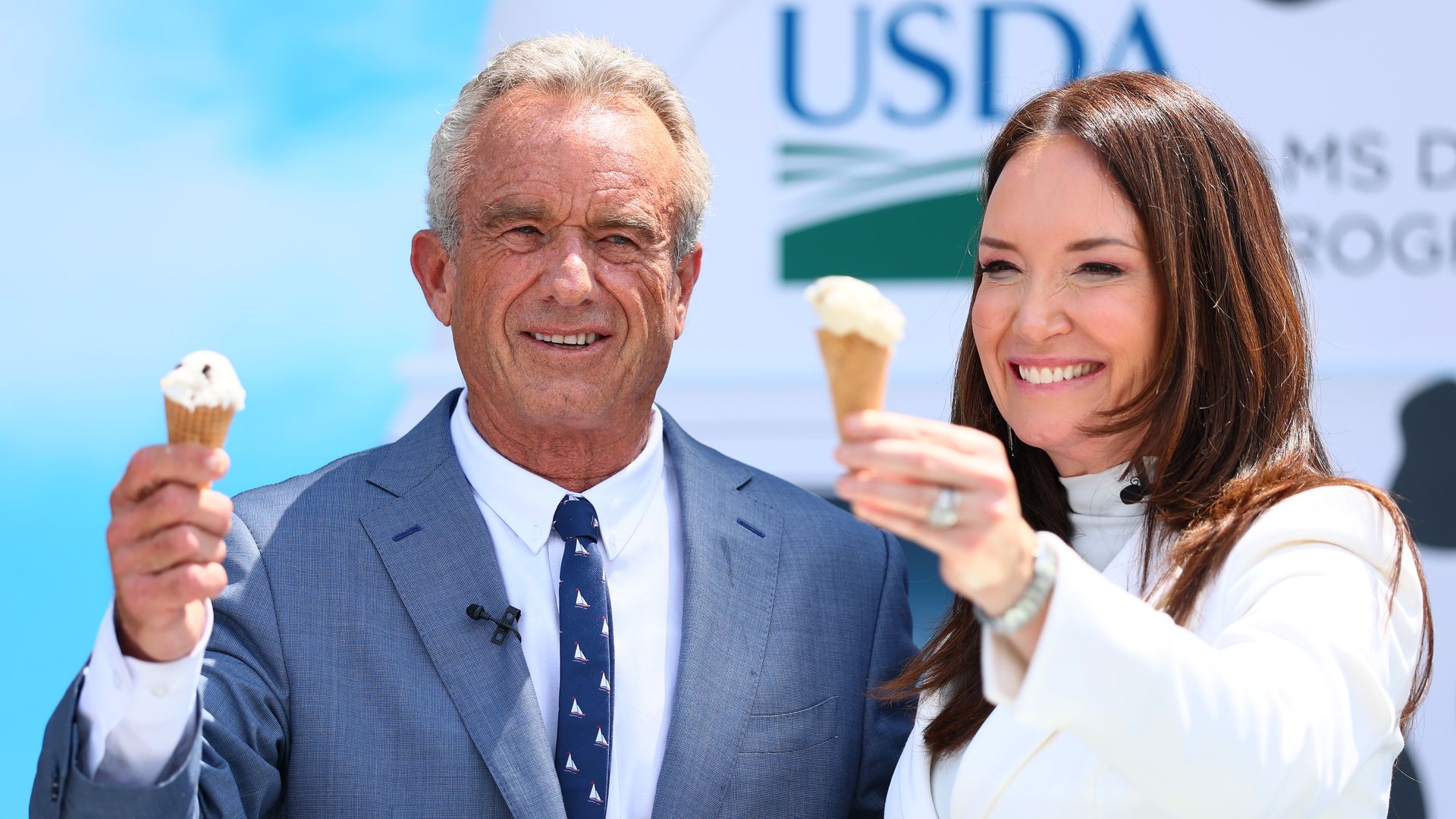
A leaked draft of the latest Make America Healthy Again Commission report on causes of chronic childhood illness isn't sitting well with segments of Kennedy's base, who were expecting a crackdown on pesticides and other chemicals used in farming.
Catch up quick: The draft aims to follow up on a May report from a presidential commission but mostly reiterates actions Kennedy has already taken, like calls for a new definition for ultra-processed foods, a plan to modernize guidelines for nutrients in infant formula and an update to the "Generally Recognized as Safe" regulations followed by food makers.
- When it comes to agriculture, a major target of Kennedy's base, the draft falls short of recommending new rules governing the use of pesticides, instead calling for the EPA to ensure the public is aware of and has confidence in the agency's pesticide review procedures. It also endorses precision agriculture to "reduce the total amount of pesticides needed."
The White House did not respond to questions about the authenticity of the report or a request for comment.
What they're saying: "I think it's a great start," Rob Houton, founder of the MACHA Coalition, an advocacy group that builds support for the MAHA agenda, who said he views it as a placeholder for congressional action.
- He pointed to steps like improving research into the repurposing of old drugs for other ailments, using AI in research and funding research into pediatric chronic diseases.
- "We're focused on innovative treatments, therapies, discoveries for diseases, particularly in the pediatric population, right? So that's one reason why we're thrilled."
Yes, but: A wide contingent in the MAHA movement prioritizes the removal of pesticides from the food system and expressed disappointment.
- "Some may say I am creating division by criticizing the MAHA Commission strategy draft. In fact, the authors of the report created division when they did not follow Trump's direction to get toxic chemicals out of our food supply," Zen Honeycutt, founder of Moms Across America, wrote on X.
- "We didn't come here because we want food dyes out of Froot Loops," David Murphy, a former fundraiser for Mr. Kennedy's presidential campaign, told the New York Times. "We came here because we want a fundamental rewriting of our food and ag policy."
Go deeper: Inside the leaked draft ... 19-page PDF.
3. UnitedHealth is unpopular, but its stock isn't


UnitedHealth Group's public reputation is still reeling, yet its battered stock has been something that more and more investors can't seem to resist.
Why it matters: Recent interest in its stock, from everyday investors to Wall Street's titans, shows that they have no issue looking past public sentiment when they see a path to share recovery.
Catch up quick: Ever since the December killing of its top insurance executive, Brian Thompson, UnitedHealth has borne the brunt of a wave of social media outrage over insurers' roles in coverage denials and rising costs — criticism UnitedHealth has insisted is misguided.
The impact: Its stock has taken a beating — it's fallen 55% since the public backlash in December.
The latest: That slide has drawn the attention of some pretty big investors, most notable among them, Warren Buffett's Berkshire Hathaway — which on Thursday disclosed having bought more than 5 million shares in the company as of the end of the June.
- Berkshire wasn't alone. David Tepper's hedge fund Appaloosa Management and Michael Burry's Scion Asset Management (made famous in "The Big Short") also disclosed having bought positions.
- That sent UnitedHealth's shares up 12% Friday.
4. Retired NFL players report health tolls

Half of all National Football League players who played in the 1988 season report experiencing pain every day, roughly twice as much as other men their age, according to a new ESPN/KFF Survey.
Why it matters: With the start of the NFL season around the corner, it's a reminder of the continued physical and mental health toll that's been associated with the game.
What they found: The outlets surveyed 546 former players who are on average about 62 years old and were among the 1,532 players from the 1988 season.
- 69% reported experiencing pain in the past three months, compared with 33% of men ages 55 to 75.
- 55% said they experienced confusion or memory loss in the past 12 months that is happening more often or getting worse, compared with 16% of other men.
- Nearly half (45%) of Black players rated their physical health as fair or poor, compared with 31% of white players. And 46% of Black players said their mental health was poor compared with 21% of white players.
Yes, but: 90% of the respondents said if given a choice, they'd play again.
- It wasn't just for the love of the game, but for positive impacts to their social lives, relationships, financial situations and employment opportunities.
5. While you were weekending

📢 Faith-based activists persuaded Costco to not offer the abortion pill mifepristone for sale at its locations, emboldening other anti-abortion groups. (Bloomberg)
⚖️ A Florida dairy farm was named in a lawsuit filed by a woman who claims she lost her unborn child after getting sick caring for her toddler, who fell ill after drinking raw milk. (CBS News)
👀 Kratom poisoning calls climbed in Texas as the state failed to enforce a ban on the synthetic version. (Texas Tribune)
🏥 Children who go to emergency departments in a mental health crisis and need to be hospitalized often end up stuck there for days. (NPR)
Thanks for reading Axios Vitals, and to editors Adriel Bettelheim and copy editor Matt Piper. Please ask your friends and colleagues to sign up.