
Axios Vitals

January 15, 2026

Happy Thursday, Vitals gang. Today's newsletter is 951 words, a 3.5-minute read.
1 big thing: Pregnancy prosecutions on the rise


Prosecutors in states with abortion bans are increasingly charging mostly low-income women with pregnancy-related crimes, in a test of whether fetuses and embryos have the same rights as children.
Why it matters: The cases further complicate the post-Roe landscape and bring particular scrutiny to pregnant women accused of drug or other substance use.
By the numbers: At least 412 pregnant women were charged with child abuse, neglect or other crimes related to pregnancy or pregnancy loss in the two years after the Supreme Court overturned the national right to abortion, the advocacy group Pregnancy Justice found.
- That's compared with an average of about 85 cases annually in the 16 years leading up to the June 2022 decision.
- The Dobbs ruling immediately gave more weight to "personhood" laws conferring full legal rights to fetuses, said Dana Sussman, senior vice president at Pregnancy Justice.
- It also opened the door to criminal prosecutions of women who used abortion pills or had miscarriages, though only nine cases between 2022 and 2024 explicitly mentioned abortion.
Case in point: A woman in Kentucky this month was charged with fetal homicide and abuse of a corpse after she ordered abortion pills online and buried the remains in her yard.
- Prosecutors later dismissed the homicide charges, but the woman was also indicted on two felony charges related to harming the fetus that could each bring up to five years in prison.
Zoom in: The vast majority of cases were brought in Oklahoma and Alabama.
- In about 67% of the child abuse cases brought nationwide, substance use during pregnancy was the only charge.
- Prosecutors did not have to prove the fetus was harmed by the defendant in order to secure a conviction in more than 85% of the alleged crimes.
- More than 3 in 4 defendants were low-income, based on their use of a court-appointed counsel or means-tested benefits like Medicaid.
2. Cassidy presses for limits on abortion pills
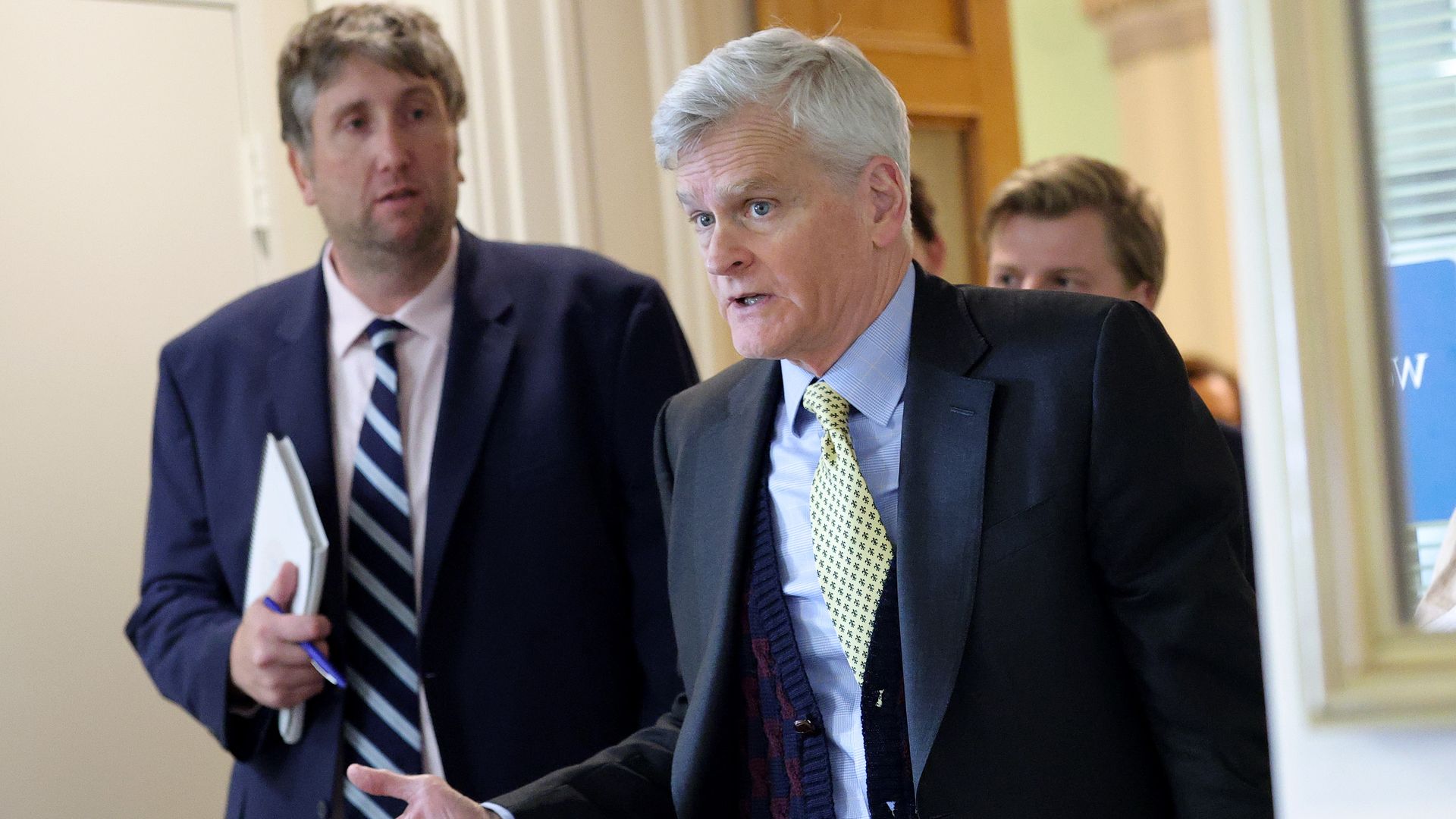
The chair of the Senate health committee touched off a new fight over abortion pills on Wednesday, calling on the Trump administration to immediately reinstate in-person dispensing requirements for the widely used drug mifepristone.
Why it matters: The comments from Bill Cassidy (R-La.) and other GOP senators at a hearing intensify pressure on the administration to tighten abortion access in an election year.
- The specific goal is to address the widespread availability of the pills through telehealth.
Driving the news: Cassidy called on Health Secretary Robert F. Kennedy Jr. and FDA commissioner Marty Makary to complete a safety review of mifepristone that they both promised during their confirmation hearings.
- GOP Sen. Jim Banks of Indiana questioned whether the agency is slow-walking the process.
- Changing dispensing rules would roll back a pandemic-era regulation the Biden administration made and effectively cut off teleprescribing and mailing of the drugs.
Democrats assailed the hearing as a sham aimed at discrediting the pills and accused Republicans of trying to use safety concerns to ban abortion nationwide.
An HHS spokesperson said a safety review is ongoing.
3. Trump admin reinstates mental health grants
The Trump administration late Wednesday reversed course after an outcry from patient advocates and reinstated as much as $2 billion of mental health and addiction grants that it had cut about 24 hours earlier.
The big picture: The cancellations had drawn fierce pushback from Congress and advocacy groups, who said the terminations would put vulnerable people's lives at risk and undercut behavioral health efforts.
Driving the news: Rep. Rosa DeLauro (D-Conn.), the top Democrat on the House Appropriations Committee, said Wednesday night that Health Secretary Robert F. Kennedy Jr. "bowed to public pressure," adding the cuts shouldn't have been issued in the first place.
- An administration official confirmed the cuts are being rescinded.
The big picture: While the full scope of the reductions wasn't immediately apparent, the National Alliance on Mental Illness had estimated the cancellations affected hundreds of nonprofits and other grantees, with the dollar amount possibly approaching $2 billion.
- The group said the cuts would disrupt programs aimed at suicide and overdose prevention and treatment and mental health awareness initiatives.
A copy of a termination letter from the Substance Abuse and Mental Health Services Administration reviewed by Axios earlier on Wednesday cited the agency's "adjusting its discretionary award portfolio, which includes terminating some of its awards" and seeking to align them with current agency priorities.
4. 1 big number: National health spending
The U.S. spent $5.3 trillion, or $15,474 per person, on health care in 2024 as demand for hospital care, prescription drugs and physician and clinical services surged, CMS wrote in a report Wednesday.
The big picture: It marked the second straight year in which health spending surged more than 7%, and brought health care's share of the economy to 18%.
Driving the news: The actuaries said the increased use of health care goods and services in 2024 was higher than many health insurers anticipated.
- Private health insurance enrollment increased to 214.3 million from 207 million in 2023, with a big bump in Affordable Care Act markets due to the extension of enhanced tax credits.
- Federal Medicaid spending was relatively flat, with enrollment in the program falling by 7.9 million people as states continued post-pandemic eligibility redeterminations.
5. Catch up quick
📉 U.S. overdose deaths fell through most of last year, with declines seen in all states except Arizona, Hawai'i, Kansas, New Mexico and North Dakota. (AP)
🥛 President Trump signed a bill reversing an Obama-era policy and allowing schools to serve whole milk again. (NYT)
⚖️ The Justice Department won a major Medicare Advantage fraud settlement, a $556 million deal with Kaiser Permanente. (Stat)
Thanks for reading Axios Vitals, and to editors Adriel Bettelheim and David Nather and copy editor Matt Piper. Please ask your friends and colleagues to sign up.
Sign up for Axios Vitals