Axios Vitals

December 21, 2024


Happy Saturday! Here's our final special edition about what's next for health care as a new administration assembles and power realigns in Congress.
🎉 These special editions have been led by our colleagues at Axios Pro Health Care Policy: reporters Victoria Knight and Peter Sullivan and senior health care editor Adriel Bettelheim.
- If you like what you see, sign up for Axios Pro Policy.
- Today's newsletter is 736 words, a 3-minute read.
1 big thing: Door opened to hospital reforms

Hospitals dodged substantial efforts to reform their industry through a year-end spending package, but advocates say the door has at least been cracked open to follow-on attempts addressing issues such as the way they bill for outpatient care.
Why it matters: After years of focusing on drug costs, this Congress started to train more attention on hospitals, which constitute the biggest share of U.S. health spending.
- "Hospitals went unscathed for the most part this go-around," said a hospital industry source. "But the bigger threats linger."
Driving the news: U.S spending on hospital care grew at its fastest clip in more than three decades last year, and some in Congress want to slow the trend.
- There's also more attention being paid to private equity ownership of health systems, which is frequently blamed for putting profits ahead of patients.
- But the industry remains a powerful political force, given that hospitals are major employers in many members' districts.
Between the lines: The most substantial reforms, known as site-neutral payments, would have Medicare pay hospital outpatient departments the same amount for the same service as independent physician offices.
- Site-neutral payments could save more than $100 billion over a decade.
- While House lawmakers weighed some sweeping site-neutral proposals; they were later pared down and never seriously considered in talks on the year-end package.
The other side: Hospitals argue that site-neutral payments do not account for higher costs at hospital outpatient departments and would especially harm rural areas — a particularly potent argument in the Senate, where lawmakers have been more protective of the industry.
A more limited proposal that almost made it across the finish line this year would have required hospital-run outpatient departments located off campus to have a unique identifier number.
- That's a cost-saver designed to prevent outpatient departments from billing payers at higher amounts associated with full-service hospitals.
- The provision was included in the spending package that President-elect Trump torpedoed on Wednesday, and was subsequently dropped from a revised deal.
What they're saying: The initial inclusion of the unique identifier "is a sign that a small victory can be won," said Sophia Tripoli, senior director of health policy at Families USA.
- Before the provision was dropped, she called it a "steppingstone," given that it "barely scrapes the surface on addressing the roles of hospital consolidation and hospital pricing abuses in the markets."
- Jason Kleinman, the American Hospital Association's director of federal relations, called the provision "unnecessary and duplicative" and said AHA "will continue to educate lawmakers on the indispensable" role of hospitals in patient care.
What's next: Backers of hospital cost reforms are hoping Congress will take broader action on site-neutral payments in 2025.
- Sen. Maggie Hassan (D-N.H.) praised the unique identifier's inclusion in the original spending deal and said it "demonstrates the strong, bipartisan interest in making additional progress on site-neutral payments next year."
2. Steward debacle put private equity in spotlight
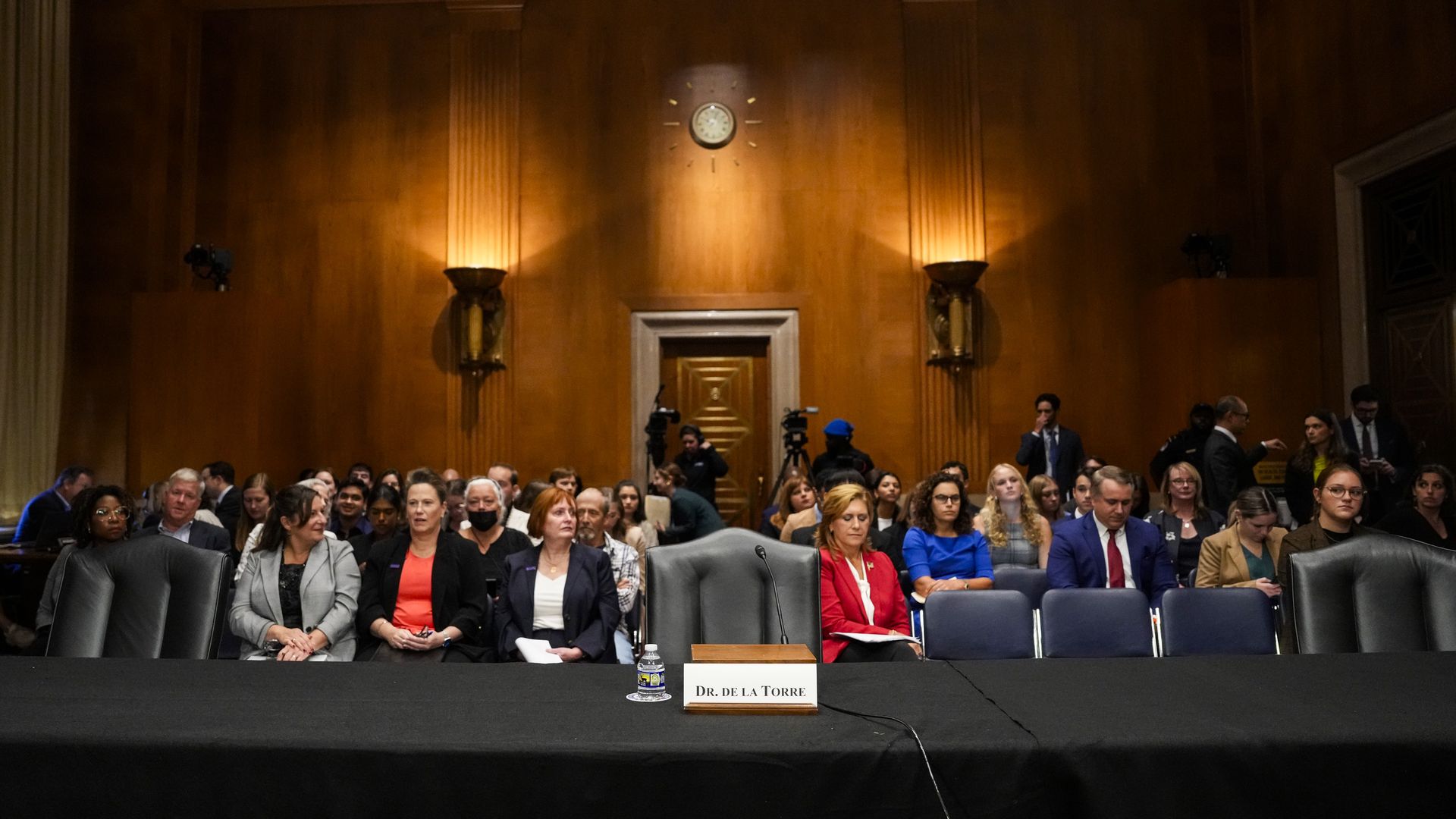
The collapse of Steward Health Care, which was previously owned by private equity firm Cerberus, has increased scrutiny of private equity's role in health systems — including how it affects patient outcomes.
The big picture: A Senate health committee hearing this fall on fallout from the chain's bankruptcy spurred new calls for a broad policy response.
- But the focus was heavily tilted to the Democratic side of the aisle. Republicans largely focused on Steward's mismanagement without drawing more sweeping conclusions on private equity.
By the numbers: About 460 hospitals are owned by private equity firms, including almost one-quarter of all for-profit facilities, per the Private Equity Stakeholder Project.
- The American Investment Council, a PE trade group, has said "headline-seeking politicians" are blaming the industry instead of addressing systemic problems head-on.
Between the lines: Sen. Ed Markey, whose home state of Massachusetts is home to Steward hospitals where witnesses said patient care has suffered and patients have even died as a result, introduced a bill to crack down on private equity in health care.
- His Health Over Wealth Act would give HHS new power to revoke private equity investment licenses in cases where price gouging or understaffing have been evident.
- But the measure didn't generate Republican support, underscoring the difficult road to passage.
The health committee did vote to hold Steward CEO Ralph de la Torre in contempt over his refusal to comply with a subpoena to testify at a hearing on the health system's financial collapse.
- De la Torre subsequently sued the committee, arguing its moves to compel him to testify are unconstitutional.
Thanks for reading Axios Vitals, and to senior health care editor Adriel Bettelheim, managing editor David Nather and copy editor Matt Piper.