Axios Vitals

August 03, 2026

It's Monday. Sorry about that. Today's newsletter is 1,095 words, a 4-minute read.
🚨 Situational awareness: AstraZeneca has held recent talks to combine with Bristol Myers Squibb in a megadeal that would create a pharmaceutical giant worth nearly $400 billion, FT reported.
1 big thing: Medicaid work requirement crunch arrives
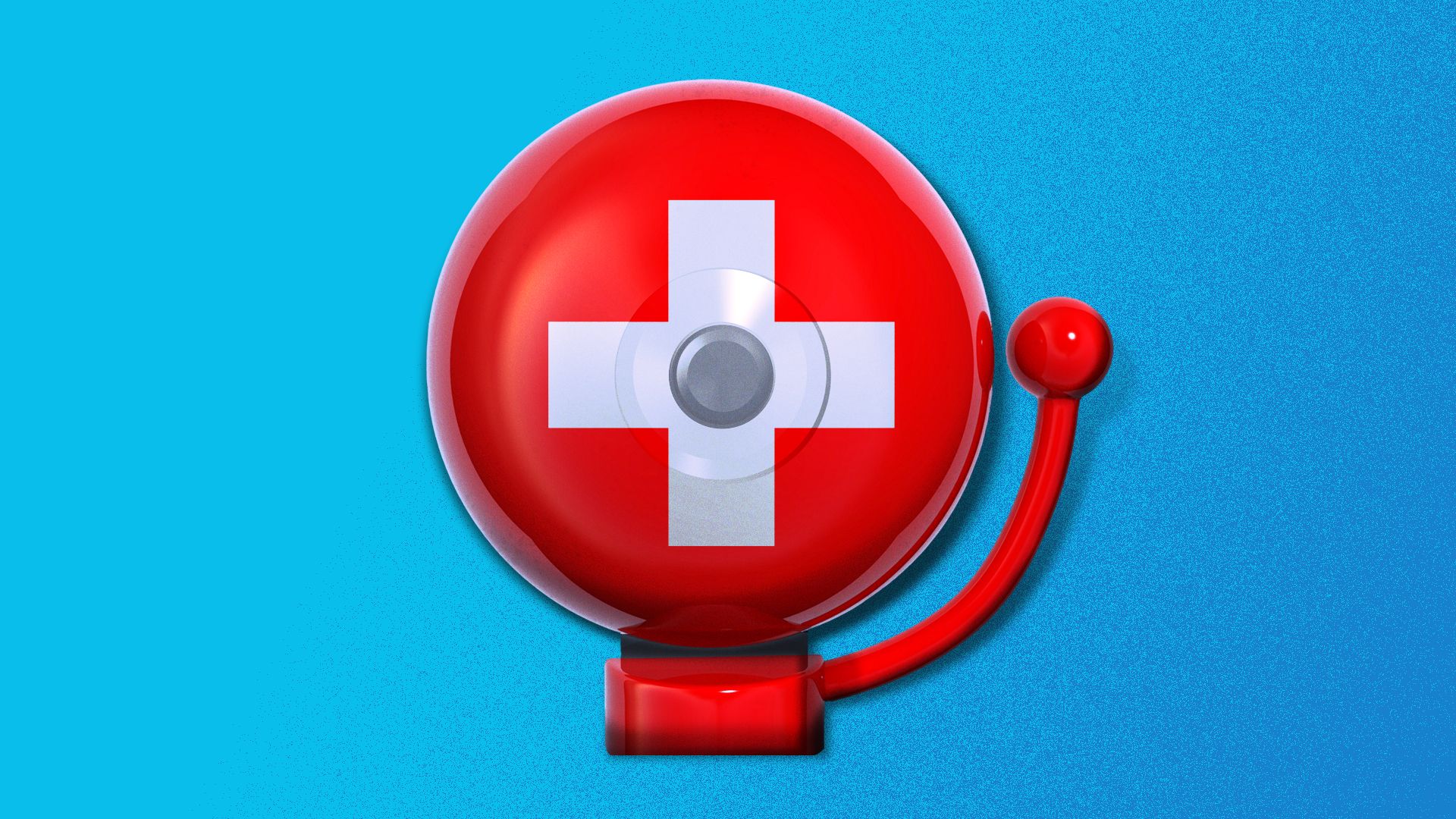
Massive changes to Medicaid eligibility are entering a new phase as states begin implementing new work rules and patients face the first real risk of losing coverage.
The big picture: The crunch period has started for states to get the word out and set up systems for many Medicaid enrollees to report at least 80 hours a month of work, school or volunteering or get an exemption.
- "If that goes wrong, people are going to be really, really upset, and that is a political firestorm that nobody wants," said Matt Salo, a health care consultant and former executive director of the National Association of Medicaid Directors.
Driving the news: In Nebraska this week, Medicaid enrollees who fail to report their community engagements will start to lose coverage.
- Reporting requirements are reportedly already causing confusion for Medicaid enrollees in the state, which is the first to implement requirements well ahead of the Jan. 1 national deadline.
- The state's Medicaid director said about 200 people will lose coverage this week, and each denial is being reviewed multiple times before enrollees are notified, the health policy podcast "Tradeoffs" reported.
What they're saying: Patients, providers and advocates flooded the administration with tens of thousands of comments last week, urging changes to its directions for how states must implement the work requirements passed by Congress last year.
- Many raised concerns that the disability and illness exemptions are inadequate.
- The American Cancer Society released new survey results showing that 90% of cancer patients and survivors said they had to miss work, school or volunteering gigs as a result of their illness.
State of play: Providers are getting anxious, too. The rules for state implementation of work requirements will push responsibility for determining medical exemptions onto clinicians, who are already overburdened by paperwork.
- "Physicians are trained to diagnose and treat medical conditions — not to conduct vocational or occupational assessments regarding an individual's ability to satisfy government work reporting requirements," the American College of Physicians wrote in a comment letter to CMS.
The other side: "As with all rulemaking, CMS will carefully review and consider all timely submitted comments as part of the rulemaking process and will determine whether any changes are appropriate in future rulemaking," HHS spokesperson Emily Hilliard said.
Zoom out: The comments came as a federal judge in Massachusetts declined a request from half of the states to halt the implementation directions.
- The Democrat-led states' lawsuit against the Trump administration centers on its rules for medical frailty exemptions from work requirements, which the states argue are more restrictive than Congress intended.
2. A new attempt at a drug discount overhaul

The administration is again trying to revamp the federal discount drug program after a court stopped its first attempt on procedural grounds.
Why it matters: A revised plan unveiled on Friday shows a continued commitment to let drugmakers carry out price reductions in the 340B program through rebates instead of cutting prices at the front end.
- Hospitals say the change would threaten their cash flows and create administrative burdens at a time when they're dealing with fallout from federal Medicaid cuts and upheaval in Affordable Care Act markets.
Driving the news: The Health Resources and Services Administration laid out a revised pilot program that would make hospitals in the program pay full price up front for certain medications, then submit claims for rebates.
- The agency cited concerns about maintaining program integrity at a time when the drug supply chain is getting more complex, also noting that program spending grew to more than $100 billion in covered outpatient drugs last year.
Between the lines: The plan isn't an open-ended overhaul but could squeeze rural, safety-net and smaller providers that rely on 340B savings to support patient care and operating margins, according to a Raymond James note.
The other side: The American Hospital Association said the administration was ignoring the hundreds of millions of dollars in compliance expenses and operational burdens the change will bring.
What we're watching: Whether hospitals go back to court to try to stop the plan, the way they did with the administration's first try.
3. Quote du jour
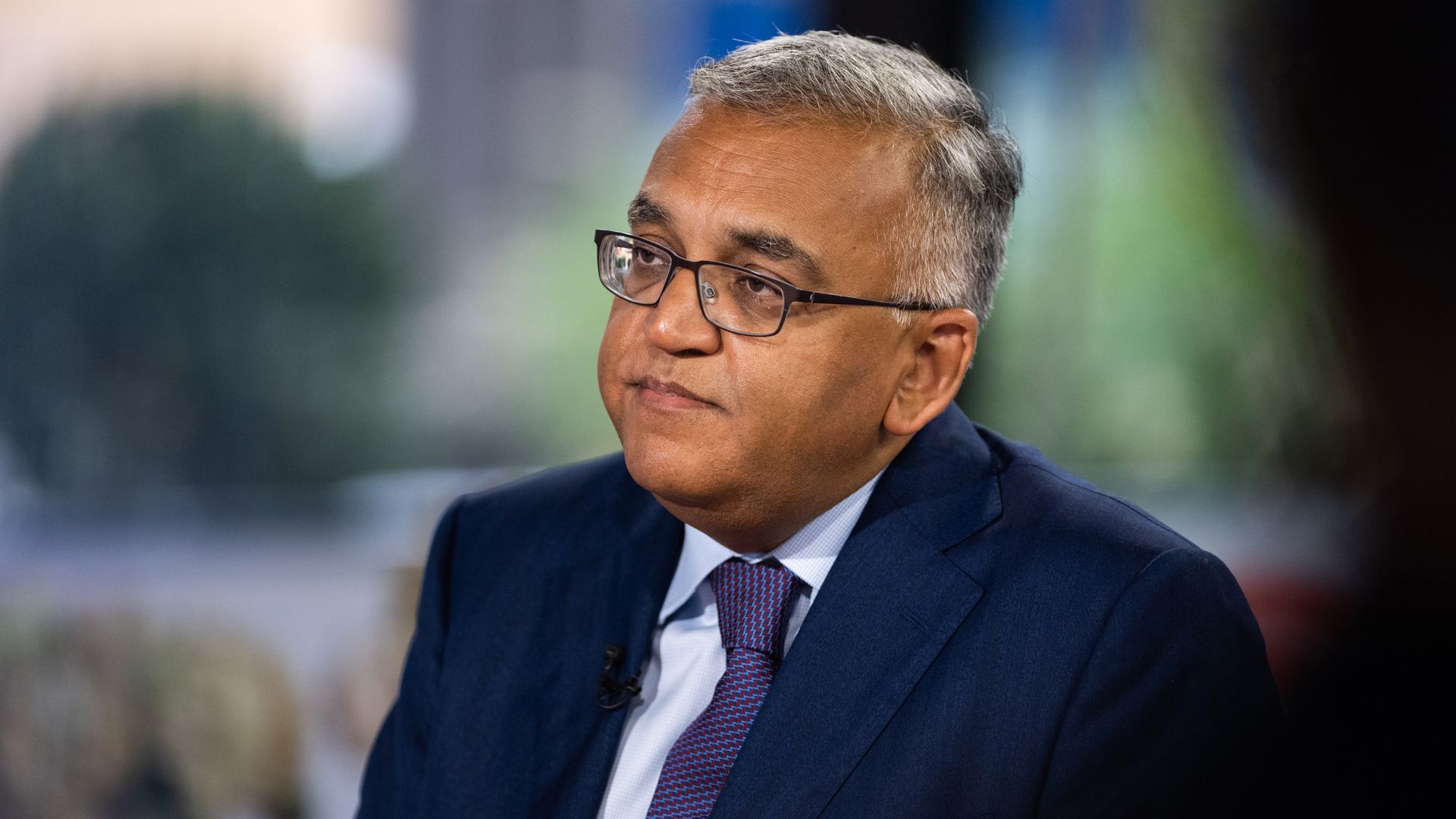
"Based on information I learned and based on information I've seen, I have come to conclude that it is more likely to have been a lab leak."— Former Biden White House COVID-19 response coordinator Ashish Jha to CNN on his changing views about the origin of the pandemic.
4. Poll finds common ground on maternal health

Nearly 8 in 10 voters say they're more likely to support a candidate who champions maternal health reform, with the vast majority backing proposals regardless of party, according to a new national poll.
Why it matters: In a deeply polarized era — particularly around women's health issues — maternal health is a rare area of bipartisan agreement.
The big picture: The national poll commissioned by Healthy Moms, Healthy Babies America — a project of the Heartland Forward think tank — comes as labor and delivery units close in hospitals across the U.S., leaving patients to drive hours to receive obstetric care.
- The findings also come as states prepare for sweeping Medicaid changes that health advocates warn could jeopardize access to prenatal care for low-income women.
By the numbers: The poll, by Kellyanne Conway's KAConsulting, found that 77% of voters said maternal health in America needs to improve.
- After voters were given information about the issue — such as data showing there are 17.9 deaths per 100,000 births in the U.S. and that the bulk of those deaths are considered preventable — support jumped to 86%.
- The biggest jump in voters saying maternal health needs to improve was among those who knew the least about the issue, including Republican women (21 points) and Trump voters (17 points).
- The poll included 1,001 registered voters surveyed July 12–16; margin of error ±3 percentage points.
5. While you were weekending

😷 Health Secretary Robert F. Kennedy Jr. yesterday blamed pandemic lockdowns on Anthony Fauci while reviving a string of debunked assertions about vaccines, RSV and measles. (CNN)
💉 A group of senators asked Kennedy to disclose whether his family stands to profit from a recent legal settlement involving Merck's Gardasil vaccine. (Reuters)
🩸 The American Red Cross says "tens of thousands" of people donated blood last week after it declared a national blood crisis, but the U.S. still needs more donors. (Axios)
Thanks for reading Axios Vitals, and to editors Adriel Bettelheim and David Nather and copy editor Matt Piper. Please ask your friends and colleagues to sign up.
Sign up for Axios Vitals