Axios Vitals

August 04, 2025


Welcome back. Today's newsletter is 1,039 words or a 4-minute read.
1 big thing: More pharma giants sell direct to patients
Drugmakers are increasingly using telehealth platforms to sell their medicines directly to patients — and President Trump is pushing for more companies to get into the game.
Why it matters: Direct-to-consumer sales require only a few mouse clicks, often without the need to manage appointments or insurance forms. Online sales can also bypass pharmacy middlemen, in theory lowering prices and providing more transparency into what patients have to pay.
- But there are tradeoffs, like the prospect of overprescribing or manufacturers steering patients toward expensive name-brand drugs.
Driving the news: Trump on Thursday sent letters to the CEOs of 17 pharmaceutical companies, demanding they bring down U.S. prices within 60 days. The requirements include providing direct-to-consumer or direct-to-business drug purchasing models for certain products.
Several pharma giants have already committed to these models or are exploring them, in part driven by the surging popularity of GLP-1 drugs that are expensive and often not covered by insurance.
- Eli Lilly last year became the first pharmaceutical company to launch a direct-to-consumer health care platform for its diabetes, obesity, migraine and select other medications.
- Pfizer and Novo Nordisk have since launched their own direct sales models, and the CEO of Roche said last month that the company is considering something similar for U.S. patients.
- In the first quarter of this year, about 25% of new prescriptions for Lilly's weight-loss drug Zepbound were fulfilled through LillyDirect, per a spokesperson.
How it works: Lilly's and Pfizer's DTC models start with virtual visits with independent practitioners working with telehealth platforms, who can — but are not obligated to — prescribe medicines in each company's program.
- Patients can then order medications directly from the company, and can often arrange to have them delivered to their homes.
- Some drugs on Lilly's DTC platform, including vials of Zepbound, are only available for patients who pay cash, which streamlines the process. Patients can use their commercial insurance for other drugs.
2. States can apply to rural health fund soon
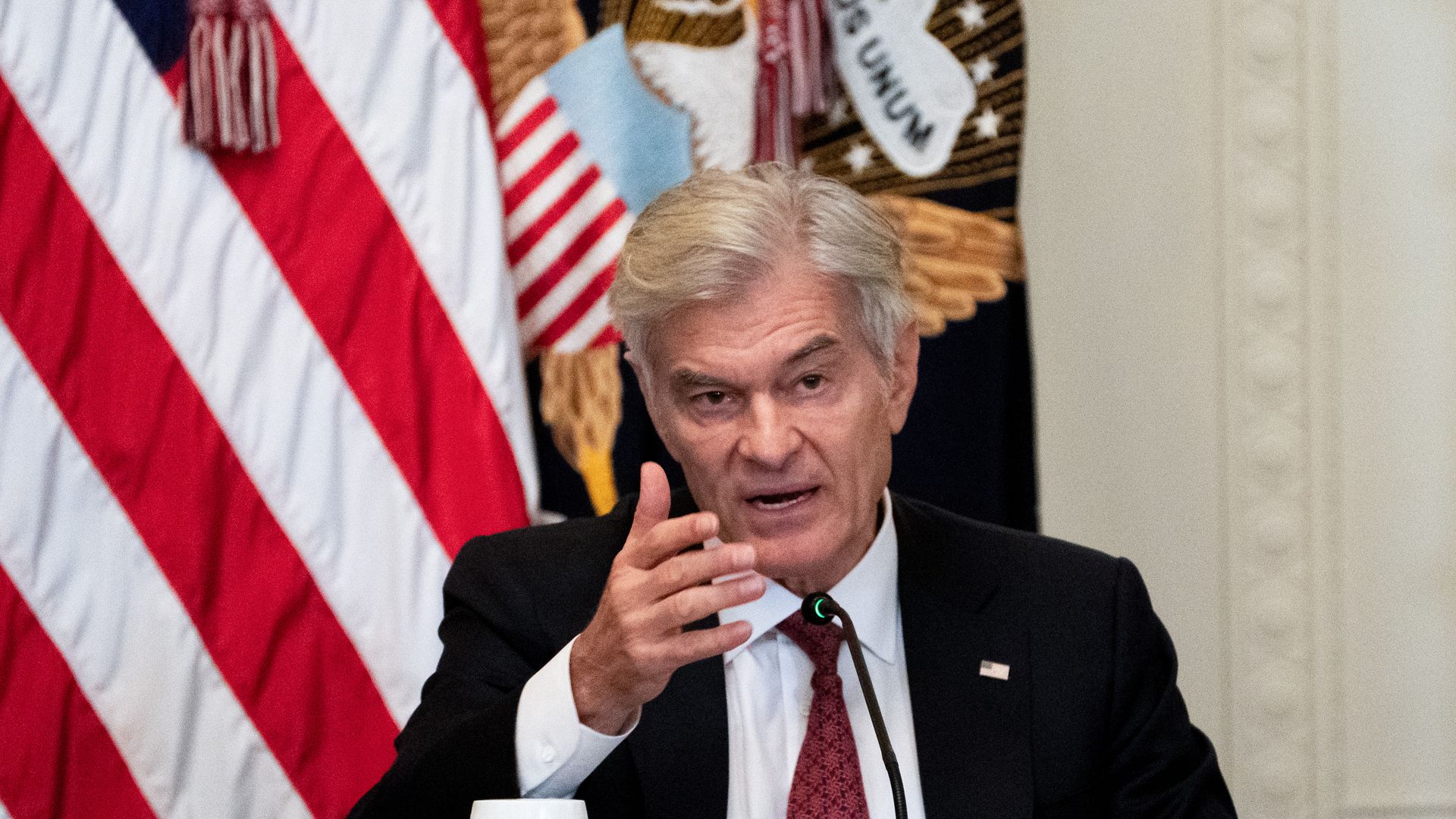
States in early September can begin the process for tapping the new $50 billion rural health fund that Republicans in Congress included in their tax-and-spending law, CMS administrator Mehmet Oz said yesterday.
Why it matters: The applications that will be sent out represent the one shot states get to apply for a piece of the federal funding lawmakers designated to help stabilize rural hospitals and providers in the face of nearly $1 trillion in cuts the law makes to Medicaid.
- Oz's agency is supposed to approve each state's application by Dec. 31.
Questions remain over what factors CMS will prioritize in state applications and how much it will actually benefit rural providers, Axios Pro's Victoria Knight has reported.
Zoom in: The law stipulates that $25 billion of the fund should be distributed equally among all states that submit a rural health transformation plan. CMS has the discretion to distribute the other half as it sees fit.
What he said: "The money is designed to help you with workforce development, rightsizing the system and using technology to provide things like telehealth that can change the world," Oz said on CBS News's "Face the Nation with Margaret Brennan."
Reality check: $50 billion would offset only about one-third of the Medicaid funding rural areas are expected to lose under the law, KFF noted.
3. 56% of new moms miss postpartum checkups


More than half of new mothers in the U.S. are missing critical postpartum checkups, new data shows.
Why it matters: Postpartum visits save lives.
- The risk to maternal health doesn't end after an initial postpartum appointment: A recent JAMA Network Open study found that nearly one-third of pregnancy-related deaths in the U.S. occurred six weeks to one year postpartum.
By the numbers: 56% of new moms skipped postpartum follow-up visits within three to eight weeks of childbirth, per a new analysis from health data company Cedar Gate.
- That's a sharp jump from previous national estimates (about 40%).
- Younger women (ages 20 to 24) were more likely than older moms (ages 40 to 44) to miss those visits.
Catch up quick: In 2018, the American College of Obstetricians and Gynecologists updated its guidance to recommend a postpartum check-in within three weeks of birth and a full exam by 12 weeks — a shift from the previous six-week standard.
- Patients with C-section births, gestational diabetes, hypertensive disorders or other comorbidities with their pregnancies "are going to also need a visit within the first seven days after giving birth," says Jane van Dis, an OB hospitalist who practices in New York.
4. Mushrooms take root in food and beverages

Centuries after they were considered medicinal, mushrooms are today's go-to "functional" food — with a brain-boosting, sustainable aura that particularly appeals to Gen Z.
By the numbers: Sales of food and beverages with functional mushrooms are up over 450% in the U.S. since 2021, according to NielsenIQ.
- Mushroom coffee is one driver of that growth. Dollar sales are up about 55%, and with volume sales up 74% so far this year (through mid-July) compared with the same time last year, that's a clear sign it's gaining momentum, according to Circana industry adviser Darren Seifer.
- Mushroom coffee is still a "very, very tiny" slice of the coffee market, making up less than 1% of sales, he says.
Zoom in: Mushrooms are a good source of the antioxidant ergothioneine and B vitamins, which could all support the brain, says Chicago-based registered dietitian Janet Helm, referencing a growing body of research on mushrooms' cognitive health benefits.
Yes, but: Mushroom products — particularly those with mushroom powders and mushrooms low on the ingredient list — can oversell their mood-lifting effects, which haven't been widely studied.
5. While you were weekending

⚖️ Sixteen states and D.C. sued the Trump administration over what they charge is a coordinated federal effort to intimidate health care providers into stopping gender-affirming care for people under age 19. (Axios)
🧫 The White House doesn't plan to require health insurers to cover in vitro fertilization services, even though the idea was one of Trump's campaign pledges. (WashPost)
🛑 The administration is blocking funding for a swath of public health programs run by the CDC with money already approved by Congress. (WSJ)
Thanks for reading Axios Vitals, and to senior health care editor Adriel Bettelheim and copy editor Matt Piper. Please ask your friends and colleagues to sign up.