Axios Vitals

August 26, 2026


🐪 Midweek already. Today's newsletter is 847 words, a 3-minute read.
1 big thing: Employers vexed by future health costs

Employers' best-laid strategies for addressing steep health cost increases next year may be overly optimistic, the Business Group on Health warned yesterday.
Why it matters: Corporations are consistently underestimating their future costs due to extreme volatility in health markets, underscoring the need to overhaul strategies for providing worker benefits.
- Missed forecasts are affecting wages and companies' ability to hire and invest in their core business, said Ellen Kelsay, president and CEO of the Business Group on Health.
Driving the news: A survey by the group of 127 companies covering 8.7 million individuals in the U.S. forecast a median 9.2% jump in health costs for 2027, absent any changes to offset the jump.
- Actual costs wound up exceeding employer predictions for the past three years.
- Higher drug spending, more chronic conditions and bigger bills from providers tied to consolidation are scrambling the employers' plans.
- Another factor is more billing disputes going to arbitration under the No Surprises Act.
Between the lines: A third of companies the Business Group on Health surveyed are switching PBMs or revising contracts with existing ones to include more transparent terms.
- Companies also are shifting more costs onto employees, as well as steering them to higher-performing health systems or care navigators.
- Coverage of GLP-1s for obesity has dropped from 72% to 60% of employers over the past year, with almost 7 in 10 that do offer coverage requiring biometric verification to restrict access.
What we're watching: For the fifth year in a row, cancer is the top condition driving health spending.
The survey of 127 employers covering a total of 11 million individuals was conducted in June.
2. AI's role pushing the cost curve
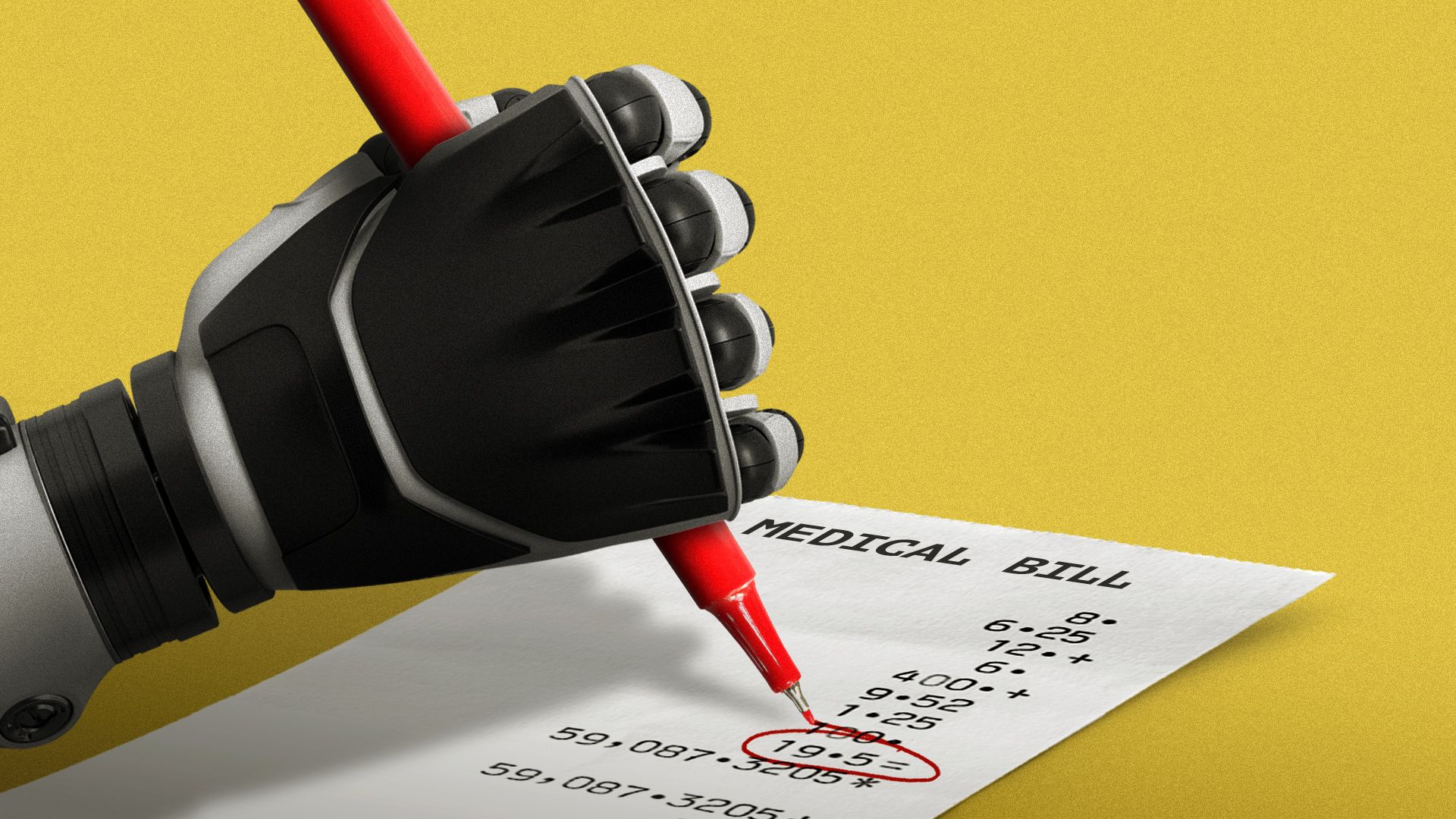
The proliferation of artificial intelligence in health care has become a key concern of employers grappling with rising costs, the Business Group on Health found.
Why it matters: AI may speed up diagnoses and improve access to better treatments. But in the short run, it's more thoroughly documenting the care that's delivered and driving up bills.
What they're saying: A strong majority (64%) of corporations the business group surveyed reported at least some impact from "AI-driven revenue optimization" and upcoding, said Kelsay, the Business Group on Health CEO.
- The trend was also observed by PwC earlier this year, which noted that higher medical spending wasn't from more people getting care but from "changes in coded severity, case mix and paid amount per claim" enabled by AI.
The bottom line: Health providers are using AI tools to get paid for more, and it's moving the needle in a big way.
3. Measles crisis deepens with first 2026 deaths


Two people in Pennsylvania have died from measles, the state's health department said yesterday, marking the first U.S. deaths this year and the state's first deaths from the illness in more than three decades.
Why it matters: The U.S. is currently experiencing its highest count of measles cases in 35 years.
Driving the news: The two people who died in Pennsylvania were unvaccinated, state health officials said.
- They lived in Lancaster County, which has seen at least 185 cases and has historically had lower vaccination rates compared with the rest of the state.
By the numbers: The CDC says there have been at least 2,777 measles cases reported in the U.S. this year.
- The caseload surpassed last year's total in July.
State of play: President Trump issued an executive order this month to split the childhood measles, mumps and rubella vaccine into three shots, delivered at separate medical visits.
4. 1 big number: AI at the doctor's office

More than 7 in 10 Americans (72%) say it's extremely or very important that a doctor or other clinician tells them if they're using AI when providing care, according to a new Pew Research Center survey.
Why it matters: There's growing debate over when health professionals should obtain patients' consent before using AI, with some states already requiring it for diagnoses or treatment.
Driving the news: About 8 in 10 U.S. adults want a provider or their office to notify them if AI is helping make medical decisions or otherwise directly affecting their care, including analyzing medical scans or diagnosing conditions.
- But strong majorities also want transparency even if the technology is being used for administrative tasks, like taking notes on patient-doctor conversations or ordering prescription refills from a pharmacy.
Federal data shows about 7 in 10 hospitals used predictive AI as part of their electronic health records in 2024.
- Adoption by physicians is growing as confidence builds in the technology's clinical advantages, per the American Medical Association.
The survey of 3,488 U.S. adults was conducted June 22–28.
5. Catch up quick
🧠 The prevalence of chronic traumatic encephalopathy among retired NFL players is at least 25% and likely higher, a study of hundreds of cases found. (NYT)
🏥 The Trump administration's proposed $103,265 fee for H-1B visas could strain hospital recruitment. (Becker's)
🌴 Florida, hit hard by a drop-off in Affordable Care Act enrollment, is feeling the squeeze of rising health care costs. (AP)
Thanks for reading Axios Vitals, and to editors Adriel Bettelheim and David Nather and copy editor Matt Piper. Please ask your friends and colleagues to sign up.