Axios Vitals

March 19, 2026



Good morning, Vitals crew. Today's newsletter is 912 words, a 3.5-minute read.
1 big thing: Abortion pill bill puts GOP in a bind
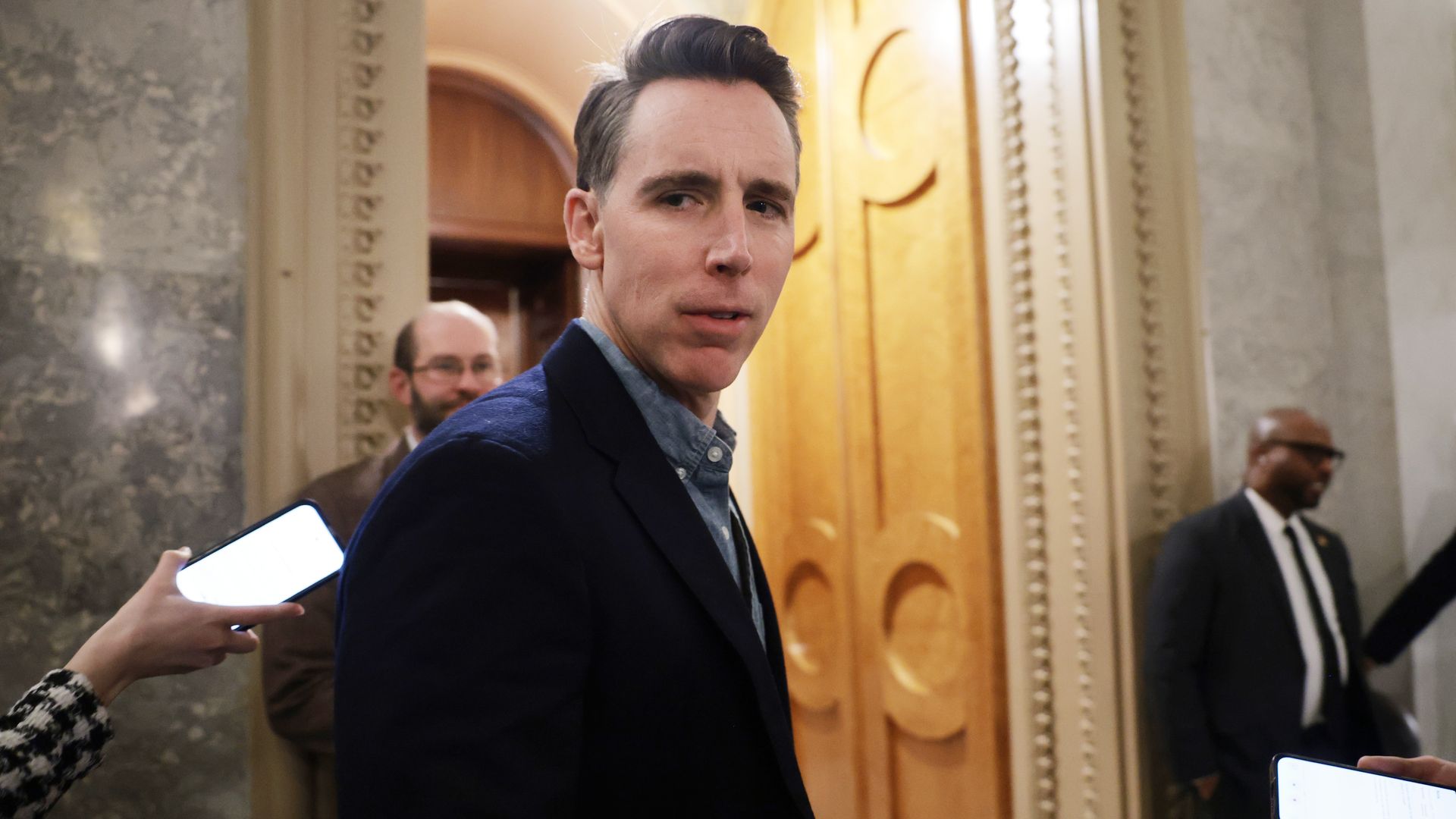
Sen. Josh Hawley's push for a vote in Congress to ban the abortion drug mifepristone is elevating an issue that many Republicans were hoping not to address before the midterm elections.
Why it matters: Lawmakers and the White House face internal tensions over how far to go in limiting access to the procedure and risking blowback from women and swing voters.
Driving the news: Hawley (R-Mo.) introduced his bill last week alongside leaders in the anti-abortion movement.
- It was a sign of frustration with the pace of an FDA investigation into the safety of the pills that Hawley helped spur last year.
- His bill also comes as anti-abortion advocates are showing increased impatience with the Trump administration for not taking faster action against the pills and for defending mifepristone against red state lawsuits.
What they're saying: Susan B. Anthony Pro-Life America president Marjorie Dannenfelser issued a statement last week calling it a "slap in the face" and "a disgrace" that the Trump administration is defending against the lawsuits in court.
- The Department of Justice is not defending the cases on the merits but has called for courts to stay proceedings until the FDA completes its ongoing safety review.
Any new federal limits on the availability of the widely used pills would be highly controversial and portrayed by opponents as backtracking on President Trump's leave-it-to-the-states 2024 campaign pledge.
Between the lines: While Hawley's bill won't get Democratic votes needed to advance in the Senate, it's roiling the waters within the GOP caucus.
- Sen. John Cornyn (R-Texas), locked in a tough primary, quickly endorsed the legislation.
- Senate health committee Chair Bill Cassidy (R-La.), who's also facing a primary challenge, held a hearing in January on what he termed the dangers of mifepristone but hasn't said whether his panel will take up Hawley's bill.
2. Axios-Ipsos poll: Cost not depressing GLP-1 use

Use of prescription weight-loss drugs like Wegovy and Mounjaro may be reaching new highs, but most Americans who haven't tried yet say they're not very interested and aren't being held back by the cost.
Why it matters: New pricing deals and aggressive marketing will only go so far if the majority of the public is convinced it can manage its weight, is worried about side effects or is just not interested in shedding pounds.
By the numbers: Nearly 1 in 5 Americans say they or someone in their immediate circle has taken weight-loss drugs in the last three months, according to the Axios-Ipsos American Health Index survey of 1,225 adults conducted March 6-9.
- Millions more remain interested: Of those who haven't tried, 15% say they're interested in a weight-loss injection and 21% in a pill.
- The new Wegovy pill is still relatively unknown, with 39% saying they're very or somewhat familiar.
Yes, but: Just 16% of those not very or not at all interested cited the expense as the reason.
- That's significant, with insurance coverage of GLP-1s still spotty and list prices for the most popular drugs exceeding $1,000 a month. Many people are making cash purchases for less.
The Axios-Ipsos survey found obesity remains the top U.S. health threat, as it has since late 2024, ahead of mental health issues, opioids and fentanyl, and cancer.
3. Psychedelics show no edge vs. antidepressants
Psychedelic-assisted therapy may be no more effective at treating depression than traditional antidepressants, according to a new review published in JAMA Psychiatry.
Why it matters: The findings may temper enthusiasm around psychedelic treatments for mental health concerns, which have been championed by Health Secretary Robert F. Kennedy Jr.
- Kennedy told a House hearing last summer the administration was working to green-light treatments within a year.
What they found: Researchers analyzed 24 trials that tested the effectiveness of either traditional medication or psychedelic-assisted therapy for depression.
- Both treatments decreased depression by about 12 points on a standard scale.
Between the lines: Psychedelics are difficult to test against a placebo, because participants would likely know if they received a hallucinogen because of its potent effects.
- For that reason, their performance was compared with "open label" antidepressant trials, in which patients knew they were getting medication.
The big picture: "Psychedelics may still be a valuable treatment option," said lead researcher Balazs Szigeti, a clinical data scientist at University of California San Francisco.
- "But if we want to understand their true benefits, we have to compare them fairly — and when we do that, the advantage over standard antidepressants is much smaller than many people, including myself, expected."
4. Quote du jour
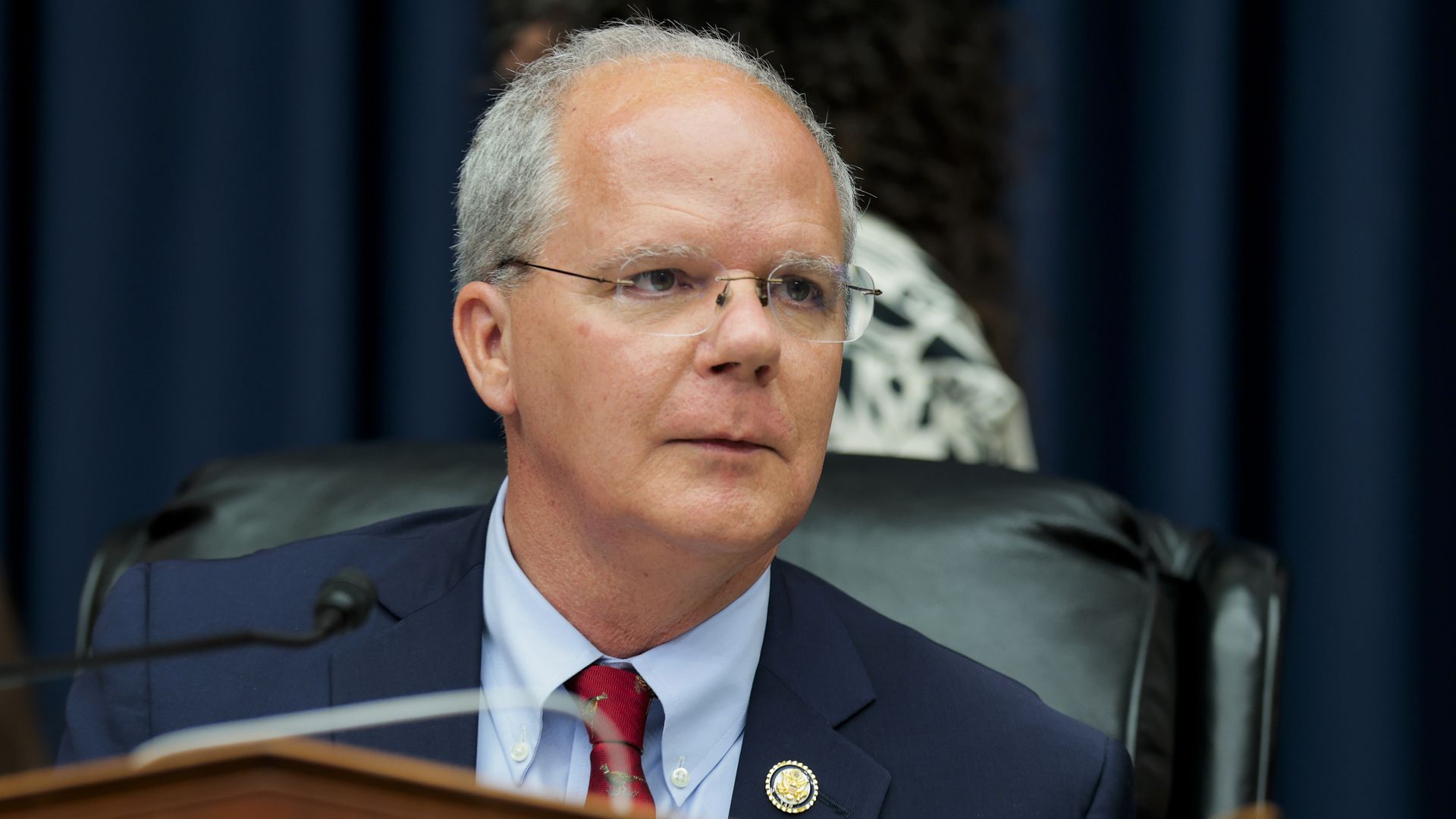
"The provider, who could have called us because they obviously knew who we were because they turned us in to a debt collector, didn't even reach out. Fortunately, not many of my constituents can do this, I have the CEO's cell number."— House Energy and Commerce Chair Brett Guthrie (R-Ky.) at a Wednesday hearing, recalling how an unnamed hospital referred him and his wife to a debt collector after his wife slipped on ice and had to get emergency care.
5. Catch up quick
🧾 A Texas couple is getting rich off out-of-network medical bills thanks to a federal law designed to protect patients. (Stat)
💊 Trump promised the world's lowest drug prices, but a gap persists with Europe, and the reality doesn't match his hyperbole. (NYT)
🔭 Health insurers' credit outlook for the year remains negative as medical costs continue to rise, according to Moody's. (Fierce Healthcare)
Thanks for reading Axios Vitals, and to editors Adriel Bettelheim and David Nather and copy editor Matt Piper. Please ask your friends and colleagues to sign up.
Sign up for Axios Vitals