Axios Vitals

July 16, 2026



Here's to Thursday! Today's newsletter is 708 words, a 2.5-minute read.
1 big thing: CVS wants to be an AI-driven health guide
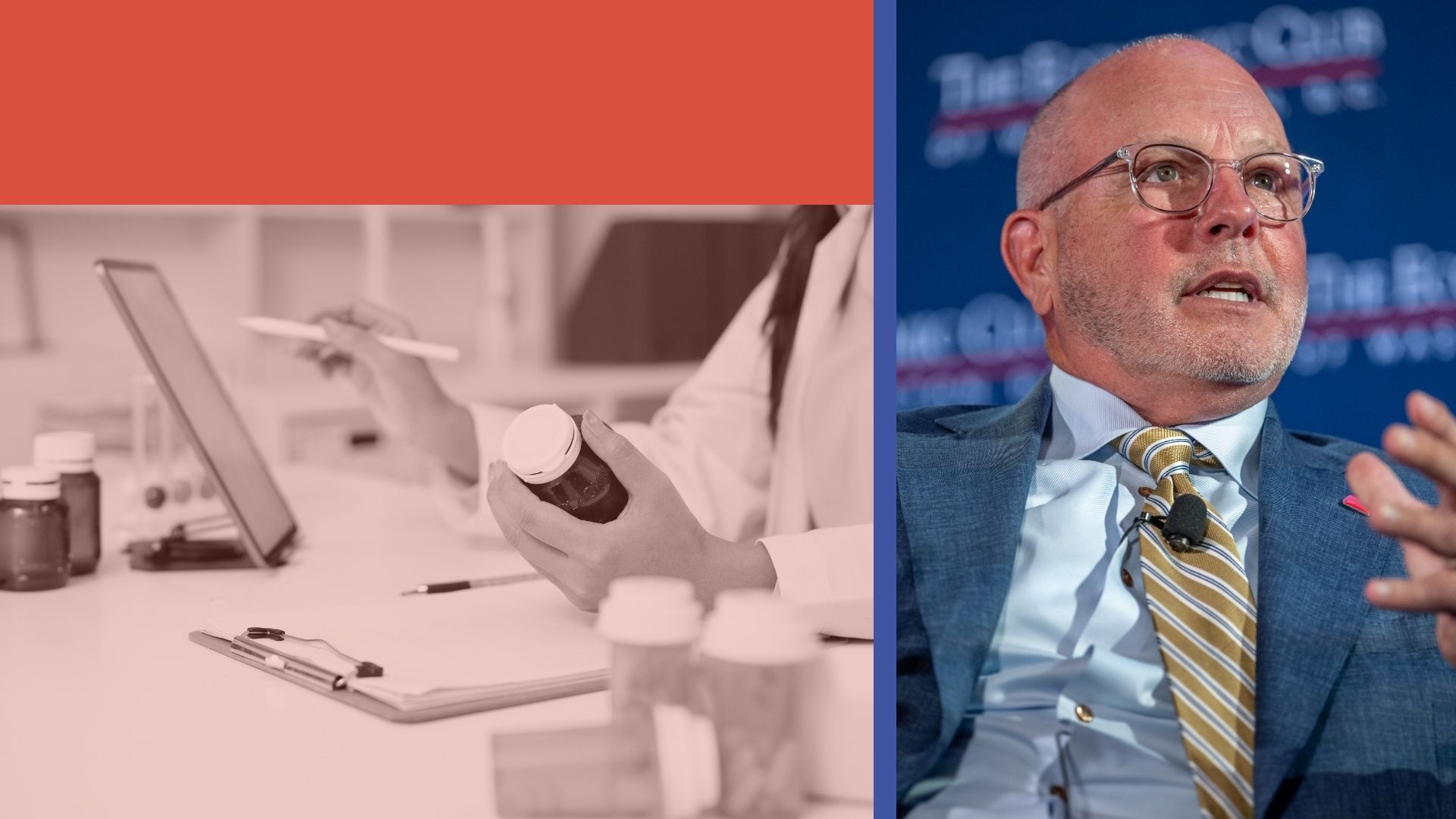
CVS Health is betting it can drive customer engagement with an AI assistant it developed with Google to help schedule checkups, fill prescriptions and check what insurance covers.
Why it matters: As the biggest names in health care rush to build AI agents to serve as trusted guides to an increasingly fragmented system, CEO David Joyner is betting the new Health100 platform can become the industry standard, regardless of where people get their care.
State of play: The tool is part of an extensive turnaround the health care giant has launched under Joyner. He's gained attention for shoring up the finances of CVS' insurance arm Aetna by exiting Affordable Care Act marketplaces and rebuilding its leadership team.
- Behind the scenes, the company over the past 18 months overhauled the digital infrastructure connecting its insurance, pharmacy and providers to lay the groundwork for Health100, Joyner told Axios.
- Federal rules are making it easier to share medical data, fundamentally changing how consumers navigate the health care system and helping different systems talk to each other, he said.
- "Interoperability is not that far away," he said.
What we're hearing: Joyner told Axios the company will evaluate its ability to be a 24/7 health care partner with a small test group of customers before expanding access later this year.
- The platform uses Google Cloud's AI to link existing apps and offer an agent to help with patient-specific tasks.
- "It's always on, and as it learns more about the person and is grabbing all the data across the system, [patients get] their own personal health record with an agent that sits on top of it helping them make sense of it all," Joyner said.
- A diabetic patient could get a notification that their blood sugar is trending higher, receive a reminder to refill their insulin before leaving town, schedule an overdue eye exam and get alerted about a lower-cost medicine.
2. Fraud high among GOP voters' health concerns

Though health costs remain voters' top worry ahead of the midterm elections, most Republicans say it's extremely important for candidates to address fraud in government health programs, according to a new KFF tracking poll.
Why it matters: The Trump administration has made health care a key focus of its crackdown on fraud and attributes this year's sharp drop in ACA enrollment to its efforts, rather than the expiration of enhanced subsidies.
What they found: There are sharp partisan divisions over the extent of fraud in federal health programs, with Republicans far likelier to say there is a lot of fraud than Democrats or independents.
- Voters across partisan lines are likelier to blame fraud in Medicaid and Medicare primarily on health care providers, not patients, though about 3 in 10 aren't sure who's most responsible.
- When asked to choose, most voters (71%) say getting Medicaid beneficiaries access to needed care should be a higher priority than reducing fraud, even if it means some fraud may occur. GOP voters are closely split, with 52% saying access to care should be the priority.
Large majorities of Democratic (89%) and independent (70%) voters also say the administration's recent practice of holding up federal Medicaid payments to mostly Democratic states as part of the fraud crackdown is politically motivated.
- But almost 7 in 10 Republicans say it is mostly driven by a desire to protect Medicaid.
The poll of 1,321 adults, including 1,055 voters, was conducted June 25–30.
3. Quote du jour
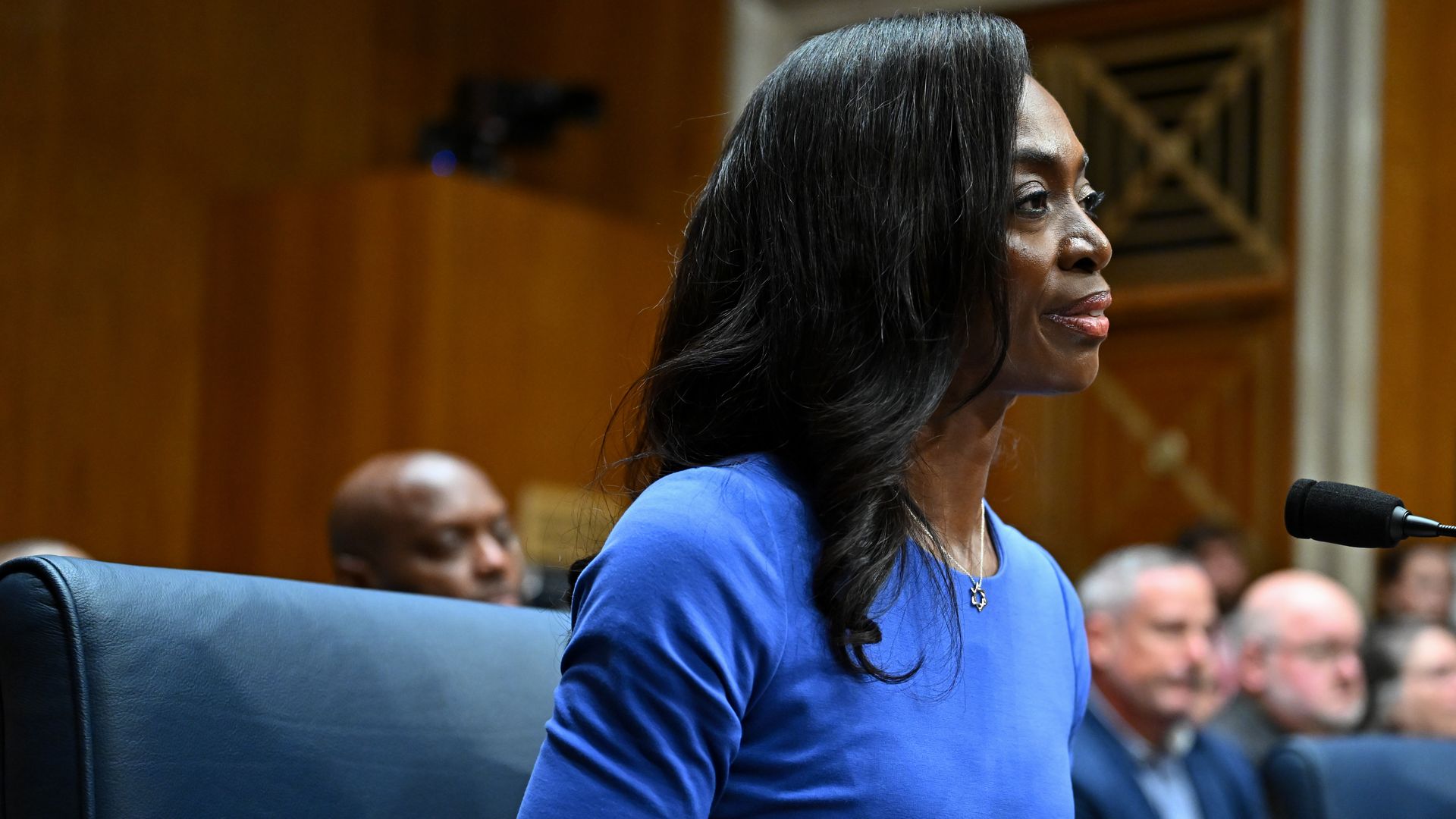
"I do not believe that the president or the secretary would ever do what you just mentioned."— CDC director nominee Erica Schwartz to Sen. Bernie Sanders (I-Vt.) at her confirmation hearing yesterday, on whether she would tell Congress if she was told to adopt "unscientific" or harmful policies.
4. Catch up quick
👀 The FDA authorized Zyn nicotine pouches without knowing what they were made of, a former agency scientist said. (Stat)
👨🏻💻 A proposal to end Medicare payments for remote patient monitoring by outside vendors could shake up technology-enabled care. (TechTarget)
🪖 The military will test the testosterone levels of some service members and recommend hormone therapy if needed, Defense Secretary Pete Hegseth said. (NBC News)
Thanks for reading Axios Vitals, and to editors Adriel Bettelheim and David Nather and copy editor Matt Piper. Please ask your friends and colleagues to sign up.
Sign up for Axios Vitals