Axios Vitals

May 04, 2026



Welcome back, gang. Today's newsletter is 1,084 words, a 4-minute read.
1 big thing: Docs want malpractice payouts capped

Rising liability insurance costs are prompting doctors to call on states to impose more limits on the damages patients can collect in malpractice cases.
Why it matters: More than half of the states have enacted malpractice payout limits, in an effort to make insurance premiums more predictable.
- But groups led by the American Medical Association say that without more relief, physicians will relocate from high-cost states, leaving patients with fewer care options.
State of play: About 40% of medical liability premiums increased from 2024 to 2025, according to an analysis the AMA released last week.
- It marked the seventh consecutive year that premiums rose, even though the share of physicians sued fell during that time, according to a separate AMA study.
- The effects were pronounced in states like New York and Pennsylvania, where more than 90% of liability premiums increased last year.
- Pennsylvania's surge comes after the state loosened the rules for bringing medical malpractice lawsuits in 2023, in response to a ruling from its supreme court.
Zoom in: Higher liability premiums typically fall on doctors in specialties like OB-GYN and general surgeons, who are sued more often.
- They are paying nearly $244,000 in Miami-Dade County, Florida, this year, compared with about $60,000 for internal medicine doctors, per AMA.
- In New Jersey, a lower-premium state, OB-GYNs pay about $94,600, while internists pay $18,410.
- The high cost of insuring OB-GYNs is factoring in maternity services closures across the country.
What they're saying: AMA President Bobby Mukkamala says the latest data should be a wake-up call to states that haven't enacted caps in response to high jury verdicts.
New Mexico overhauled its malpractice laws earlier this year, establishing a tiered system that caps punitive damages at different levels for independent physicians and clinics, locally owned hospitals and corporate health systems.
2. Abortion pill battle returns to SCOTUS
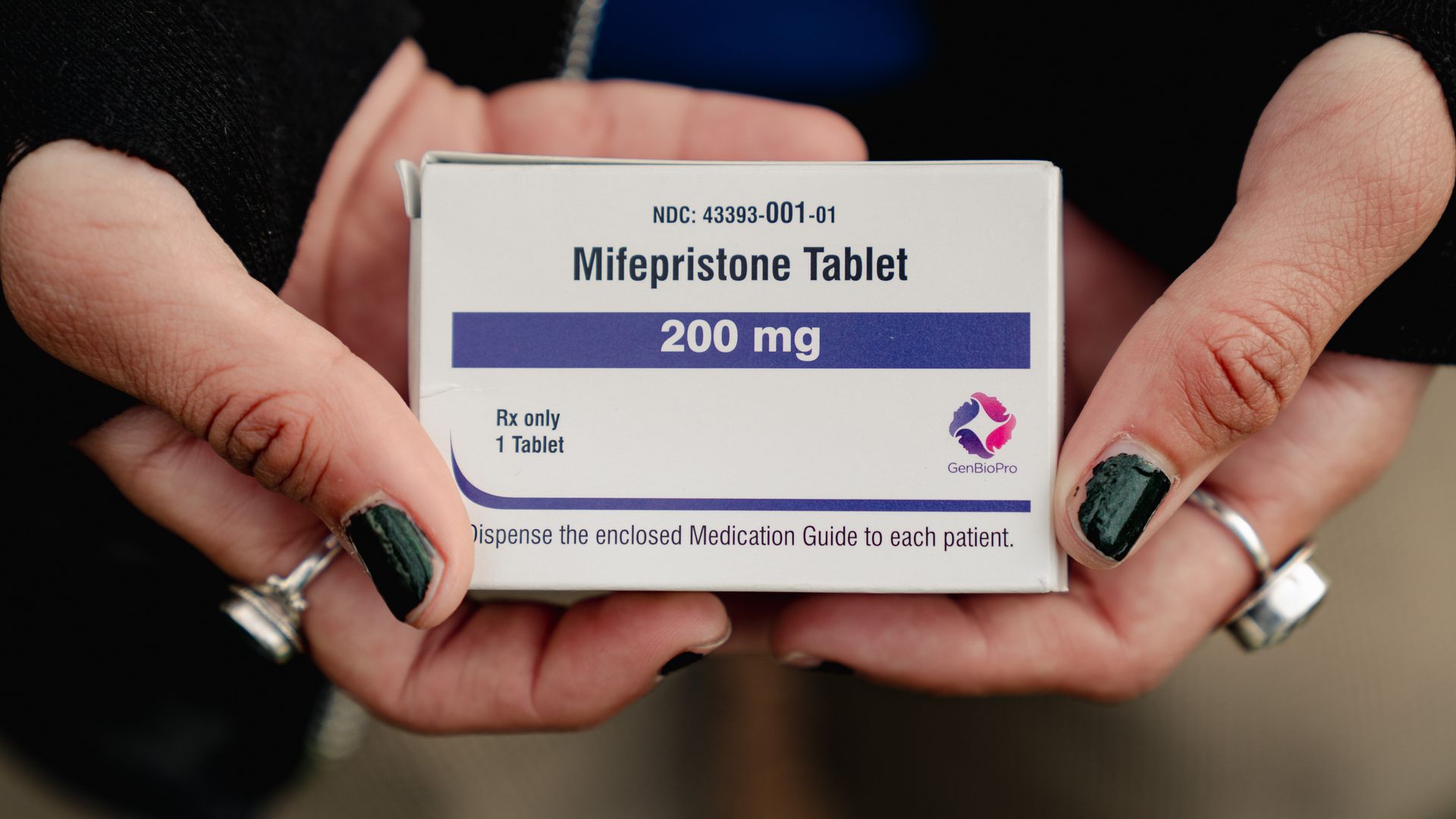
The legal battle over accessing abortion pills is returning to the Supreme Court after a panel of appeals court judges on Friday froze federal rules allowing the teleprescribing and mailing of the widely used drug mifepristone.
Why it matters: The ruling was a major win for the anti-abortion movement, which had been pressing the Trump administration to reinstate in-person dispensing requirements.
Driving the news: Danco Laboratories, the maker of mifepristone, asked the Supreme Court on Saturday to stay the decision, saying it "injects immediate confusion and upheaval into highly time-sensitive medical decisions." The maker of a generic version made a similar request.
- A 5th Circuit U.S. Court of Appeals panel on Friday sided with Louisiana in a case challenging Biden administration rules that expanded access to mifepristone.
- The state argued the federal rules undermined its laws protecting unborn human life and caused it to spend Medicaid funds on emergency care for women harmed by mifepristone.
- A lower court judge had ruled last month that mail-order prescriptions for mifepristone should continue while the FDA finishes a safety review of the drug.
What they're saying: Reproductive rights advocates said the appeals court ruling will force women to navigate new barriers to access the drugs, even in states where abortion is legal.
- It also puts the Trump administration in a bind after the president vowed not to block access to abortion pills on his watch.
The Supreme Court threw out a challenge to the mifepristone rules in 2024, finding that doctors who pressed the case lacked legal standing.
3. MAHA movement's limited sway

The "Make America Healthy Again" movement notched a win on pesticide regulation during last week's debate on the House farm bill, only to see the White House pull the nomination of a favored influencer for surgeon general.
Why it matters: The events showed how the movement continues to have clout on matters related to the food supply, but can be a political liability when it comes to vaccines and other public health matters.
Driving the news: MAHA-aligned House Republicans joined with Democrats to remove language in the House farm bill that critics said would have protected pesticide manufacturers, in a 280-142 vote.
Yes, but: Soon after, the White House pulled the stalled nomination of nutrition influencer Casey Means for surgeon general and replaced her with former Fox News medical contributor Nicole Saphier.
- President Trump and Health Secretary Robert F. Kennedy Jr. blamed Senate health committee Chair Bill Cassidy (R-La.) for standing in Means' way. But the Wall Street Journal reported White House staff didn't initially press hard for Means, and that the nomination stoked GOP skepticism of MAHA.
- In a private call, Sen. Lisa Murkowski (R-Alaska) asked Means whether she had vaccinated her infant son, the WSJ reported.
4. PAs to sue over federal student loan changes

The trade group for physician assistants says it plans to go to court over a Trump administration policy that excludes PAs, nurse practitioners and certain other health professionals from more generous federal student loan caps.
Why it matters: AAPA says the new rule is already causing confusion and leading some students to question whether they can pursue their degrees.
State of play: The Education Department policy finalized last week carries out changes in last year's sweeping GOP tax-and-spending law that put a lifetime limit on student loan borrowing.
- The cap is $200,000 per student in degree programs considered professional, but $100,000 for other graduate programs.
- The Education Department counts physician, chiropractor and clinical psychology programs as professional, but excludes other health worker categories.
Students and providers urged the administration to reconsider the stance prior to finalizing it.
- But the department wrote last week that it disagreed with those who said its definition of professional programs was too narrow.
- It said the new policy should drive down the cost of graduate programs.
What they're saying: "This policy will cause immediate, irreparable harm to PA students and the future of the PA workforce at a time when our health care system cannot meet the needs of patients," AAPA president Todd Pickard said in a statement.
- Trade associations for nurse practitioners and physical therapists also slammed the rule.
5. While you were weekending

☂ Cigna is leaving Affordable Care Act exchanges by year's end, sending 369,000 Americans in 11 states searching for new coverage. (Healthcare Dive)
📉 Insurers and analysts are estimating declines of about 20% in ACA coverage since Congress refused to extend enhanced subsidies last year. (NYT)
💵 The administration froze an additional $91 million in Medicaid funding to Minnesota, citing concerns about fraud in state-run programs. (AP)
Thanks for reading Axios Vitals, and to editors Adriel Bettelheim and David Nather and copy editor Matt Piper. Please ask your friends and colleagues to sign up.
Sign up for Axios Vitals