Axios Vitals

April 29, 2026



Halfway, gang. Today's newsletter is 857 words, a 3.5-minute read.
1 big thing: A generic drug labeling fight at SCOTUS
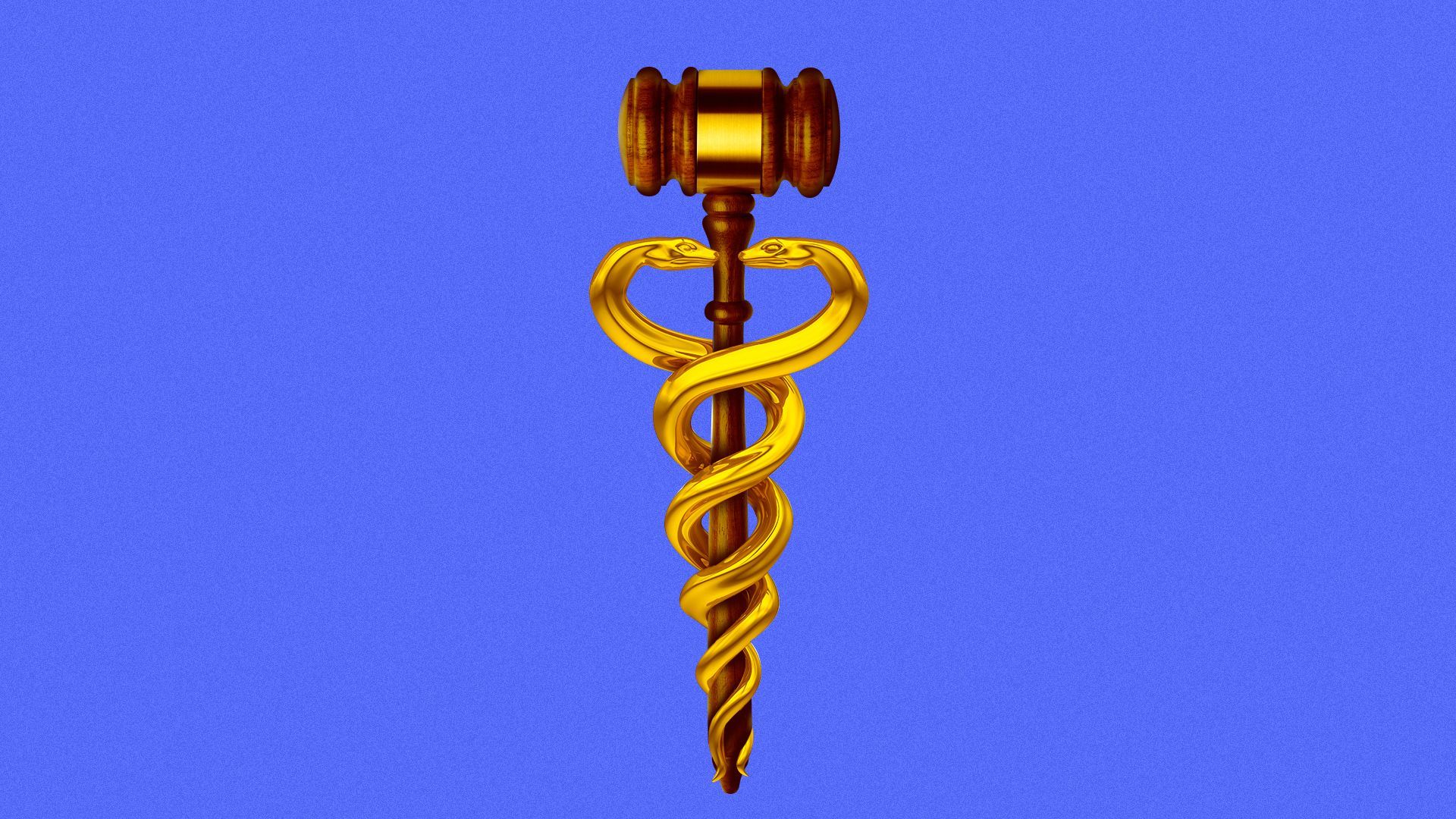
Supreme Court justices today will hear arguments in a patent case that could change the way generic drug companies market and label copycat products.
Why it matters: At the heart of the case is whether efforts to lower health costs through generic competition are undercutting patent protections that brand-name drugmakers say are essential for innovation.
- It also exposes gray areas in the Hatch-Waxman Act, the Reagan-era law that lets drugmakers get approval to sell a generic for certain uses — called a "skinny label" — before all of the brand-name drug's patents expire.
Driving the news: Amarin Pharma is arguing that its patents were infringed when generic drugmaker Hikma Pharmaceuticals made a copycat version of a heart drug derived from fish oil and promoted it through press releases and marketing materials for a use still protected by patents.
- Justices will decide whether a drug labeled only for non-patented uses can still infringe on patents if the manufacturer induces doctors to prescribe it.
- An appeals court in 2024 found Amarin's allegations sufficient to make an infringement claim.
Between the lines: Legal experts say the case could clarify how far generics can go in marketing their products, and lay out what kind of evidence a brand-name drugmaker needs to demonstrate that a generic company actively encouraged doctors to prescribe a drug in a patented way.
What they're saying: In legal filings, Amarin said it hasn't sued other generic companies but believes Hikma went further than the skinny label allows.
- A ruling that takes an "overly broad view" on induced patent infringement could make it too legally risky for generic drugmakers to enter certain markets, said John Murphy, CEO of the Association for Accessible Medicines, the generic drug lobby.
2. FDA to use AI to track clinical trials

The FDA yesterday kicked off an effort to use AI and other data science tools to monitor clinical trials in real time and cut down review times for new drugs.
Why it matters: Agency leaders portrayed the move as a major step toward keeping U.S. biomedical research competitive against countries like China.
Driving the news: The agency announced the launch of two "proof of concept" real-time trials to view safety and efficacy signals for an AstraZeneca drug used to treat lymphoma and an Amgen drug for small cell lung carcinoma.
- It also solicited public comments for a broader pilot program for real-time trials that could launch this summer.
- The process could circumvent what officials call a bottleneck in drug development, in which results from trial sites are reported to manufacturers, who then analyze and submit data to the FDA.
What they're saying: "Today is a milestone day for us to challenge the assumption that it takes 10 to 12 years for a new drug to come to market," FDA commissioner Marty Makary told reporters.
- On average, 45% of the time between a Phase 1 clinical trial and submission of an application to the FDA is "dead time" spent on paperwork and other administrative tasks, he said.
3. COVID origins debate revived with indictment
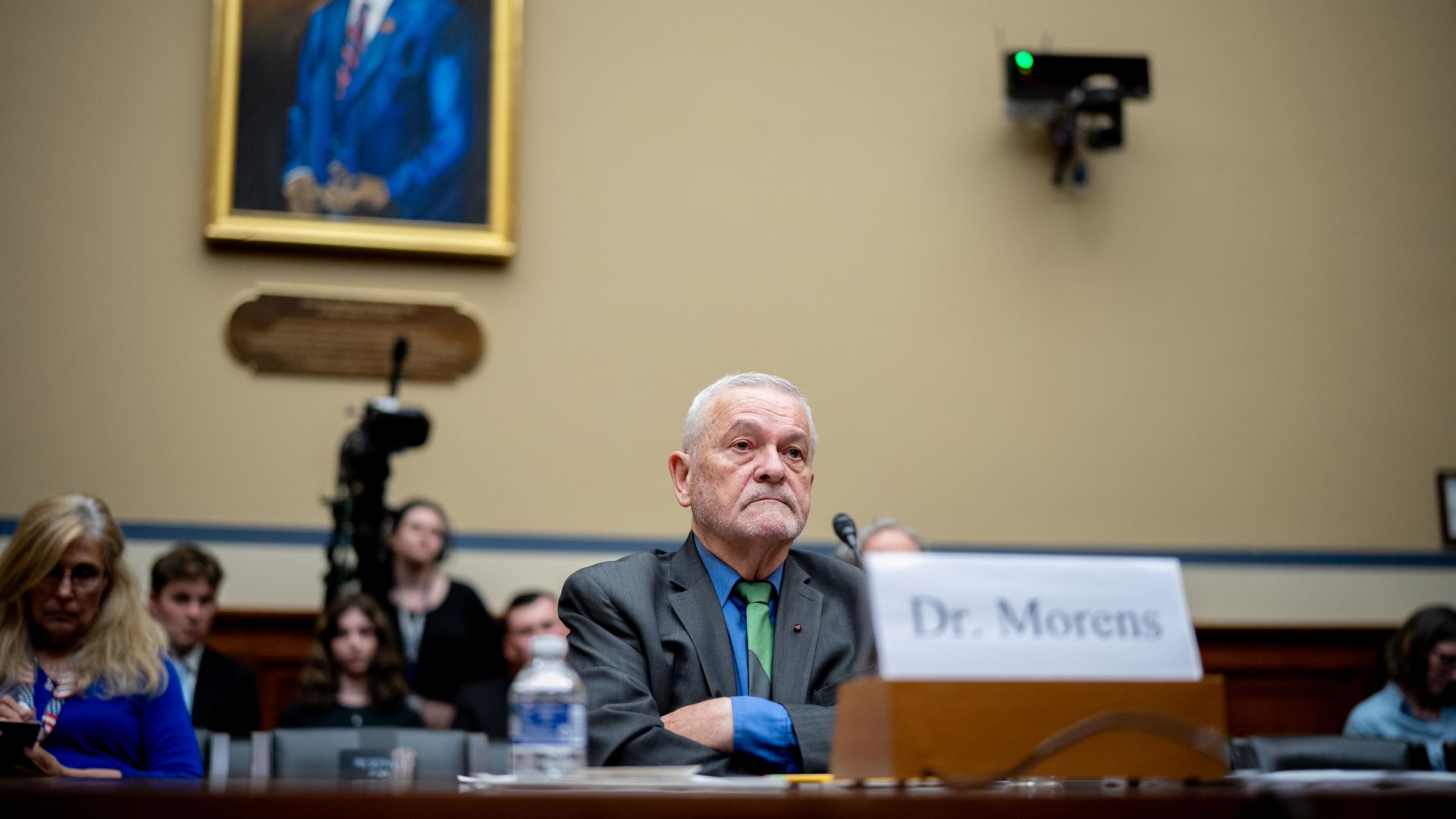
The Trump administration is reviving charges that federal officials covered up the origins of COVID-19 by indicting a former top adviser to Anthony Fauci.
Why it matters: The indictment could buttress the administration's arguments for overhauling federal health agencies and make the pandemic response a GOP talking point ahead of the midterms.
Driving the news: The Justice Department charged David Morens, a former senior adviser at the National Institute of Allergy and Infectious Diseases, with conspiracy and other charges related to tampering with federal records.
- Morens allegedly hid records related to COVID-19 and research on the origins of the virus by deleting emails on his government account and directing communications to his personal account instead.
- Morens could face time in prison if he's convicted. He did not respond to a request for comment.
- The case was unsealed Monday. It's assigned to Judge Paula Xinis, an Obama appointee, in the U.S. District Court for the District of Maryland.
Morens' activity was brought to light in a 2024 congressional investigation that made public emails in which he discussed ways to evade the Freedom of Information Act requests for federal documents and official communications.
4. Quote du jour
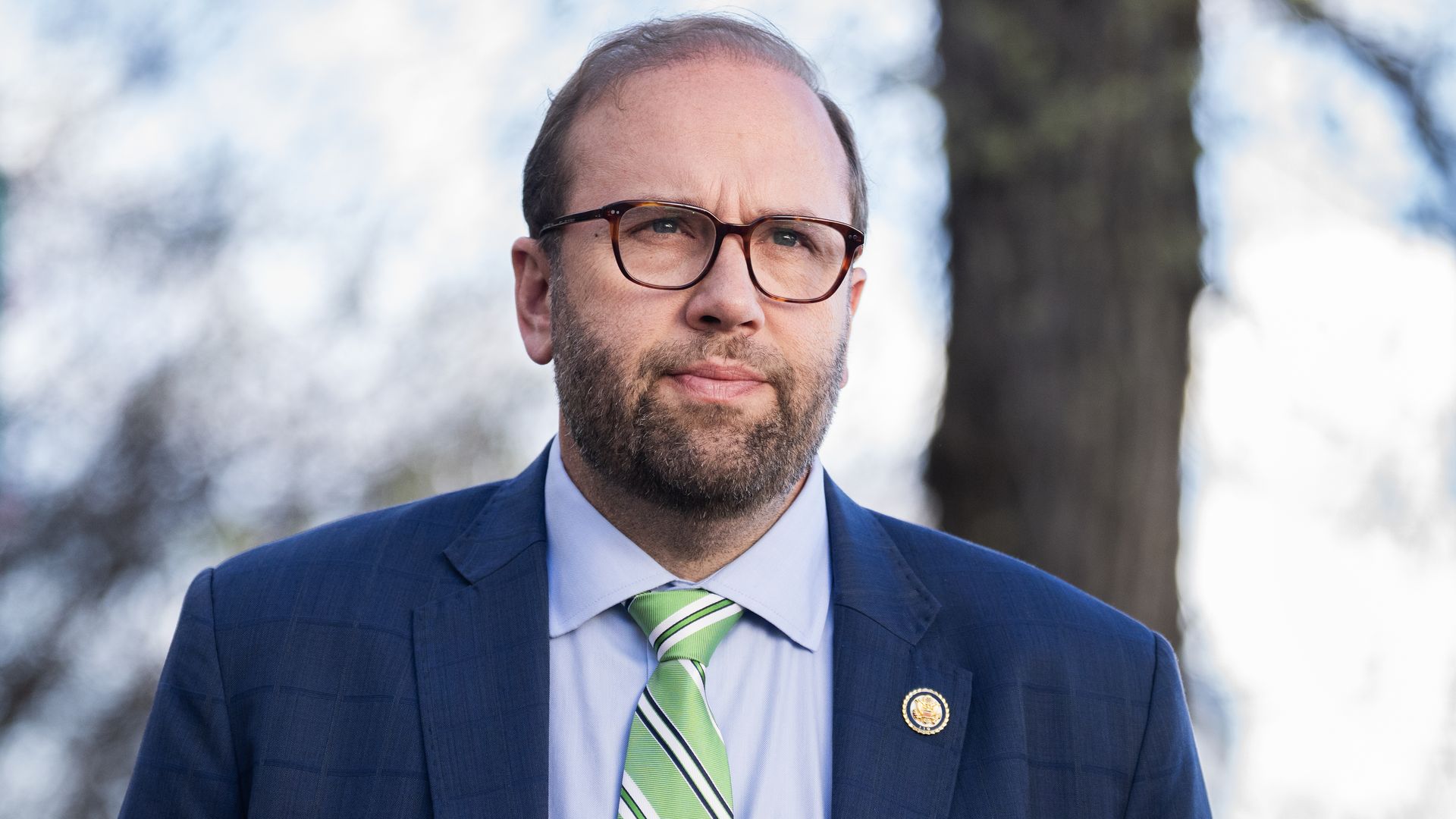
"Simply put, hospitals are charging an insane amount for care. ... Every time we try to advance these so-called site-neutral policies, big hospitals, they fight us. They fight us tooth and nail."— House Ways and Means Committee Chair Jason Smith (R-Mo.) at a hearing yesterday on hospital costs, referring to a proposal to change the way Medicare pays the facilities.
5. Catch up quick
💉 Health Secretary Robert F. Kennedy Jr. is holding up $600 million that Congress appropriated for vaccines to pressure the international humanitarian group that distributes them. (Politico)
📈 The FDA said that "manipulated" data supported the approval of an autoimmune drug and is proposing to withdraw its marketing approval. (MedPage Today)
🤖 The nonprofit spearheaded by Mark Zuckerberg and Priscilla Chan is committing $500 million to help create better AI simulations of the human body. (Axios)
Thanks for reading Axios Vitals, and to editors Adriel Bettelheim and David Nather and copy editor Matt Piper. Please ask your friends and colleagues to sign up.
Sign up for Axios Vitals