Axios Vitals

April 07, 2026



Hello, Tuesday! Today's newsletter is 818 words, a 3-minute read.
1 big thing: Private Medicare plans get a break

After saying it wanted to keep federal payments to private Medicare plans roughly flat next year, the Trump administration reversed course yesterday and gave the insurers a $13 billion pay bump.
Why it matters: The average 2.48% pay increase for 2027 was on the high end of analysts' expectations and marked a win for UnitedHealthcare, Humana and other Medicare Advantage plans, whose stocks tumbled after the administration's initial proposal in January.
- The plans will instead see an average increase of nearly 5% when payments are adjusted to reflect how sick enrollees appear, Medicare officials said.
- The administration was swamped by tens of thousands of comments after the initial proposal of less than a 0.1% increase for 2027.
Driving the news: The pay increase reflects higher health cost growth in traditional Medicare that became apparent after additional data from the end of 2025 was crunched.
- CMS also dropped a proposal to update payments to plans based on the health status and demographics of enrollees, which insurers said would have disrupted their ability to care for seniors.
- Medicare officials said that it makes sense to give insurers more time to absorb prior "risk adjustment" updates.
The administration is moving forward with a plan to prevent insurers from adding diagnoses after reviewing patients' medical records — a move that addresses coding practices that have received scrutiny and is expected to save nearly $7 billion next year.
What they're saying: Some Medicare providers said the pay boost still doesn't reflect economic realities, at a time when the cost of drugs, supplies and more patient visits is stoking medical inflation.
- "When payments fail to keep pace with care delivery costs, the consequences are predictable," said Jerry Penso, president of medical group association AMGA.
2. First ARPA-H project yields arthritis therapies
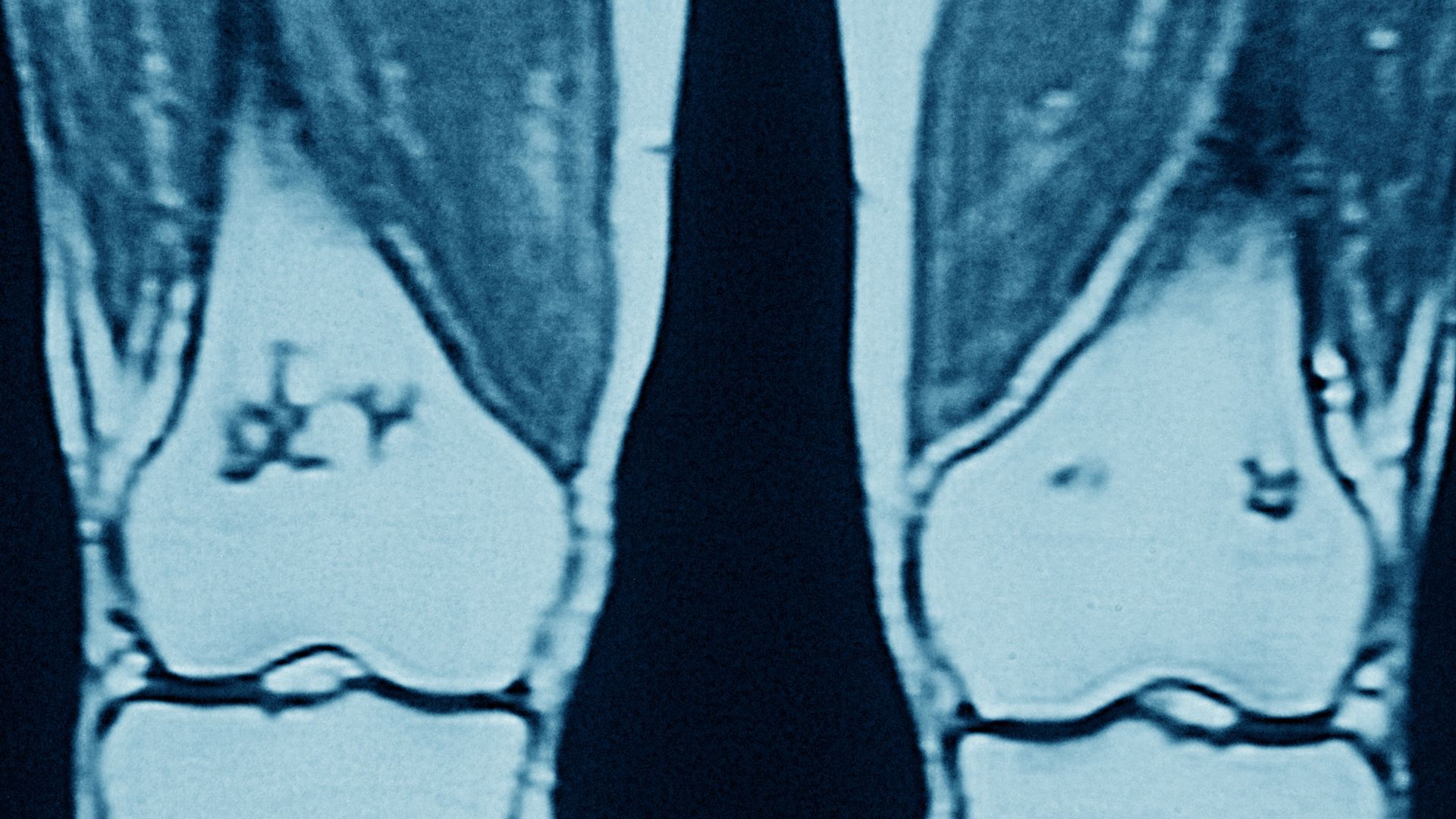
ARPA-H, the $1.5 billion federal agency founded in 2022 to look for breakthrough cures, said yesterday that its first research initiative hit milestones testing new treatments that prompt aging or damaged joints to repair themselves.
Why it matters: Tissue regeneration could go a long way toward eradicating osteoarthritis, which affects 32 million Americans a year and is estimated to cost the health system more than $132 billion annually.
Driving the news: Federal officials said on Monday that their program, called NITRO, regenerated both cartilage and bone in animals.
- Teams at Duke University, the University of Colorado Boulder and Columbia University are now completing studies that the FDA requires to begin human clinical trials next year.
- The Columbia researchers engineered a living, 3D-printed human knee on a scaffold that's infused with adult stem cells, in a bid to regenerate the joint's natural cartilage and bone tissues as the scaffold biodegrades.
How it works: ARPA-H was a pet project of former President Biden and modeled after DARPA, the Pentagon's research arm.
- The agency, which resides within HHS, challenged research teams to fast-track therapies that could be pushed through trials and then commercialized.
- The program requires more than 50% of trial participants to be women and to reflect the populations most affected by osteoarthritis, including American Indian and Alaska Native communities.
3. Medicaid expansion boosted opioid treatment

State Medicaid expansions from 2017 to 2023 increased access to medication treatment for opioid use disorder at a time when fatal overdoses were continuing to climb, researchers wrote in JAMA Network Open.
Why it matters: Medicaid plays an outsized role in the opioid crisis because people with opioid use disorder are disproportionately low-income adults. That means coverage expansions can significantly affect uptake of addiction medicine like buprenorphine.
What they found: States that recently expanded their Medicaid programs saw a 14.7% increase in the rate of patients receiving buprenorphine treatment per capita, researchers found.
- Maine, Virginia and Oklahoma posted the biggest gains.
- The expanded treatment also hinges on state policies, such as streamlined prior authorization, telehealth support, and expanded prescribing authority.
What's ahead: The findings could be important for state governments wrestling with reductions in federal Medicaid spending, said lead author Nicole Siegal, a postdoctoral research fellow at the O'Neill School of Public and Environmental Affairs at Indiana University.
4. Quote du jour
"The belief is that they'll be discharged from the hospital and in two or three weeks they'll be back to normal. That doesn't comport with reality."— University of Pittsburgh critical care doctor Brad Butcher to the New York Times on how more than half of Americans in intensive care suffer physical or psychological aftereffects, forcing a reckoning for hospitals.
5. Catch up quick
📆 A four-month delay to an FDA meeting to discuss clinical trials forced a small biotech company to close its doors. (Stat)
🔬Microplastics are everywhere — even in the labs studying their health effects. That's a problem for research. (LA Times)
🌮 A quiet change to corn tortillas could help prevent serious birth defects that disproportionately affect Hispanic infants. (Axios)
Thanks for reading Axios Vitals, and to editors Adriel Bettelheim and David Nather and copy editor Matt Piper. Please ask your friends and colleagues to sign up.
Sign up for Axios Vitals