Axios Vitals

March 11, 2026



Good morning, Vitals gang. Today's newsletter is 891 words, a 3.5-minute read.
1 big thing: Providerless plans could reshape ACA

The Trump administration is planning something new for people shopping on Affordable Care Act marketplaces next year: health plans without a list of in-network doctors and hospitals.
Why it matters: The "non-network" plans could inject a dose of long-sought innovation into health care pricing. But they also could expose patients to more surprise bills and further destabilize ACA markets, policy experts warn.
- The proposal is landing amid upheaval in the ACA marketplace: Enhanced premium subsidies have expired, and the Trump administration is promoting high-deductible Obamacare plans.
State of play: Last month, Trump health officials proposed allowing the sale of plans that don't contract with providers on the ACA exchanges.
- Insurers in these arrangements announce a rate they'll pay for covered services. Enrollees then have to find providers willing to accept that sum — or pay the difference out of pocket.
- The option could spur "a more competitive marketplace where providers would need to consider their pricing strategies more carefully to attract and retain patients," per the proposal.
The plans are a sharp break from the status quo, in which insurers negotiate rates in advance with a defined network of doctors and hospitals.
- The networks function as both a cost control mechanism and a consumer protection tool, ensuring patients have access to covered care.
- The Biden administration blocked non-network plans from being sold on ACA marketplaces because it didn't see a way to ensure they offered necessary consumer protections, said Ellen Montz, who led marketplace regulation and is now a managing director at Manatt Health.
Where it stands: The Trump administration now says that the plans could meet ACA requirements as long as they ensure adequate access to providers.
- And they'll have low premiums that could influence how other ACA coverage is sold.
2. FDA OKs narrower use for drug touted for autism
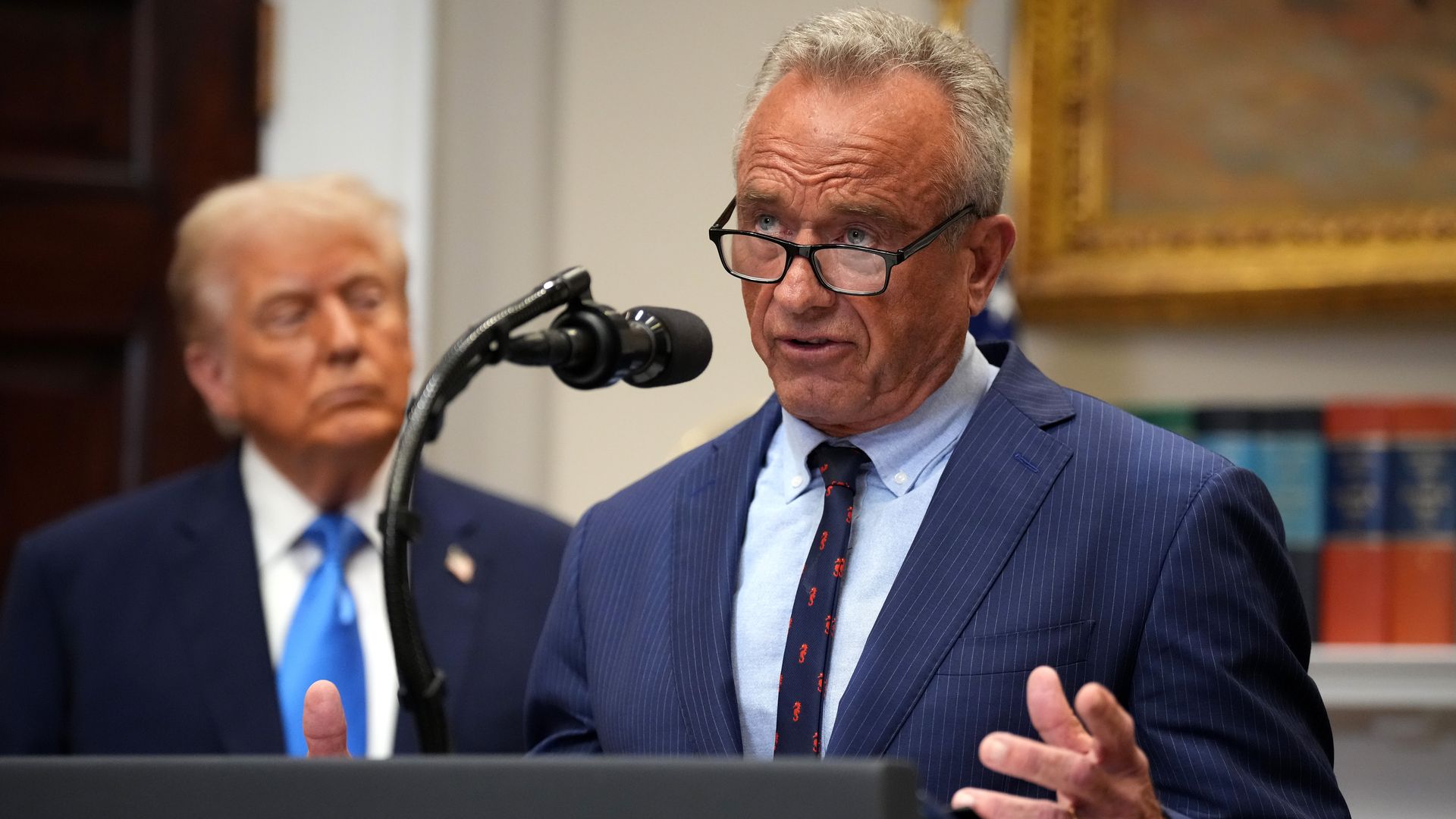
The FDA yesterday approved expanding use of the drug leucovorin for a rare neurological condition — but not as a treatment for autism symptoms, as President Trump's health officials had suggested in September.
Why it matters: The label update dials back expectations that there could be a new autism remedy after the FDA concluded there was insufficient evidence.
- Officials touted the decades-old form of the vitamin folate as a possible breakthrough for thousands of kids with autism spectrum disorder at a White House event during which President Trump also linked Tylenol use to the condition.
Driving the news: The new use is to treat cerebral folate deficiency, a condition that some people with autism also have but that is estimated to affect less than one in a million people.
- "This action may benefit some individuals with FOLR1- related cerebral folate transport deficiency who have developmental delays with autistic features," FDA commissioner Marty Makary said in a statement.
Yes, but: Though the FDA is not approving leucovorin for autism, "off-label" prescribing has surged following the White House event in September.
- A study published in The Lancet this month found a 71% increase in prescriptions after the White House briefing.
- Leucovorin has been used alongside chemotherapy treatment.
3. Aetna told to reconsider trans surgery denial


A federal judge in Connecticut ordered Aetna to reconsider its denial of facial feminization surgery for two transgender women, ruling the insurer's determination the procedure wasn't medically necessary amounted to sex discrimination.
Why it matters: The decision could provide legal grounds for more challenges to insurer policies on gender-affirming care.
Driving the news: U.S. District Court Judge Victor Bolden wrote that Aetna's decision that facial procedures as part of gender transition are cosmetic in nature violated the Affordable Care Act's nondiscrimination provisions.
- "The issue is not whether Aetna's policy exclusion prohibits this type of gender-affirming care but rather that Aetna's policy exclusion prohibits only transgender individuals, the only individuals who can experience gender dysphoria, from receiving this type of gender-affirming care," Bolden wrote.
- The court agreed with the defendants' claims they would likely experience severe harm to their mental and physical health because of the automatic denials, and that making a coverage decision based on medical necessity is in the public interest.
Most states give health plans the discretion to decide if facial feminization surgery is medically necessary. By issuing an injunction, Bolden required Aetna to make individual coverage determinations for the two individuals.
- Advocates for Trans Equality, which helped bring the case, was also involved in a 2021 complaint on behalf of four women who were denied coverage by Aetna for breast augmentation.
4. Quote du jour

"They said, 'You're in hospice.' And I said, 'What? What are you talking about? ... Are you kidding me? Do I look like I'm in hospice?'"— Lynn Ianni to CBS News, recalling how she sought physical therapy for a pickleball injury only to learn Medicare wouldn't cover it because records showed she was dying. Her number had been stolen and used to fraudulently enroll her in hospice.
5. Catch up quick
💉 The co-founders of COVID-19 vaccine developer BioNTech plan to leave the biotech to start a new mRNA-focused company. (Stat)
💸 The average senior's Medicare premiums were about 10% higher last year because of alleged overpayments to Medicare Advantage plans, congressional investigators found. (WSJ)
💊 Inflation Reduction Act provisions capping out-of-pocket prescription drug costs were linked to better medication adherence by Medicare enrollees. (MedPage Today)
Thanks for reading Axios Vitals, and to editors Adriel Bettelheim and David Nather and copy editor Matt Piper. Please ask your friends and colleagues to sign up.
Sign up for Axios Vitals